Top Landscaping Services in Sierra Madre, CA, 91024 | Compare & Call
There are 222 landscaping companies server in Sierra Madre CA
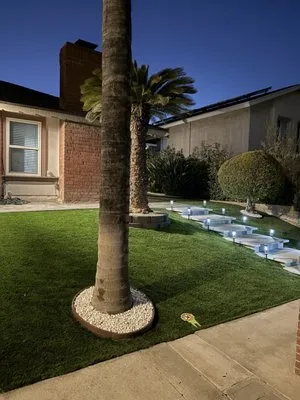
Roth Landscaping is a full-service landscaping and construction company serving Devore Heights, CA, specializing in comprehensive outdoor solutions. We handle everything from artificial turf installat...
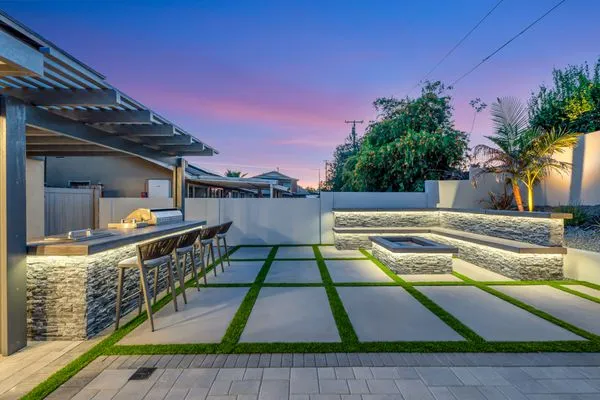
ITH Landscape is a licensed and bonded family-owned business serving West Covina and surrounding communities since 2018. With 25 years of combined experience in landscape and hardscape projects, we sp...
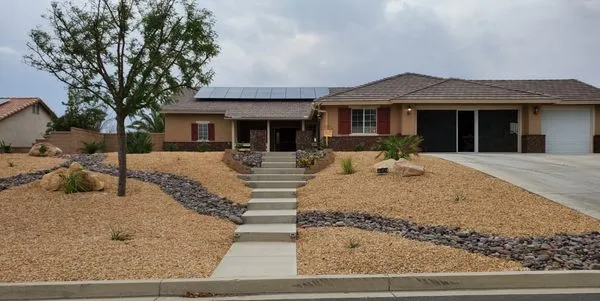
Oakes Landscape is a licensed landscaping company serving Hesperia, CA, with expertise in comprehensive outdoor design and installation. We specialize in projects like retaining walls, artificial turf...
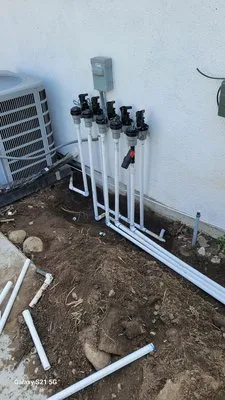
CLI Carrillo Landscaping Inc is a family-owned and operated business that has been proudly serving Montclair, the Los Angeles area, and the Inland Empire for over two decades. Led by CEO Avi C, our li...
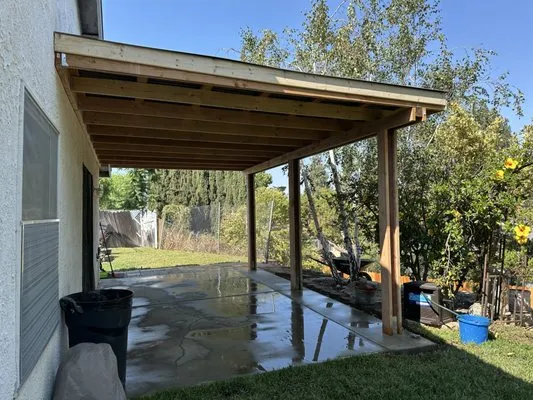
Founded by David, whose lifelong experience in tree care began working alongside his father, Clean View Tree Service and Landscaping brings a family-owned, honest approach to every job in Chino and th...
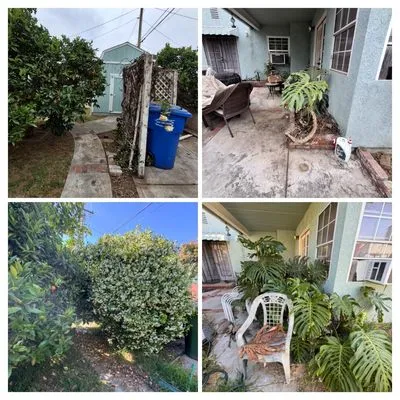
V V Greenland is a family-owned landscaping and property service company serving Perris and the Inland Empire. We are dedicated to handling projects of all sizes, from comprehensive yard transformatio...
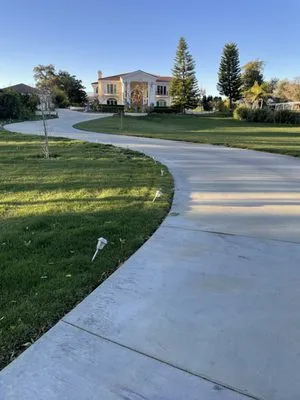
Valencia's Landcare is a trusted local landscaping and tree service provider serving Azusa, CA, and the surrounding communities. With expertise in landscape construction, irrigation systems, and ongoi...
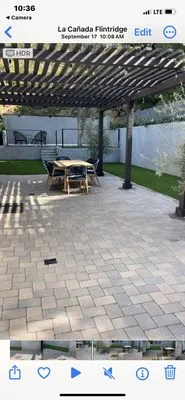
Ed's Landscaping, a family-owned and operated business serving Glendale since 1976, builds outdoor spaces designed for Southern California living. Founded by Ed, who finds joy in seeing clients happy ...
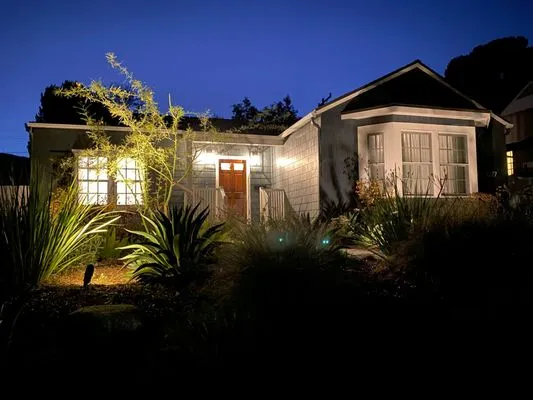
SoCal Ponds was founded in Sunland, CA, by Dominic, whose lifelong passion for water and nature began in his own backyard. At 15, he built his first pond, a spark that led him to work with landscape, ...
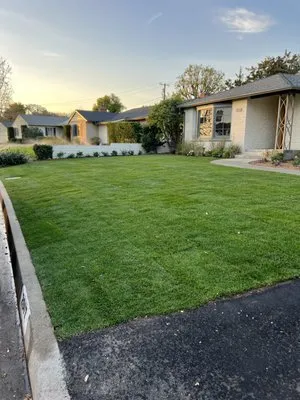
DLT Landscape & Maintenance is a trusted, family-owned landscaping company serving Altadena and the greater Pasadena area for over two decades. As a fully licensed (CA Contractor State License #109329...
Estimated Landscaping Service Costs in Sierra Madre, CA
Question Answers
Why is proper licensing so important for grading and drainage work on a standard-sized lot?
On a 0.19-acre lot, significant grading alters watersheds and structural stability, requiring a permit from Sierra Madre Planning & Community Preservation. This work must be performed by a contractor holding a C-27 Landscaping license from the California Contractors State License Board (CSLB). The CSLB license ensures expertise in soil mechanics, engineering, and compliance with state codes, protecting property value and community safety.
How can we keep a Tall Fescue lawn healthy under the city's Level 2 water restrictions?
Level 2 Conservation Mode requires precise water management. Wi-Fi ET-based weather-sensing irrigation controllers are calibrated to apply water only when evapotranspiration data indicates plant need, eliminating waste. For Dwarf Tall Fescue varieties, this means deep, infrequent watering cycles that encourage drought-tolerant root growth while staying strictly within municipal allotments, preserving turf health without overuse.
Why does the soil in our older Downtown Sierra Madre yards feel so compacted and difficult to work with?
Lots in this neighborhood, with homes averaging from 1958, have a 68-year soil maturity timeline. The underlying Rocky Loam soil profile (pH 7.2) naturally compacts over decades, exacerbated by historical construction practices and foot traffic. This compaction reduces permeability and root penetration. Core aeration and the incorporation of composted organic matter are essential to rebuild soil structure and microbial activity.
Is decomposed granite or wood a better choice for patios and paths in our fire-prone area?
Permeable decomposed granite and flagstone are superior materials for Very High Fire Wise Rating zones. Unlike combustible wood, these inorganic materials contribute to the required defensible space by not fueling flames. Their permeability also manages runoff, and they offer greater longevity with minimal maintenance, aligning with both WUI Zone compliance and sustainable landscape infrastructure principles.
What are the long-term benefits of replacing traditional lawn with native plants?
Transitioning to a palette of California Lilac, White Sage, Toyon, Coast Live Oak, and Deergrass establishes a climate-adaptive landscape. These natives require minimal irrigation, eliminate the need for gas-powered blowers (aligning with noise ordinances), and provide superior habitat value for local biodiversity. This approach significantly reduces water consumption, maintenance carbon footprint, and supports regional ecological health.
How quickly can a crew respond for an emergency storm cleanup to meet HOA compliance deadlines?
For emergency service, a crew dispatched from the Memorial Park area can typically access the I-210 corridor, arriving within the 20-30 minute peak storm response window. Our electric maintenance fleet complies with the local gas-powered blower ban, allowing for immediate, quiet operation upon arrival to clear debris and mitigate erosion hazards common on Sierra Madre's sloped lots.
Our sloped property has major runoff and erosion. What's the best solution that will also pass city inspection?
High slope runoff is a critical hazard with Rocky Loam soils. The solution integrates subsurface French drains with surface channeling using permeable materials like decomposed granite. This system increases soil percolation and meets the Sierra Madre Planning & Community Preservation Department's standards for on-site stormwater management by reducing peak flow and filtering runoff before it leaves the property.
What invasive species should we watch for, and how do we treat them safely?
Invasive alert species for this area include Fountain Grass and Spanish Broom. Manual removal is primary, with targeted, organic herbicide applications only as a last resort during approved seasons. All treatment plans must avoid nitrogen runoff to comply with the city's urban runoff prevention ordinance. Promoting dense growth of the recommended native plant list is the most effective long-term defense against invasive establishment.
