Top Landscaping Services in Shingletown, CA, 96088 | Compare & Call

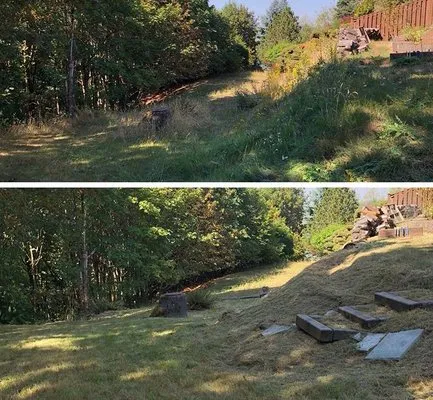
She Digs Landscape & Design is a full-service landscaping company serving Shingletown, CA, and the surrounding areas. We specialize in creating and maintaining beautiful, functional outdoor spaces tha...

Patriot Lawn & Yard is a Shingletown-based landscaping business focused on providing reliable lawn care and addressing the unique outdoor challenges faced by local homeowners. We understand that prope...
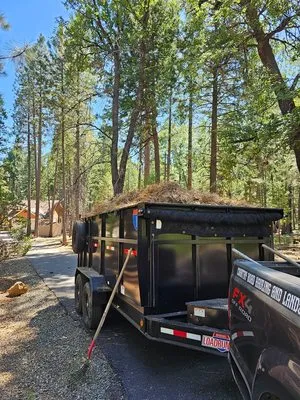
Country Road Hauling & Landscaping is your trusted local partner in Shingletown for keeping your property clean and manageable. We provide comprehensive junk removal, hauling, and landscaping waste di...
FAQs
What permits and licenses are needed for grading my property?
Grading work on 2.5-acre lots in Shingletown requires a Shasta County Department of Resource Management permit for any earth movement exceeding 50 cubic yards. Contractors must hold active CSLB A (General Engineering) or C-27 (Landscaping) licenses with specific endorsements for erosion control in volcanic soils. The permit office reviews drainage plans, fire-wise defensible space compliance, and native vegetation protection measures before approving projects that could affect subsurface water movement or slope stability.
Why does my soil seem compacted and acidic after 40 years?
Shingletown Highlands properties built around 1985 have acidic volcanic loam soil that has matured for 41 years. This soil type naturally compacts over decades, reducing pore space for root growth and water infiltration. Core aeration every 2-3 years with organic amendments like composted pine bark improves soil structure while maintaining the pH 5.8-6.5 range that native plants prefer. Without intervention, compaction limits nutrient availability and increases surface runoff during winter storms.
How do I maintain my lawn during Stage 1 water restrictions?
Wi-Fi ET-based weather sensing irrigation systems calculate evapotranspiration rates specific to Shingletown's microclimate, adjusting watering schedules daily. This technology reduces fine fescue blend turf water usage by 25-40% while maintaining plant health through precise moisture delivery. The system automatically respects municipal water limits by skipping cycles after rainfall and reducing runtime during peak evaporation hours, ensuring compliance with voluntary conservation measures.
Why does water disappear so quickly from my landscape?
Acidic volcanic loam soils in Shingletown exhibit high permeability with rapid subsurface leaching, causing irrigation water to drain too quickly for plant uptake. Installing permeable volcanic basalt hardscape creates infiltration zones that slow water movement while meeting Shasta County Department of Resource Management runoff standards. French drains with gravel layers and strategic berms redirect subsurface flow to planting areas, preventing nutrient leaching and supporting deeper root systems.
Is volcanic basalt better than wood for patio materials?
Native volcanic basalt offers superior longevity and fire resistance compared to wood decking in Extreme WUI Zone 3 fire conditions. Basalt retains minimal heat, won't combust, and provides permanent defensible space when installed with proper clearances. The material's natural permeability reduces runoff velocity during heavy precipitation events. While initial costs exceed pressure-treated lumber, basalt requires no chemical treatments, won't decay, and maintains structural integrity for decades with minimal maintenance.
How do I control invasive species without chemical runoff?
Scotch broom and yellow starthistle present the highest invasive species risk in Shingletown, particularly along CA-44 corridors. Manual removal during early flowering stages prevents seed set without violating Regional Water Quality Control Board nitrogen limits. Targeted spot treatments using organic herbicides during permitted application windows avoid groundwater contamination in highly permeable soils. Establishing competitive native groundcovers like creeping mahonia creates biological barriers against reinfestation.
What alternatives exist for high-maintenance lawn areas?
Replacing fine fescue turf with manzanita, western redbud, and mountain mahogany creates fire-resistant, low-water landscapes that require minimal maintenance. These native species establish deep root systems within 2-3 growing seasons, eliminating weekly mowing and reducing irrigation needs by 70%. Transitioning to electric maintenance equipment ahead of gas-blower restrictions reduces operational noise while supporting the region's move toward sustainable landscape management practices.
How quickly can you respond to storm damage for HOA compliance?
Emergency cleanup crews dispatch from the Lassen Volcanic National Park entrance area via CA-44, arriving at Shingletown Highlands properties within 45-60 minutes during peak storm conditions. Our electric maintenance fleet operates within the 8pm-7am noise ordinance restrictions for commercial equipment. We prioritize fallen ponderosa pine limbs and drainage system blockages that violate fire-wise defensible space requirements, documenting all work for HOA compliance reporting.
