Top Landscaping Services in Sherman Oaks, CA, 91403 | Compare & Call

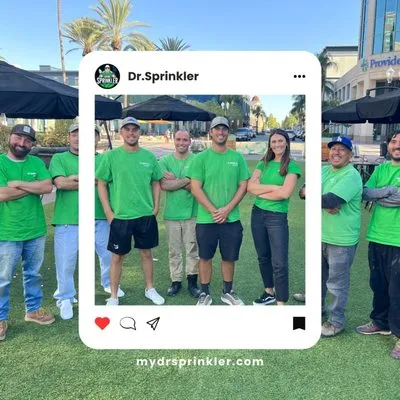
Dr Sprinkler is a family-owned irrigation and landscaping company serving Sherman Oaks and surrounding Los Angeles County areas. Founded in 2017 by Brett DeLuca, who brings expertise from his family's...
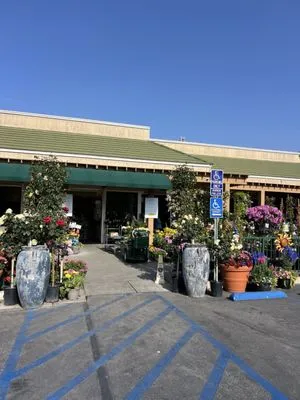
Armstrong Garden Centers
Armstrong Garden Centers in Sherman Oaks is your local, employee-owned nursery and full-service landscape provider, rooted in 130 years of California horticultural expertise. Founded by John Armstrong...
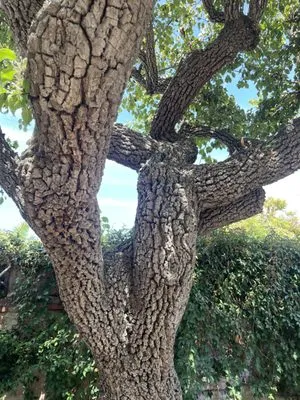
Arbor Essence is a professional tree service and landscaping company in Sherman Oaks, led by an ISA Board-Certified Master Arborist and ASCA Registered Consulting Arborist. With over 20 years of dedic...

The Green Gardeners
The Green Gardeners is a Sherman Oaks-based landscaping company founded in 2007, dedicated to transforming outdoor spaces across Los Angeles and Southern California. We specialize in comprehensive lan...
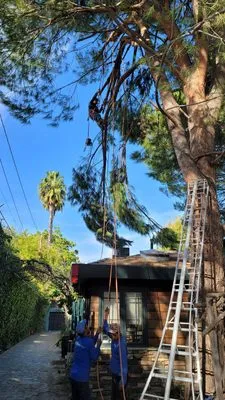
Sherman Oaks Tree Service has been a trusted, family-owned part of the community since 1956. We are a licensed and insured business dedicated to enhancing your property's curb appeal and health throug...
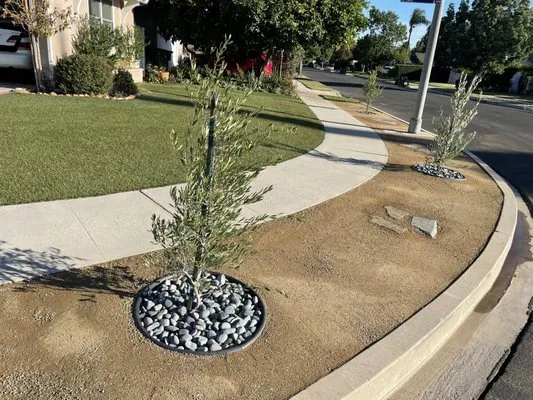
Sherman Oaks Landscaping
Sherman Oaks Landscaping has been serving the Sherman Oaks community for many years, providing reliable landscaping solutions tailored to local needs. Our team specializes in both softscape and hardsc...
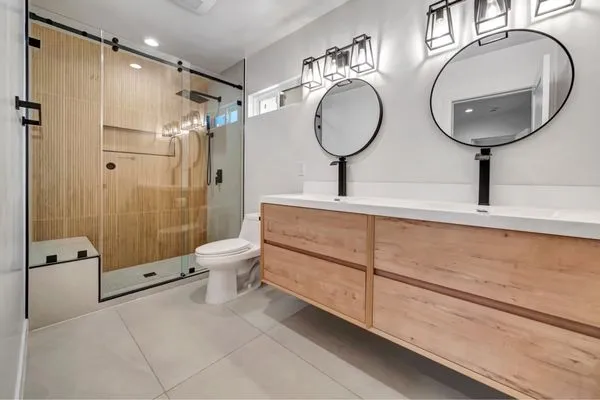
Sunset Home Builders Remodeling and Construction Company
Sunset Home Builders Remodeling and Construction Company is a locally owned and operated business serving Sherman Oaks, CA, and the greater Los Angeles area. We specialize in comprehensive constructio...
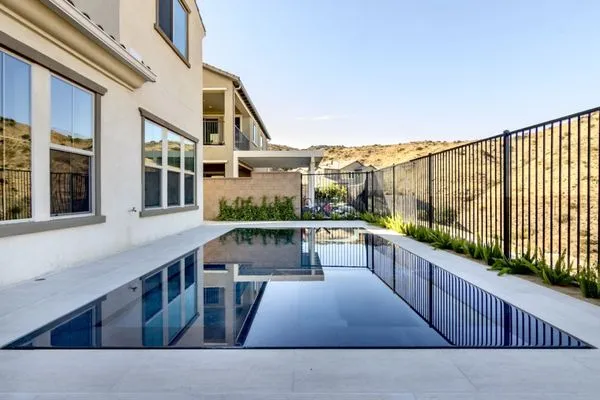
Pool Masters Los Angeles is your trusted local pool builders contractor based in Sherman Oaks, CA. Since 2010, we've been dedicated to transforming outdoor spaces into personal paradises for homeowner...
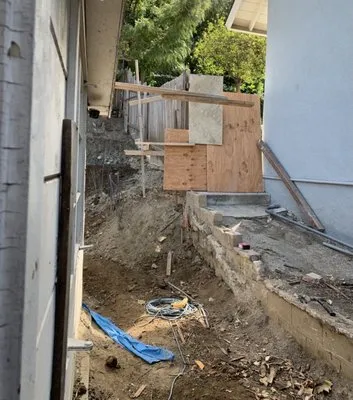
Green Vision
Green Vision Inc. is a family-owned and operated boutique landscape company serving Sherman Oaks and the surrounding communities. We specialize in creating quality-driven outdoor spaces that blend bea...
Discovery Landscaping
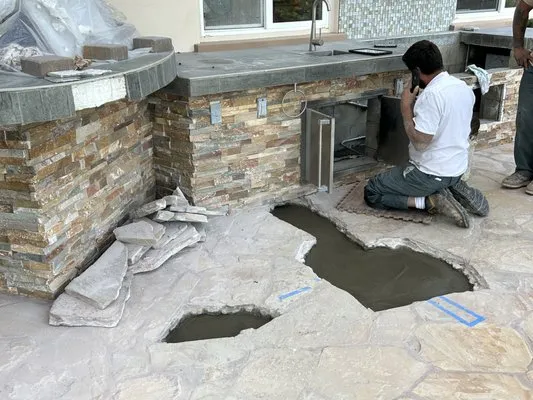
Discovery Landscaping serves Sherman Oaks homeowners by tackling common local landscape challenges. We specialize in solving issues like rock garden shifting and poor drainage through expert design an...
Questions and Answers
What solutions exist for expansive soil runoff problems in my yard?
Permeable concrete pavers create infiltration zones that manage high runoff common in Sherman Oaks' clay loam soils. These systems reduce surface water velocity and allow gradual percolation into the subsoil. When installed with proper grading, they meet Los Angeles Department of Building and Safety standards for stormwater management. French drains or dry creek beds can complement hardscape solutions for comprehensive drainage control.
How do I control invasive species without violating fertilizer ordinances?
Targeted manual removal of invasive plants like yellow starthistle or fountain grass prevents spread without chemical intervention. The City of Los Angeles Stormwater Pollution Prevention Program restricts certain treatments during rainy seasons to control nutrient runoff. Biological controls using beneficial insects or strategic planting of competitive natives offer sustainable alternatives. Always verify treatment timing against municipal blackout dates to avoid compliance issues.
Why does my Sherman Oaks lawn have drainage issues and compacted soil?
Sherman Oaks properties built around 1962 have soil that has matured for approximately 64 years. This alkaline clay loam (pH 7.5-8.2) naturally compacts over decades, reducing permeability and creating high runoff conditions. Core aeration with organic amendments like composted wood chips improves soil structure by increasing pore space for water infiltration. Regular soil testing every 2-3 years helps monitor pH levels and nutrient availability in these established landscapes.
How quickly can you respond to an emergency tree limb cleanup for HOA compliance?
Emergency storm response from our Van Nuys/Sherman Oaks Recreation Center dispatch typically requires 25-40 minutes during peak conditions. The route via US-101 allows efficient access to most Sherman Oaks neighborhoods. Our electric-only equipment fleet complies with LAMC Section 112.04 noise ordinances while providing immediate debris removal. We prioritize safety assessments before beginning any cleanup operations on your 0.16-acre property.
Are permeable pavers better than wood decking for fire safety?
Permeable concrete pavers provide superior fire resistance compared to combustible wood materials, especially important in Moderate WUI Buffer Zones. Their non-flammable nature creates defensible space while allowing proper water infiltration. Pavers maintain structural integrity for 25+ years with minimal maintenance, unlike wood that requires regular sealing and replacement. The initial investment typically yields better long-term value through durability and reduced fire risk.
What permits and licenses are needed for grading my 0.16-acre lot?
Grading projects exceeding 50 cubic yards require permits from the Los Angeles Department of Building and Safety. Contractors must hold appropriate CSLB licenses for earthwork and drainage modifications. The 0.16-acre property size often triggers review for soil erosion control and stormwater management plans. Always verify contractor licensing through the CSLB database before beginning work to ensure compliance with local regulations and proper insurance coverage.
Should I replace my high-maintenance turf with native plants?
Transitioning to California Poppy, Cleveland Sage, Toyon, Deergrass, and White Sage reduces water needs by 60-80% compared to traditional turf. These natives establish deep root systems that stabilize expansive soils while providing habitat for local pollinators. Electric maintenance equipment easily handles native plant care without violating gas-blower restrictions. The conversion typically pays for itself within 3-5 years through reduced water and maintenance costs.
How can I maintain St. Augustine grass during Stage 2 water restrictions?
Wi-Fi ET-based weather sensing controllers optimize irrigation by adjusting schedules to actual evapotranspiration rates. These smart systems reduce water usage 20-30% while preserving turf health in USDA Zone 10b. Programming deep, infrequent watering cycles encourages deeper root growth in alkaline clay loam soils. Regular system audits ensure uniform coverage and prevent runoff violations under current conservation measures.
