Top Landscaping Services in Shasta Lake, CA, 96003 | Compare & Call
There are 115 landscaping companies server in Shasta Lake CA
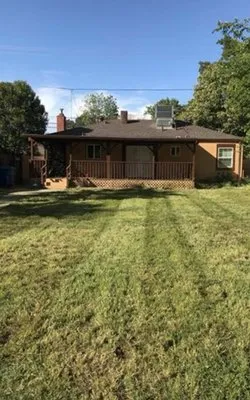
L&C Lawn Care is a Redding-based lawn service company founded by Liam Cook, who brings over three years of professional experience from Kansas. Established in 2015 and now serving the West Coast, the ...

Cal Lawn Sod is a family-owned and operated business that has been serving Northern California since 1972. With deep roots in the region—the owner was born and raised in Oakland—we understand the uniq...
Israel's Landscape & Maintenance is a licensed and insured landscaping company serving Red Bluff, CA, with a focus on reliable and professional service. We offer comprehensive care for your outdoor sp...
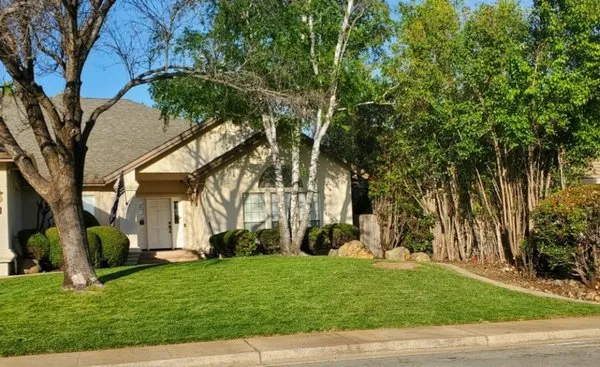
Hybrid Scapes is a Redding-based landscaping company dedicated to solving the common local issues of broken irrigation systems and unsightly dry patches. We combine expert design with meticulous const...
Good Ol' Boyz Yard Card is a Redding-based landscaping company focused on solving the specific yard challenges faced by local homeowners. With hot, dry summers common in the North State, we specialize...
Estimated Landscaping Service Costs in Shasta Lake, CA
Frequently Asked Questions
How quickly can you respond to an emergency storm cleanup for HOA compliance?
Emergency response teams dispatch from Shasta Lake City Hall via I-5, reaching Central Shasta Lake properties within 20-30 minutes during peak storm conditions. Crews coordinate with local utilities to clear fallen branches and debris while maintaining traffic flow. All equipment meets standard daytime decibel limits for operation between 7 AM and 7 PM. Documentation for HOA compliance includes timestamped arrival photos and debris removal verification.
What solutions prevent surface erosion on sloped properties with gravelly soil?
Surface erosion in acidic gravelly loam requires graded swales and French drains to redirect water flow away from vulnerable slopes. Decomposed granite hardscape provides permeable surfaces that meet City of Shasta Lake Development Services runoff standards by allowing 2-3 inches per hour infiltration. Terracing with native stone retaining walls creates level planting areas that reduce water velocity. Erosion control blankets seeded with Blue Wildrye stabilize soil while establishing permanent vegetative cover.
How do I manage invasive species without violating fertilizer ordinances?
Early detection of invasive plants like yellow starthistle or medusahead requires manual removal before seed set to prevent spread. Spot treatments with EPA-registered herbicides follow state-compliant nutrient management plans to prevent runoff into waterways. Soil health is maintained through mycorrhizae inoculants that boost native plant competitiveness. Treatment timing avoids blackout dates specified in local ordinances, typically aligning with dormant seasons to minimize environmental impact.
What permits and licenses are needed for grading my 0.22-acre lot?
Grading projects exceeding 50 cubic yards require engineered plans approved by City of Shasta Lake Development Services. Contractors must hold active California Contractors State License Board certification with C-27 landscaping classification for earthmoving operations. Erosion control measures must be installed before work begins and maintained throughout the project. Final inspections verify proper drainage contours and soil stabilization to prevent downstream sedimentation issues.
What low-maintenance alternatives exist for noisy gas-powered lawn equipment?
Transitioning to California native plant communities eliminates weekly mowing while providing year-round visual interest. Western Redbud, Manzanita, and Deergrass establish deep root systems requiring minimal irrigation once established. Electric maintenance fleets operate below noise ordinance thresholds while eliminating emissions. This approach creates habitat corridors that support local pollinators and meets 2026 biodiversity standards for urban landscapes.
How can I maintain Tall Fescue turf during Stage 1 water restrictions?
Wi-Fi ET-based weather sensing irrigation systems calculate evapotranspiration rates to deliver precise water volumes matching plant needs. These systems automatically adjust schedules based on real-time weather data, reducing water use by 20-30% compared to traditional timers. For Tall Fescue in USDA Zone 9a, deep infrequent watering encourages deeper root growth and drought tolerance. Municipal water limits are maintained through flow sensors that trigger automatic shutoffs during system leaks or excessive usage.
Is decomposed granite or wood better for fire-resistant landscaping?
Decomposed granite provides superior fire resistance compared to wood, creating defensible space required for Very High Fire Wise Rating in WUI Zone 1. This material maintains structural integrity up to 1200°F without emitting flammable gases. Proper installation includes 5-foot mineral soil buffers around structures and strategic placement of fire-resistant natives like Manzanita. Permeability of 3-4 inches per hour reduces water pooling while meeting defensible space clearance requirements.
Why does my Central Shasta Lake yard have such poor drainage and compacted soil?
Properties built around 1982 have soil that has matured for approximately 44 years, developing a dense acidic gravelly loam structure common in this neighborhood. This soil type naturally compacts over decades, reducing permeability and creating surface water issues. Core aeration with organic amendments like composted bark improves soil structure by increasing pore space. Regular soil testing every 2-3 years helps monitor pH levels around 6.2 to maintain optimal nutrient availability for plant health.
