Top Landscaping Services in Shasta, CA, 96001 | Compare & Call


Environmental Hydroseeding in Shasta, CA is a locally owned and operated landscaping contractor founded in 1998 by Randy Phelps, serving Shasta, Trinity, and Siskiyou Counties. Specializing in hydrose...
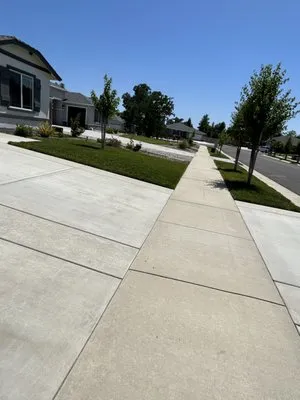
C&C Mowing is a trusted lawn care provider serving the Shasta, CA community. We understand the unique challenges local homeowners face, such as soil compaction from our regional clay content and the f...

A & C Landscape Maintenance is a trusted local landscaping company serving Shasta, CA, dedicated to keeping outdoor spaces beautiful and functional year-round. We specialize in comprehensive landscape...
T's Gardening is a Shasta, CA-based landscaping company dedicated to solving the common local challenges of bare lawn patches and irrigation system leaks. We understand that the Shasta climate and soi...
Frequently Asked Questions
Why does my soil in the Old Shasta Historic District seem so compacted and lifeless?
Properties built around the community average of 1983 have soils with over 40 years of maturation under similar landscaping practices. The prevalent Ultic Haploxeralfs soil here, with its pH of 6.1-6.5 and clay-heavy subsoil, becomes heavily compacted over decades, impeding root growth and water percolation. Core aeration in spring and fall, combined with top-dressing with compost, introduces organic matter to improve structure and microbial activity. This directly addresses the low permeability common in older Shasta County lots.
For a new patio, is local river rock or wood a better choice for longevity and fire safety?
In Shasta's High Fire Wise Zone 2, non-combustible materials are critical for defensible space. Local river rock and decomposed granite offer superior longevity and zero fire risk compared to wooden decks, which require constant treatment and deteriorate. These mineral-based hardscapes provide excellent permeability, reducing runoff, and their thermal mass can help moderate micro-climate temperatures around your home, contributing to overall site resilience.
Is there a more sustainable, low-maintenance alternative to my high-water turf grass?
Transitioning to a climate-adaptive landscape with natives like California Buckeye, Western Redbud, Deergrass, and Foothill Penstemon significantly reduces water, mowing, and chemical inputs. This xeriscape approach builds biodiversity and soil health. It also future-proofs your property against evolving noise ordinances targeting gas-powered blowers and aligns with the high Fire Wise rating for WUI Zone 2 by creating defensible space with fire-resilient plants.
What licensing should I verify before hiring a contractor to regrade my 0.35-acre lot?
Any significant grading or earthwork on a 0.35-acre parcel requires a licensed professional. Always verify an active 'C-27' Landscaping license or a related classification with the California Contractors State License Board (CSLB). The contractor must also pull any necessary grading permits from the Shasta County Department of Resource Management, as altering drainage patterns can impact neighboring properties and watersheds, carrying substantial liability if done improperly.
My yard floods in winter. What's a lasting solution for this clay soil drainage problem?
Moderate runoff on Ultic Haploxeralfs soil is a common issue due to low subsoil permeability. A tiered approach involves installing French drains or dry creek beds lined with local river rock to redirect surface water. Replacing impervious surfaces with permeable decomposed granite patios increases ground infiltration. These solutions manage stormwater on-site, which is a key consideration for Shasta County Department of Resource Management grading and runoff permits.
I've spotted yellow starthistle. How do I control it safely and legally?
Yellow starthistle is a pervasive invasive that outcompetes natives and degrades pasture. Effective control requires a targeted approach: manual removal before seed set or a precise, professional-grade herbicide application in early growth stages. All treatments must adhere to California's N-P-K runoff mitigation standards, avoiding application near watercourses or during seasonal blackout dates to protect watershed health. Consistent monitoring is essential for eradication.
With Stage 1 water restrictions, how do I keep my Tall Fescue lawn healthy without wasting water?
Voluntary conservation stages require precision. An ET-based, Wi-Fi-connected irrigation system schedules watering based on real-time evapotranspiration data from local weather stations. This technology adjusts runtime to match exact plant needs, preventing overwatering that leads to runoff on Shasta's clay subsoil. Properly programmed, it maintains Tall Fescue's root zone moisture while reducing total municipal water consumption, aligning with all conservation guidelines.
How quickly can you respond for an emergency HOA compliance cleanup after a major storm?
For urgent service calls in the Old Shasta Historic District, our dispatch routing from Shasta State Historic Park via CA-299 allows for a confirmed 20-30 minute peak response window. We maintain dedicated electric maintenance fleets to comply with noise ordinances and expedite arrival. This protocol is designed specifically for post-storm scenarios requiring immediate debris removal, drainage clearing, and restoration to meet community standards.
