Top Landscaping Services in Shadow Hills, CA, 91040 | Compare & Call
There are 230 landscaping companies server in Shadow Hills CA
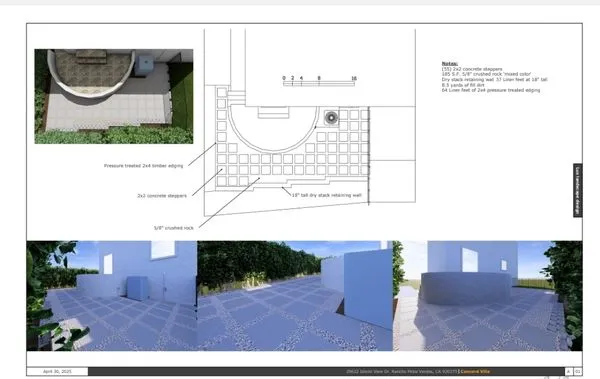
Gomez Landscaping is a family-owned business serving Wilmington, CA and the South Bay area since 2009. We specialize in comprehensive landscaping, tree services, and fence installation, offering every...
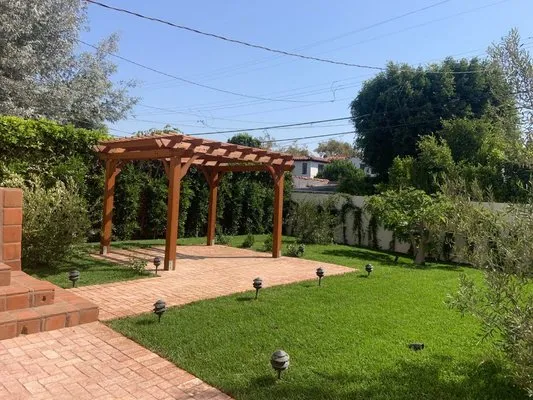
Supergreen Landscape is a licensed landscape architecture firm serving Los Angeles, CA, with over 25 years of industry experience. Established in 2009, we specialize in landscaping, tree services, and...
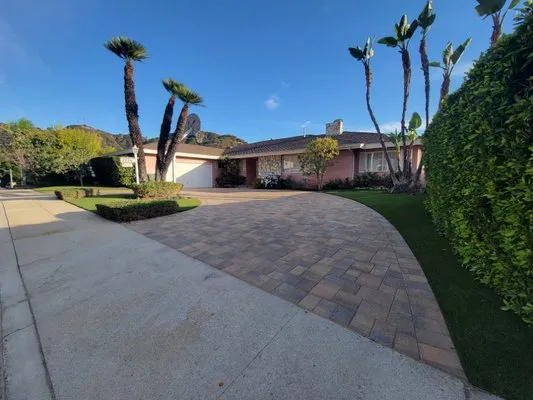
Buildcal Landscape was founded in Glendale, CA by Arin D., a licensed landscape contractor with a deep-rooted commitment to the local community. Arin's expertise stems from a Bachelor's degree in Land...
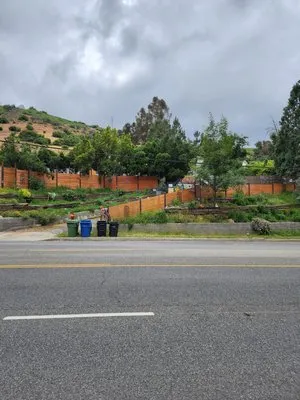
A To Z Landscaping
A To Z Landscaping is a family-owned and operated business serving Glendale and the Greater Los Angeles area since 2008. We specialize in comprehensive landscaping, tree services, and masonry/concrete...
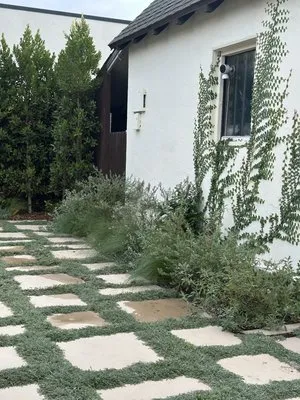
Union Landscape is a family-owned and operated landscaping business serving Pasadena and the surrounding areas. With over 32 years of combined experience as a father-and-son team, we bring deep-rooted...
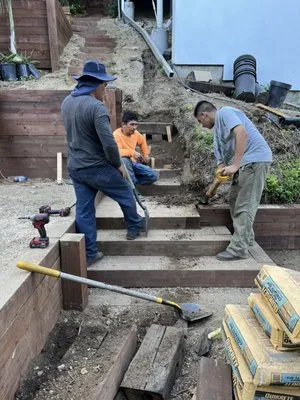
Antonio and Son's Landscaping is a family-owned and operated business that has been a part of the Los Angeles community for years. Founded on Antonio's deep-rooted passion for horticulture and outdoor...
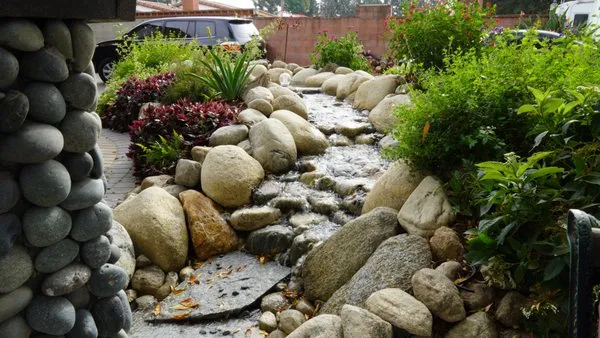
Scenic View Landscape is a licensed landscaping company serving Glendora, CA, with over 25 years of experience in custom hardscaping and softscaping. We specialize in transforming outdoor spaces into ...
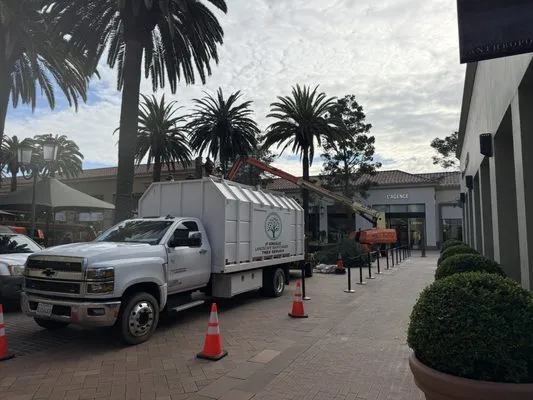
JF Gonzalez Landscape Maintenance is a licensed, family-operated business serving Canoga Park and the surrounding areas. We specialize in comprehensive tree care and landscape services, from routine m...
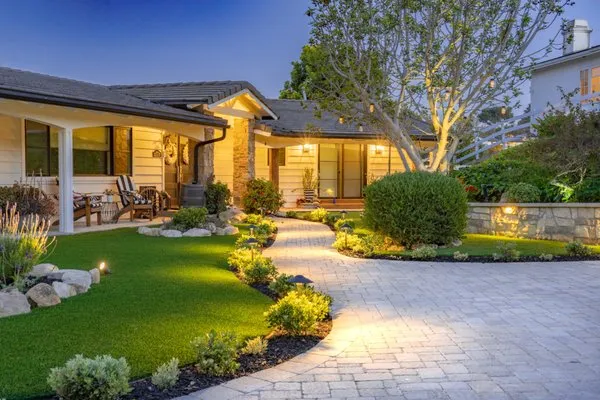
Titan Pavers is a Los Angeles-based hardscaping specialist founded in 2016 by owner Max N. With over a decade of focused experience in the interlocking concrete paver and artificial turf industry, we ...
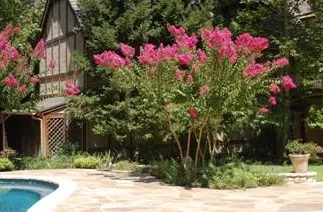
Hollywood Tree Service is a family-owned and operated company that has been a trusted part of the Los Angeles community since 1958. For over six decades, we've built our reputation on providing a comp...
Estimated Landscaping Service Costs in Shadow Hills, CA
Q&A
How can we keep our lawn alive with only 3 days of watering per week?
Stage 2 water restrictions mandate efficient irrigation. For St. Augustine or Hybrid Bermuda turf, a smart Wi-Fi ET-based controller is essential. It automatically adjusts runtime using local evapotranspiration data, applying water only when needed and within your assigned days. This precision prevents overwatering, which is detrimental in sandy loam, and deepens root systems. Properly programmed, these systems can maintain turf health while reducing total consumption by 20-30%.
Why is our soil so compacted and how do we fix it?
Shadow Hills Estates, developed around 1965, has 60-year-old landscaping soils. Decades of routine maintenance on the prevalent slightly alkaline sandy loam have degraded its structure, reducing pore space and limiting root penetration. Core aeration is critical to relieve this compaction and improve water percolation. Following aeration, incorporate a 2-inch layer of composted organic matter to increase microbial activity and gradually buffer the soil's pH toward a more neutral range.
What's a lower-maintenance, drought-tolerant alternative to our current lawn?
Transitioning to a climate-adaptive landscape using natives like Deergrass, White Sage, Toyon, and California Poppy significantly reduces water, mowing, and chemical inputs. These plants are adapted to the local 10a zone and alkaline soils, forming resilient ecosystems. This shift also future-proofs your property against evolving regulations, such as the gas-powered equipment ban, as native gardens require less frequent intervention and generate minimal green waste for blowing.
We have an invasive grass. How do we remove it without harming the environment?
Invasive species like Bermuda grass can dominate native plantings. Manual removal is most effective for small patches. For larger areas, a targeted, non-residual herbicide applied by a licensed professional during the plant's active growth phase may be necessary. Any treatment plan must strictly adhere to the Regional Water Quality Control Board's stormwater runoff restrictions, avoiding application before forecasted rain to prevent watershed contamination. Always confirm there are no local blackout dates in effect.
Our sloped property has erosion. What's a lasting solution?
Slope instability in the foothills is exacerbated by the low permeability of compacted soil. A tiered approach is required: first, install French drains or dry creek beds lined with river rock to intercept and redirect surface flow. For patios or paths, use permeable materials like decomposed granite or permeable concrete pavers. These systems increase groundwater recharge and reduce runoff velocity, helping your project meet City of Los Angeles Department of Building and Safety standards for stormwater management.
What permits and licenses are needed for a major regrading project on half an acre?
Significant earthwork on a 0.50-acre lot in Los Angeles requires a grading permit from the City Department of Building and Safety, with plans stamped by a licensed civil engineer. The contractor performing the work must hold a relevant C-27 Landscaping or C -12 Earthwork license from the California Contractors State License Board (CSLB). This ensures they carry the required bond and insurance and have the technical knowledge to execute the project safely and in accordance with all erosion control and stormwater regulations.
Can you respond quickly for an HOA compliance emergency after a windstorm?
Yes. For urgent debris cleanup in Shadow Hills to meet HOA standards, our electric fleet dispatches from the Hansen Dam Recreation Center area. Using the I-210 (Foothill Freeway), we can typically reach most properties within the 45-60 minute window quoted for peak response. This efficiency, combined with battery-powered equipment compliant with the city's gas blower ban, allows for immediate, code-compliant site stabilization.
Is decomposed granite a good choice for our fire-risk area?
Yes. In a Very High Fire Severity Zone, creating defensible space is paramount. Decomposed granite (DG) is a non-combustible, inorganic material that performs well for paths and seating areas. Compared to wood, it eliminates fuel for embers and requires no sealing or staining. When properly compacted and edged, DG provides a stable, permeable surface that complements the fire-resistant attributes of native plantings, aiding overall WUI Zone 1 compliance.
