Top Landscaping Services in Sea Ranch, CA, 95497 | Compare & Call
There are 189 landscaping companies server in Sea Ranch CA
Max Landscape is a trusted local landscaping company serving Santa Rosa, CA, and the surrounding areas. We specialize in diagnosing and repairing the common irrigation problems that frustrate local ho...
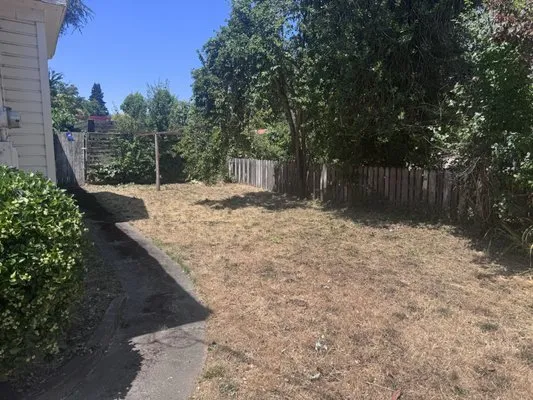
Lawn Legends is a Fort Bragg-based landscaping company founded on the principle of delivering efficient, affordable services with a personal touch. We specialize in comprehensive lawn care, landscape ...
Sonoma Valley Landscaping is a trusted local contractor in Sonoma, CA, specializing in landscape construction, greenscape installation, and masonry. We understand the unique challenges Sonoma homeowne...
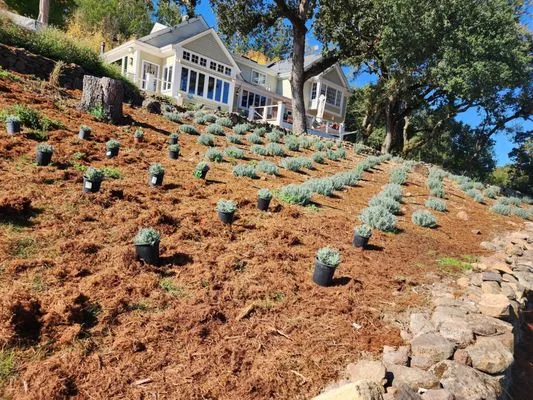
GH Landscape & Maintenance is a Sonoma-based company founded on a simple principle: reliable, high-quality outdoor care. Owner-driven and community-focused, we understand your outdoor space is an exte...
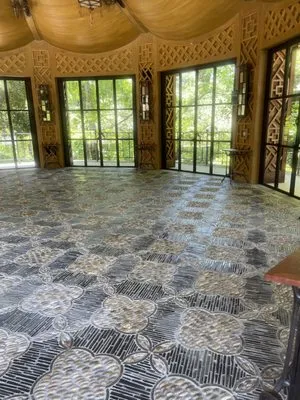
Aff Building Services is a trusted, local provider in San Rafael, CA, offering comprehensive solutions for commercial properties and landscapes. We specialize in creating healthier, safer, and more ap...
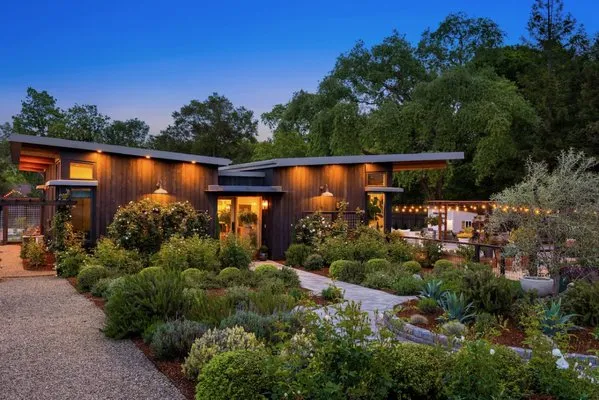
Espinoza Landscaping is a Napa-based landscaping company dedicated to enhancing the natural beauty of local properties. We specialize in irrigation construction and repair, landscape design, and compr...
C and J Yard Care Maintenance brings over thirty years of combined landscaping and construction expertise to Windsor, CA. Founded on a partnership with deep roots in the local community, we leverage f...
Castillo Landscaping & Landscape Construction
Castillo Landscaping & Landscape Construction is a Healdsburg-based, full-service landscaping company specializing in both design and construction. We help local homeowners resolve common issues like ...

Figueroa's Landscaping Solutions is a full-service outdoor contractor serving Santa Rosa, CA, and the surrounding Sonoma County. We specialize in a comprehensive range of services, from landscape desi...
Ridge Landscape
Ridge Landscape is a Healdsburg-based contractor founded on a commitment to quality and a deep passion for the green industry. Owner Andrew West began his 16-year journey as a laborer, working his way...
Estimated Landscaping Service Costs in Sea Ranch, CA
Frequently Asked Questions
I'm concerned about erosion on my sloped property near the bluffs. What are the best solutions for managing runoff?
High erosion risk on coastal bluffs requires strategic, permeable solutions. Regrading with swales and installing dry creek beds using local native stone are highly effective. For any new patios or paths, specify permeable bases beneath local Redwood timber or stone to increase ground absorption. These designs must meet Sonoma County Permit and Resource Management Department standards for stormwater management, which prioritize slowing and infiltrating runoff on-site rather than directing it toward sensitive bluffs.
What permits and contractor qualifications are needed for regrading or significant landscaping work on a half-acre lot?
Any significant earthmoving, drainage alteration, or hardscape installation on a 0.50-acre lot requires a permit from the Sonoma County Permit and Resource Management Department. The contractor must hold a valid C-27 Landscaping license from the California Contractors State License Board (CSLB). For work affecting erosion control or bluff stability, additional engineering review may be mandated. Never hire an unlicensed individual for this scope of work, as it invalidates insurance and violates state law, leaving you liable for any environmental damage or structural failure.
If I have an urgent need for storm debris cleanup to meet HOA compliance, how quickly can a crew typically respond?
For emergency compliance cleanups, we prioritize dispatch from our central staging near the Sea Ranch Lodge. The route north or south via California State Route 1 is direct, but travel times are inherently variable due to coastal conditions and seasonal traffic. You should plan for a standard response window of 90-120 minutes. We mitigate this by utilizing electric tools that comply with strict seasonal noise ordinances, allowing us to begin work immediately upon arrival without time-of-day restrictions.
What invasive species should I watch for, and how can I manage them without harming the coastal environment?
Primary invasive alerts include French Broom, Pampas Grass, and Ice Plant, which aggressively outcompete natives. Manual removal is the first line of defense, ensuring the entire root system is extracted. For persistent problems, targeted, organic-grade herbicide applications are permissible outside of the prohibited blackout dates and zones near coastal wetlands and riparian areas as defined by the local fertilizer ordinance. Always follow up with replanting of native species to occupy the disturbed soil.
What are the long-term benefits of replacing traditional landscaping with native plants here?
Transitioning to a palette of Coastal Strawberry, Douglas Iris, and Coast Buckwheat establishes a resilient, low-input ecosystem. These plants are adapted to our marine terrace soils and climate, requiring no supplemental fertilizer and minimal water once established. This shift future-proofs your property against tightening noise ordinances by eliminating the need for gas-powered blowers and mowers. Furthermore, a native landscape significantly enhances local biodiversity and provides critical habitat, aligning with 2026 conservation benchmarks.
Is local Redwood still a good choice for decks and fences given the high fire risk?
Local Redwood is durable for our coastal climate but requires careful consideration in Extreme Fire Hazard Severity Zones. For defensible space compliance (WUI Zone 3), any wooden structure within 30 feet of a home must be meticulously maintained and kept free of debris. As an alternative, native stone or composite materials offer superior fire resistance with zero maintenance. If using Redwood, ensure designs are open and non-combustible for at least the first five feet adjacent to any structure to meet defensible space regulations.
How can I responsibly water a native meadow or fescue blend with the current water restrictions?
Under Stage 1 voluntary conservation, precision is key. Drip irrigation paired with soil moisture sensors is the mandated standard. This system delivers water directly to the root zones of your meadow blend, eliminating evaporation and runoff. The sensors prevent irrigation cycles when soil moisture is adequate, often reducing water use by 30-50% compared to traditional sprinklers. This technology ensures your low-water turf alternative remains healthy while staying well within municipal guidelines.
Our landscape seems to struggle, and the soil feels compacted. Is this typical for properties built around the late 1980s here?
Yes, it is a direct consequence of soil maturity. With an average house age of 1989, your Marine Terrace Loam has had nearly 40 years to settle and compact, especially in high-traffic areas. This soil type, while fertile, naturally develops low permeability over time. For lots in The Sea Ranch Commons, core aeration every 2-3 years is critical to relieve compaction, followed by top-dressing with compost to rebuild organic matter and maintain the ideal 5.5-6.5 pH range for native plants.
