Top Landscaping Services in Sausalito, CA, 94965 | Compare & Call

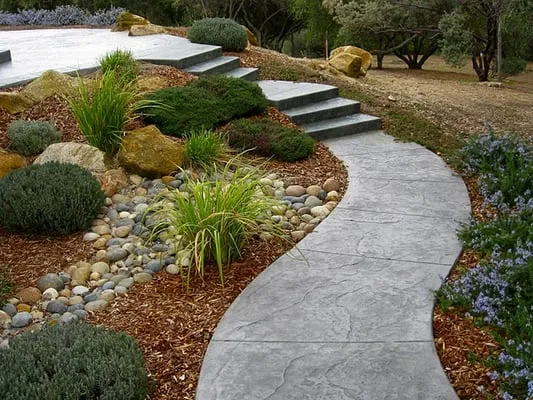
Founded by Susan Frank in 1977, Suma Landscaping is a Sausalito-based landscape contractor known for professional design, construction, and maintenance. Susan holds a degree in Ornamental Horticulture...
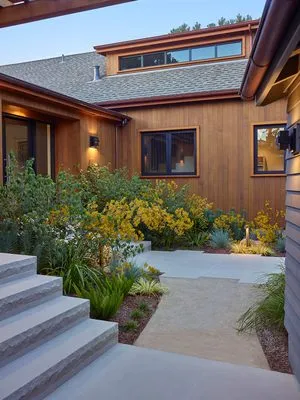
Shades of Green Landscape Architecture is a Sausalito-based firm founded in 2004 by Principal Landscape Architect Ive Haugeland, who brings a unique Scandinavian design sensibility from her Norwegian ...

Founded in 2016, Elíseo serves Sausalito with comprehensive landscape care, from routine maintenance to complex construction. Our work begins with the fundamentals: cleaning walkways, repairing founta...
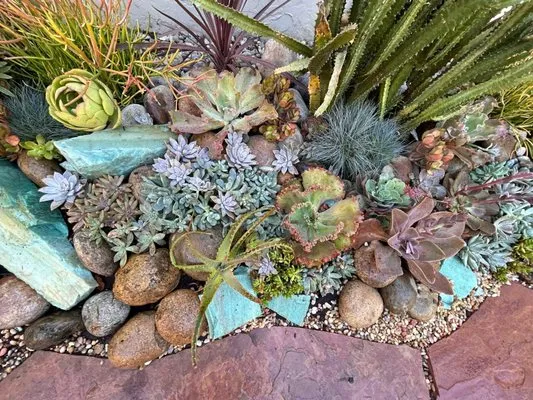
Landscaping Logic is a dedicated local landscaping company serving Sausalito, CA. We understand the unique challenges homeowners face in this beautiful coastal area, from persistent irrigation system ...
Varnese Landscapes is a trusted Sausalito landscaping company dedicated to preserving and enhancing the beauty of local properties. We understand the unique challenges faced by Sausalito homeowners, p...
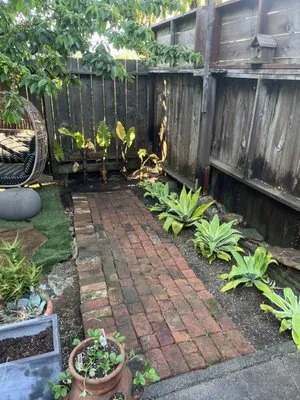
SB Construction and Landscape is a trusted local contractor serving Sausalito homeowners with comprehensive landscaping and tree care solutions. We understand the unique challenges of our Marin County...
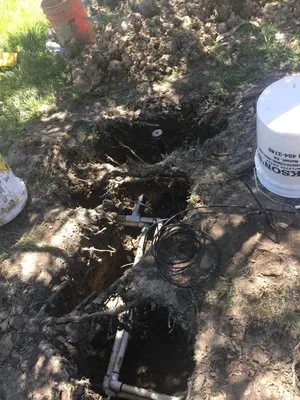
GSI Landscaping brings over 20 years of landscape expertise to Sausalito, combining mid-western reliability with Marin County's natural beauty. Founded in 1994 and now based in Sausalito for 8 years, ...
Growing Image Landscape is a Sausalito-based landscaping company dedicated to creating and maintaining resilient, beautiful outdoor spaces tailored to the local coastal climate. A common challenge for...
Questions and Answers
What invasive species should I watch for, and how do I control them safely?
Common alerts include French broom, pampas grass, and certain ivies that outcompete natives. Treatment must comply with the Regional Water Quality Control Board's NPDES stormwater regulations, which prohibit certain herbicide applications before forecasted rain. We use targeted mechanical removal and approved organic herbicides during designated dry periods. A proactive strategy involves establishing a dense cover of native plants like California Poppy to occupy ecological niches and resist reinvasion.
How can I maintain a healthy lawn under Stage 1 water conservation rules?
Wi-Fi ET-based weather-sensing irrigation is essential for managing Tall Fescue within voluntary conservation limits. This system schedules watering based on real-time evapotranspiration data, applying water only when the turfgrass actually needs it. We program controllers to align with Sausalito's watering windows, typically deep and infrequent cycles that encourage deeper root growth. This precise approach can reduce potable water use by 20-30% while maintaining canopy health.
What's a low-maintenance, water-wise alternative to my traditional lawn?
Transitioning to a native plant palette featuring Ceanothus, Salvia mellifera, and Toyon creates a resilient, climate-adapted landscape. These species thrive in Zone 10a with minimal summer irrigation once established, drastically reducing water demand. This approach also eliminates the need for frequent mowing and aligns with the gas-powered equipment ban, as these plant communities require only occasional hand-pruning. The resulting habitat supports local biodiversity and meets Fire Wise WUI Zone 2 defensible space guidelines.
Why is my soil so dense and difficult to work with in my Old Town Sausalito garden?
Properties built around 1964, like many here, have soils that have matured for over 60 years. This area's Franciscan Assemblage Clay Loam naturally compacts over decades, especially under traditional landscaping. The primary issue is low permeability, which restricts root growth and water infiltration. To restore soil health, we recommend core aeration in the fall and amending planting beds with 2-3 inches of high-quality compost to rebuild organic matter and improve structure.
What permits and contractor qualifications are needed for regrading my 0.15-acre lot?
Any significant grading or drainage work requires a permit from the Sausalito Community Development Department, with plans often needing review for erosion control. The contractor must hold a C-27 Landscaping license or a C-12 Earthwork license from the California Contractors State License Board. This is critical for work on slopes due to liability and engineering standards. For a 0.15-acre lot, improperly managed excavation can trigger slope instability, affecting neighboring properties and requiring costly remediation.
How quickly can you respond to an urgent cleanup for HOA compliance?
For emergency storm or compliance cleanups in Old Town, our dispatch from the Sausalito Ferry Terminal area allows a 20-30 minute arrival during peak hours via US-101. We maintain an all-electric maintenance fleet compliant with the local gas-powered blower ban, ensuring immediate deployment without violating noise ordinances. This logistics model is designed for rapid response to slope instability issues and post-storm debris management common in the area.
My yard has significant runoff and erosion on slopes. What's the best solution?
High runoff on Franciscan Clay Loam slopes requires engineered permeability. We specify permeable decomposed granite for paths and patios, which allows stormwater to infiltrate locally rather than sheeting off. This meets Sausalito Community Development Department standards for on-site management of the first flush. For severe instability, integrating subsurface French drains with clean gravel and a geotextile fabric is often necessary to stabilize the soil profile and protect foundations.
Is decomposed granite or wood decking better for a fire-resistant patio?
Permeable decomposed granite is superior for fire resistance and longevity in Sausalito's High Fire Wise rating zone. Unlike combustible wood, it provides a stable, non-flammable surface that contributes to required defensible space. Decomposed granite also mitigates heat island effects and, when properly installed with a stabilizer, resists erosion and weed penetration. Its permeability directly addresses slope runoff concerns, making it a compliant choice for both fire safety and drainage management on local clay soils.
