Top Landscaping Services in Santa Rosa Valley, CA, 93012 | Compare & Call
There are 239 landscaping companies server in Santa Rosa Valley CA
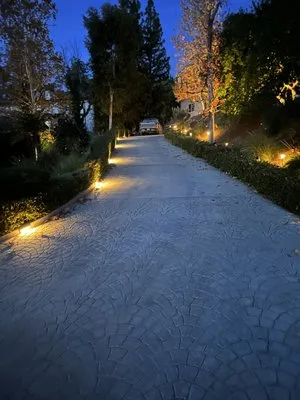
E & E Landscaping began as a small property management gardening service and has grown into a trusted, full-service landscaping installation company serving Woodland Hills and the greater Los Angeles ...
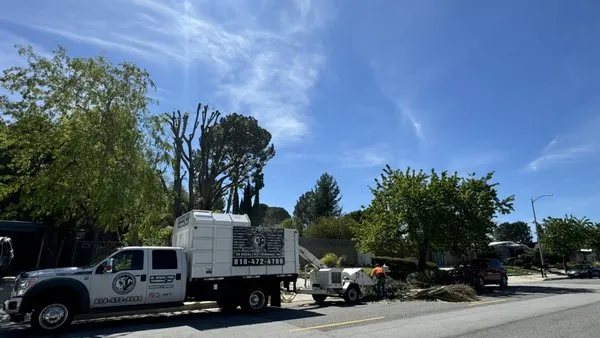
De Rosas Tree Trimming & More is a family-owned and operated business proudly serving Pacoima and the surrounding communities. Owner Jose De Rosas brings years of hands-on experience in tree care, lan...
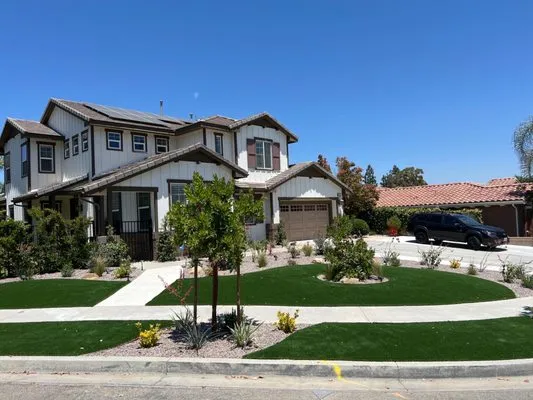
Landmark Landscape Corp is a licensed, full-service landscaping company with over 25 years of dedicated experience serving Simi Valley and the surrounding communities. As a Better Business Bureau accr...
California Ecology Arborists is a Los Angeles-based consulting firm founded in 2022, dedicated to the scientific care and preservation of trees and landscapes. Led by ISA Certified Arborist and Pest C...
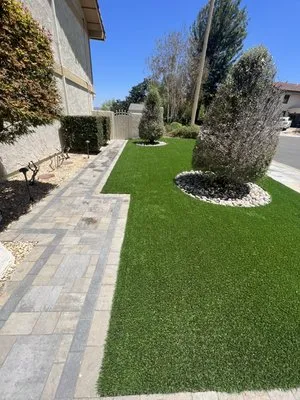
Generation Landscape Inc. is a family-owned and operated business serving the Greater Los Angeles area with comprehensive commercial and residential landscaping solutions for over 30 years. Founded in...
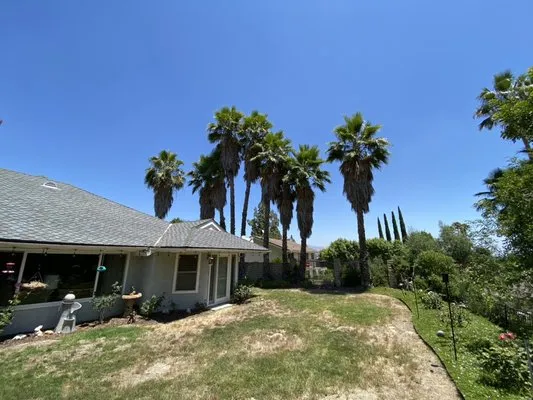
For over 35 years, Rosales Tree Care & Landscape Development has been a trusted, family-owned name in Encino. Now in its second generation, our team brings a deep, multi-decade commitment to transform...
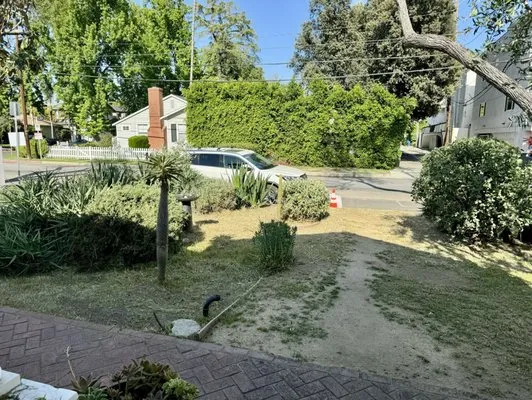
Cedar Lake Gardening Services provides comprehensive landscaping and tree care for Los Angeles homes and businesses. Our team specializes in landscape construction, irrigation systems, and the ongoing...
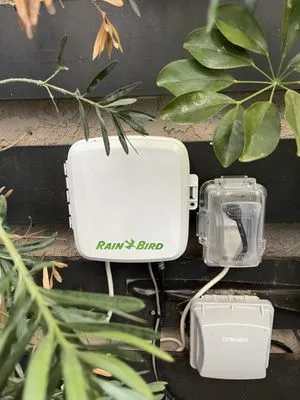
Sprinkler Fix Landscaping & Irrigation is a Los Angeles-based company specializing in comprehensive irrigation and landscaping services. We focus on creating efficient, sustainable outdoor solutions f...
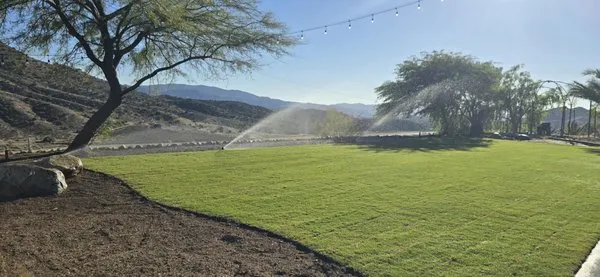
Paradise Landscaping and Gardening is a Glendale-based company dedicated to creating and maintaining beautiful, sustainable outdoor spaces for homes and businesses. With years of hands-on experience a...
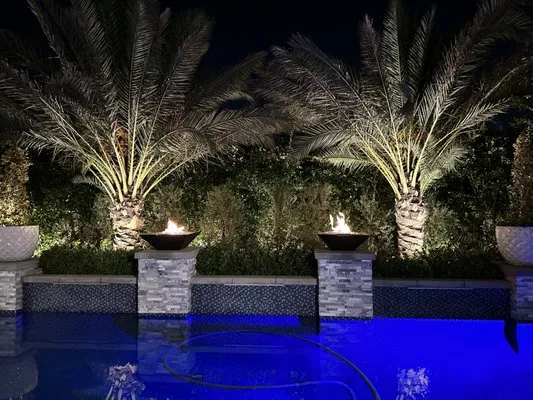
Pasadena Garden Care has been serving the Pasadena community for over a decade, building a reputation on honesty, integrity, and quality craftsmanship. Our mission is to establish lasting relationship...
Estimated Landscaping Service Costs in Santa Rosa Valley, CA
Q&A
What invasive species should we watch for, and how do we remove them safely here?
High-priority alerts are for Fountain Grass, Yellow Star-Thistle, and Tree of Heaven. Manual removal before seed set is critical. For chemical control, we use targeted, organic-acid based herbicides applied by licensed technicians to prevent drift, strictly adhering to statewide NPK runoff regulations that prohibit synthetics from entering storm drains. Treatment timing avoids dry, windy periods to protect the surrounding native habitat and comply with local blackout dates.
Is wood or stone better for a new patio, considering fire risk and longevity?
In a Very High Fire Hazard Severity Zone, non-combustible materials are mandatory for defensible space. Permeable concrete pavers and decomposed granite are superior to wood for longevity, fire resistance, and drainage. They do not require chemical treatments, warp, or attract pests. When installed with a proper base, these materials meet fire-wise ratings for ember resistance and can be designed to complement the native landscape aesthetic seamlessly.
What permits and licenses are needed to regrade and landscape our 1.5-acre lot?
Significant earthwork on a 1.5-acre parcel in Ventura County requires a grading permit from the Planning Division, often with a civil engineer's erosion control plan. The contractor must hold a C-27 Landscape Contractor license from the CSLB. This ensures they are bonded and insured for the scope of work, which is critical for managing drainage, protecting slopes, and avoiding liability. Unlicensed work risks fines and invalidates insurance coverage.
We're tired of constant mowing and blowing. What's a truly low-maintenance alternative?
Transitioning to a climate-adaptive landscape with California natives like Coast Live Oak, White Sage, Toyon, and Purple Needlegrass is the solution. This established palette requires no mowing, minimal water after establishment, and supports local biodiversity. It also future-proofs your property against tightening noise ordinances on gas-powered blowers. The deep roots of these plants stabilize slopes and improve soil health far beyond any turf system.
Our yard floods and the clay soil cracks every summer. What's the real fix?
The fix addresses both high runoff and the expansive nature of the clay. Surface solutions like French drains are temporary without improving subsoil permeability. The permanent strategy combines subsurface aeration, amending planting beds with gypsum and compost, and replacing impervious surfaces with permeable concrete pavers or decomposed granite. This integrated approach meets Ventura County Planning Division's runoff standards by managing water on-site.
Our soil feels heavy and nothing grows well. Is this just how Santa Rosa Valley is?
The calcareous clay loam (pH 7.5-8.2) common in Santa Rosa Valley Estates is a natural soil type, but 40 years of development since 1985 has compacted it and depleted organic matter. This reduces soil percolation and root penetration. For turf and ornamentals, core aeration followed by top-dressing with compost is essential to lower pH, improve structure, and support mycorrhizae. Mature soil requires active management, not just irrigation.
How quickly can a crew respond for an urgent HOA compliance issue before a deadline?
For emergency cleanup or compliance, our dispatch from Santa Rosa Valley Regional Park via CA-118 targets a 45-60 minute arrival, accounting for peak traffic. This prioritizes immediate issues like storm debris or overgrowth citations. All equipment is electric-compliant for noise ordinances, allowing work within the 8am-6pm window. We coordinate directly with HOA management to confirm the scope before arrival.
Can we keep a green lawn under Stage 2 water restrictions, or is it a lost cause?
Yes, with precise management. Tall fescue drought-tolerant varieties are viable, but require Wi-Fi ET-based weather sensing controllers. These systems adjust runtimes daily using local evapotranspiration data, applying water only when the turf needs it, which complies with municipal limits. Deep, infrequent watering cycles are programmed to encourage deeper roots. This technology, paired with soil moisture sensors, is now the standard for conservation mandates.
