Top Landscaping Services in Santa Monica, CA, 90401 | Compare & Call

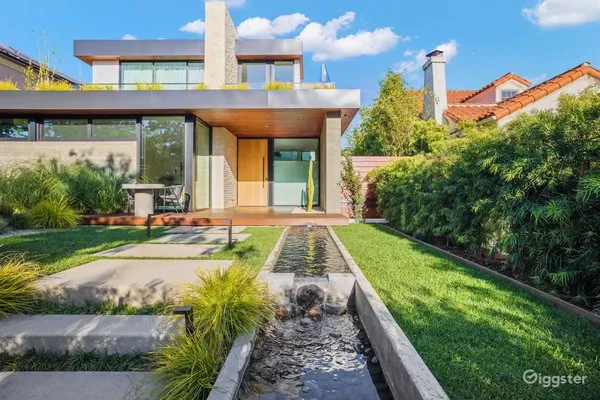
Bloom Works Landscape
The founder of Bloom Works Landscape in Santa Monica found their true calling outdoors, building on a foundation of horticulture and design knowledge passed down from their father. Moving from behind ...
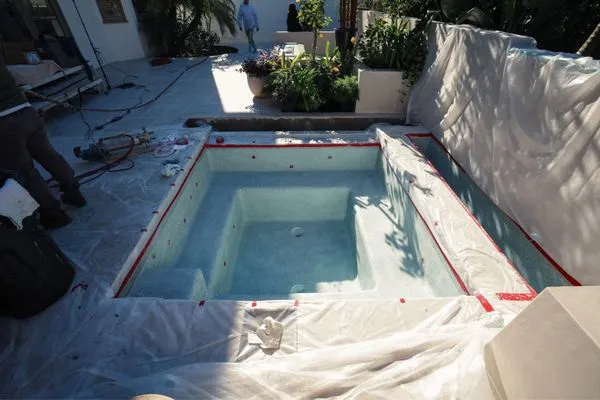
SM Brothers Landscape
SM Brothers Landscape Inc. is a licensed, bonded, and insured landscape construction company serving Santa Monica and West Los Angeles. Founded by brothers who grew up working in the industry, they ar...
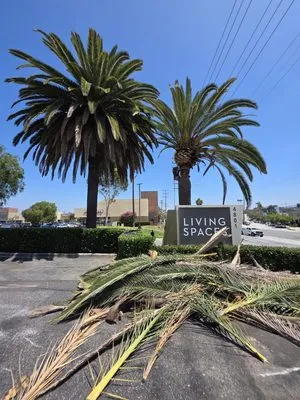
Eureka Floriculture & Installation is a family-owned landscaping and construction company serving Santa Monica and Greater West LA since 2016. Founded by family members with backgrounds in carpentry, ...
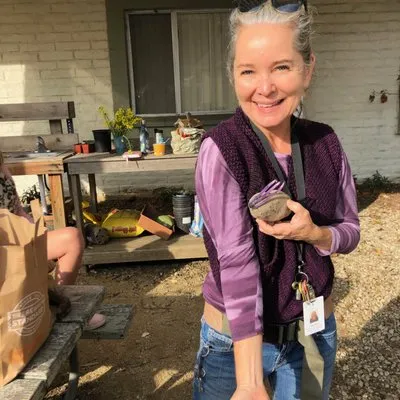
Arleen Ferrara, the founder of Satori Garden Design, brings a uniquely holistic perspective to landscaping in Santa Monica. Growing up in the agricultural San Joaquin Valley, her passion for sustainab...
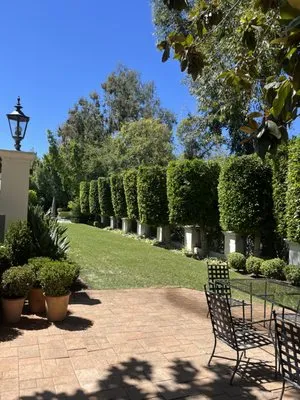
Garden Works Landscaping
Garden Works Landscaping has been a trusted Santa Monica landscaping partner since 2001, providing reliable residential and commercial services. As a family-operated business, we specialize in sustain...
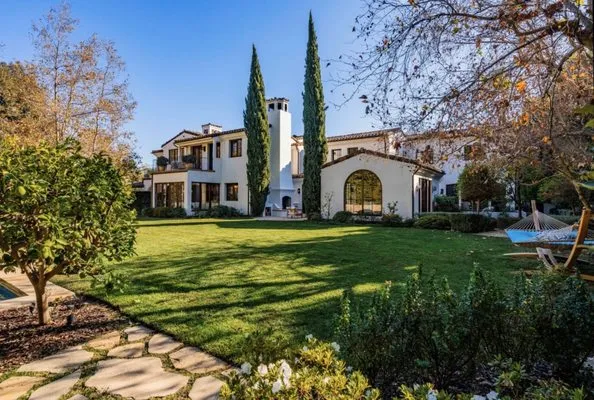
J&J Gardening
J&J Gardening is a family-owned landscaping and tree service business that has proudly served the Westside of Los Angeles for over 20 years. Based in Santa Monica, we offer comprehensive care for both...
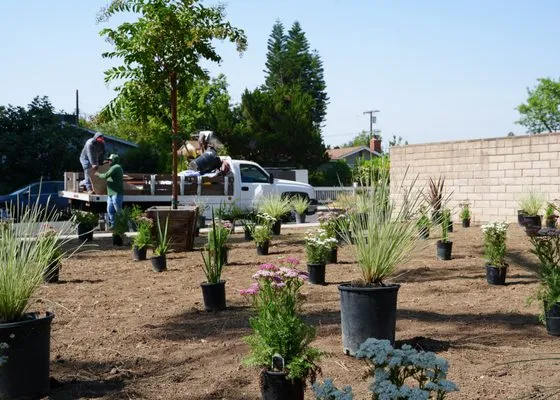
Barba Landscape is a Santa Monica-based landscaping company founded in 1996 by first-generation locals who are passionate about transforming outdoor spaces. As a hands-on owner deeply involved in ever...
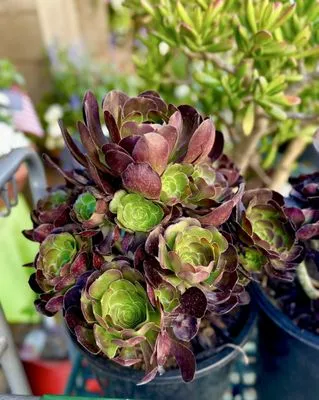
Armstrong Garden Centers
For over 130 years, Armstrong Garden Centers has been a trusted, employee-owned horticultural resource for California residents, including those in Santa Monica. Founded by John Armstrong, the company...
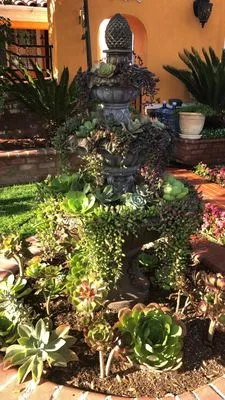
Castro Lawncare is a family-owned business serving Santa Monica with reliable lawn and tree care. Our approach is simple: we treat your property with the same care and respect we would our own. We und...

Green Horizon Landscape is a Santa Monica-based landscaping company dedicated to solving the unique challenges local homeowners face in our coastal climate. We specialize in addressing common issues l...
Common Questions
How quickly can you respond to emergency storm damage cleanup?
Our electric-only fleet maintains compliance with Santa Monica's noise ordinance while enabling rapid deployment. From our dispatch near Santa Monica Pier, we access Ocean Park via I-10 Santa Monica Freeway, typically arriving within 20-30 minutes during peak response scenarios. This routing avoids coastal congestion while ensuring immediate attention to downed branches or drainage emergencies. We prioritize safety assessments before commencing cleanup operations.
What solutions address pooling water in my yard after rains?
Impermeable coastal clay pockets common in Santa Monica's soil profile create localized runoff issues. Permeable concrete pavers installed with open-graded aggregate bases allow 3-5 inches per hour infiltration, meeting Santa Monica Planning and Community Development runoff standards. We design swales to direct water toward these permeable surfaces rather than traditional catch basins. This approach reduces erosion while recharging groundwater rather than overwhelming storm systems.
Why does my Ocean Park lawn struggle despite regular watering?
Santa Monica's alkaline sandy loam soil (pH 7.6-8.2) naturally limits nutrient availability, particularly iron and zinc. With neighborhood homes averaging 59 years since construction (2026 minus 1967 build year), decades of irrigation have likely compacted the soil profile and leached organic matter. Core aeration every 2-3 years combined with acidifying amendments like elemental sulfur can improve soil structure and nutrient uptake. This addresses the underlying cause rather than masking symptoms with excessive fertilization.
What permits and licensing are required for landscape grading?
Grading on Santa Monica's 0.12-acre lots requires Santa Monica Planning and Community Development approval for any cut/fill exceeding 50 cubic yards. California Contractors State License Board C-27 landscaping licenses mandate specific bonding and insurance for earthmoving operations. Unlicensed grading risks fines up to $5,000 per violation and may void property insurance during slope failures. Professional licensing ensures proper compaction testing and drainage engineering.
Can I maintain healthy turf under Stage 2 water restrictions?
Wi-Fi ET-based weather sensing controllers precisely match irrigation to actual evapotranspiration rates, reducing water use 20-40% compared to traditional schedules. For St. Augustine or Kurapia groundcover, we program deep, infrequent cycles that encourage deeper root growth and drought tolerance. These systems automatically adjust for Santa Monica's microclimates, maintaining turf health while staying well within voluntary conservation guidelines. Regular pressure checks and head alignment prevent runoff waste.
Are permeable pavers durable enough for driveway use?
Permeable concrete pavers withstand 8,000+ PSI loads with proper base preparation, outperforming wood's 15-25 year lifespan. Their interlocking design distributes weight evenly while allowing stormwater infiltration. For properties with Moderate Fire Wise ratings near urban-wildland interfaces, these non-combustible materials create defensible space without organic fuel sources. Their light-colored surfaces reduce heat island effect compared to asphalt or traditional concrete.
How do I control invasive species without chemical runoff?
Early detection of species like ice plant or fountain grass prevents establishment that requires herbicide intervention. Manual removal during moist soil conditions ensures complete root extraction. For persistent issues, targeted spot treatments using EPA-approved organic herbicides avoid nitrogen runoff prohibited under Clean Water Act compliance. We schedule applications outside Santa Monica's peak mulching season (November) to prevent chemical migration through fresh mulch layers.
What are low-maintenance alternatives to traditional lawns?
California poppy, Cleveland sage, deergrass, coast live oak, and California fuchsia form resilient native plant communities requiring minimal irrigation once established. These species support local pollinators while eliminating weekly mowing and gas-powered maintenance. Their deep root systems stabilize soil and improve permeability better than shallow turf roots. Transitioning to natives future-proofs your landscape against evolving noise ordinances and water restrictions.
