Top Landscaping Services in San Ramon, CA, 94506 | Compare & Call
There are 230 landscaping companies server in San Ramon CA
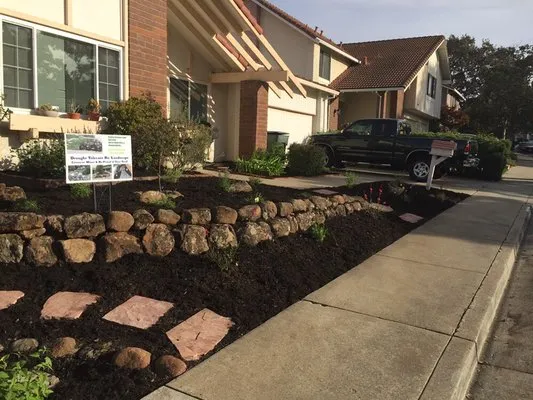
Aeratorman is a Pittsburg-based, family-owned landscaping business founded by Blair Nicholson, who grew up in nearby Clayton and learned the trade from his older brother. With years of professional ex...

G&M Landscape Services is a family-owned Pittsburg business built on over 30 years of hands-on experience. We handle every aspect of your project personally, from the initial consultation to the final...
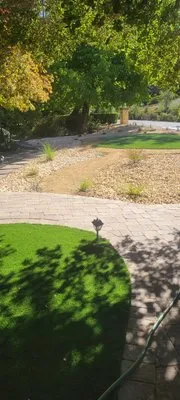
Olivarez Landscape is a full-service landscaping company serving Brentwood, CA, specializing in comprehensive outdoor solutions from design to maintenance. We address common local issues like mulch er...
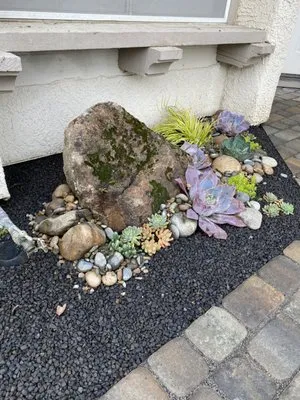
Traina Thought Landscapes is a local, family-owned landscape design and construction company serving Tracy, CA. Founded and operated by husband-and-wife team Jason and Kellen Traina, the company has b...
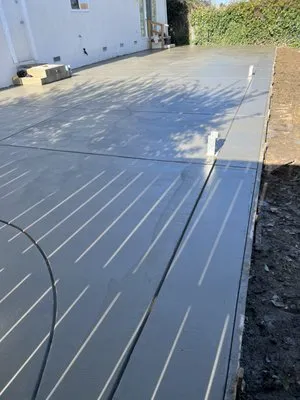
Tito's Concrete & Landscape is a family-owned business serving the Brentwood community with expert masonry and landscaping services. Founded on a commitment to quality and reliability, we specialize i...
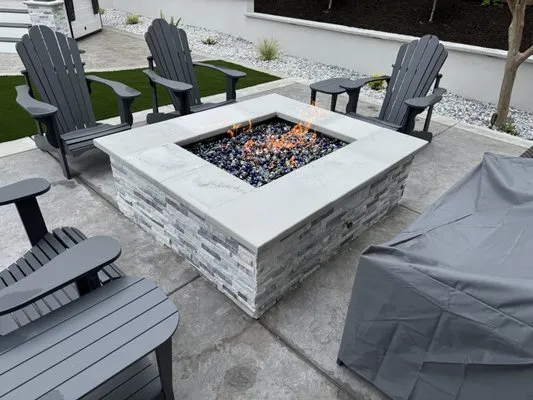
Armenta Landscape is a Brentwood-based landscaping company serving residential and commercial clients throughout the East Bay region. We specialize in comprehensive landscape construction and design, ...
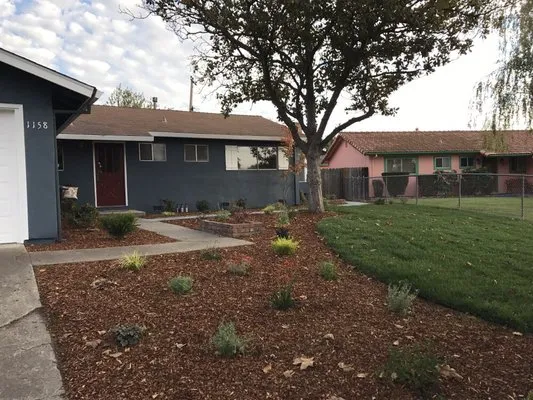
Eximius Landscaping, led by David, brings 35 years of Palo Alto and Peninsula expertise to every project. With a background supervising for a major Redwood City firm, David understands the quality and...

Cruz A+ Remodeling is a licensed home improvement contractor serving Hayward and the entire Northern California area. With license #1097607, we specialize in residential projects including kitchen and...
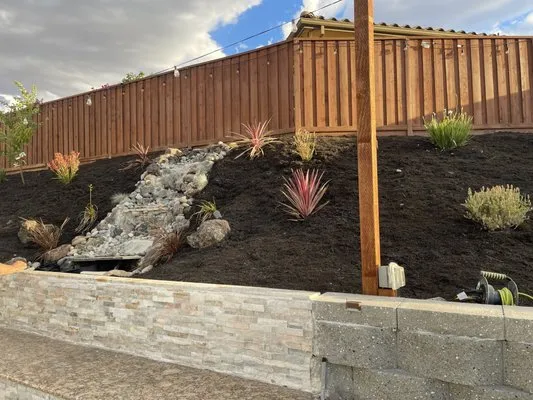
Empire Tree And Landscape Service is a family-owned and operated business that has been proudly serving Pittsburg and the wider Bay Area for over 25 years. We are rooted in the community, bringing dee...
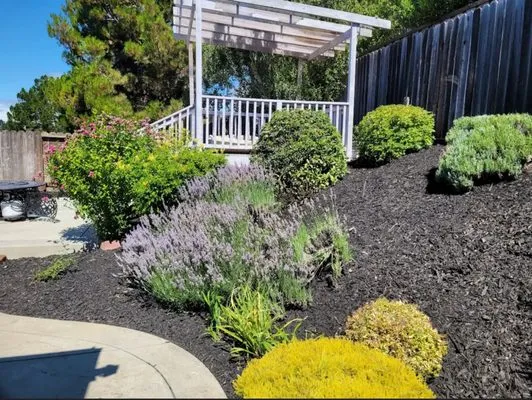
A.H. Maintenance is your local Bay Point landscaping partner, dedicated to transforming and caring for outdoor spaces in our community. Since our start in 2020, we've focused on providing reliable, pr...
Estimated Landscaping Service Costs in San Ramon, CA
Q&A
We're tired of weekly mowing and gas blower noise. Are there quieter, lower-maintenance landscape options for our yard?
Transitioning sections of high-input Tall Fescue to a native palette of Ceanothus, Western Redbud, and Purple Needlegrass dramatically reduces maintenance. These plants require no mowing, minimal summer water once established, and support local pollinators. This shift also future-proofs your property against tightening noise ordinances that restrict gas-powered blowers, aligning with the city's electric equipment mandate.
How can we keep our Tall Fescue lawn alive during Stage 2 water restrictions without wasting water?
Under Stage 2 mandates, an ET-based smart irrigation controller is essential. This technology uses local weather data to adjust runtime precisely, preventing overwatering common with fixed schedules. For clay-loam soils, we program for longer, less frequent cycles to encourage deep rooting and avoid runoff. This method often reduces water use by 20-30% while maintaining turf health.
Our neighborhood soil feels dense and compacted. Is this common for homes built around the same time as ours in Bollinger Hills?
Yes, this is typical for San Ramon subdivisions developed in the early 1990s. Homes built around 1993 often have clay-loam subsoils that were heavily compacted during construction. With over 30 years of maturation, the topsoil may still lack sufficient organic matter, leading to poor percolation. Core aeration and incorporating 3-4 inches of compost are critical to improve soil structure and support deeper root systems for your Tall Fescue.
Our yard has persistent puddling and we're worried about foundation issues from the expansive clay. What's the best long-term fix?
Persistent puddling indicates the high runoff hazard inherent to San Ramon's shrink-swell clay soils. The most effective solution integrates subsurface French drains with surface grading towards permeable concrete pavers. These pavers meet San Ramon Planning & Building Services' stormwater standards by allowing infiltration, thereby reducing hydrostatic pressure against your foundation and preventing costly structural movement.
We're considering a new patio but are concerned about fire safety and longevity. How do permeable concrete pavers compare to wood?
Permeable concrete pavers offer superior longevity and fire resistance compared to wood, a critical factor in San Ramon's Moderate Fire Wise rating zone. They provide a non-combustible, defensible space directly adjacent to the home, as recommended for WUI interfaces. Their durability in our clay-loam environment, with minimal heaving, and their stormwater management benefits make them a compliant and resilient choice.
We want to regrade our backyard for better drainage. What permits and contractor qualifications are required for a 0.22-acre lot?
Regrading a 0.22-acre lot in San Ramon typically requires an Erosion and Sediment Control plan from San Ramon Planning & Building Services. The contractor must hold a C-27 Landscaping license or a C-12 Earthwork license from the CSLB. This ensures they are bonded, insured, and knowledgeable about local codes governing runoff and soil disturbance, protecting you from liability and substandard work.
We have an urgent HOA compliance issue and need a crew on-site fast. What's your typical response time for an emergency cleanup?
For urgent HOA compliance in Bollinger Hills, our electric fleet can dispatch from our central hub near San Ramon Central Park. Using I-680, we maintain a peak storm response window of 25-35 minutes. This allows for rapid debris removal and turf repair to meet most covenant standards without violating the city's electric-only equipment mandate for commercial operations.
We've spotted invasive yellow star-thistle and don't want to harm our soil with harsh chemicals. What's the protocol?
For yellow star-thistle, manual removal before seed set is most effective. If herbicide is necessary for larger infestations, select a targeted, soil-neutral product and apply strictly outside the Regional Water Quality Control Board's stormwater discharge blackout dates to prevent runoff into the watershed. Always follow label instructions and consider a pre-emergent in fall to prevent germination in disturbed clay-loam areas.
