Top Landscaping Services in San Rafael, CA, 94901 | Compare & Call
There are 224 landscaping companies server in San Rafael CA
Cericola Dave Landscape Services is a trusted, locally-owned landscaping company serving homeowners throughout San Rafael. We understand the unique challenges of the area, such as rock gardens shiftin...

Let It Grow Landscaping in San Anselmo, CA, is a local landscaping service founded on permaculture principles, offering an urban-friendly approach to garden transformations and organic plant care. The...

For 35 years, McArdell Landscape, Inc. has been dedicated to enhancing outdoor living in Marin. Based in Ross, this experienced landscape contractor specializes in a comprehensive approach, integratin...
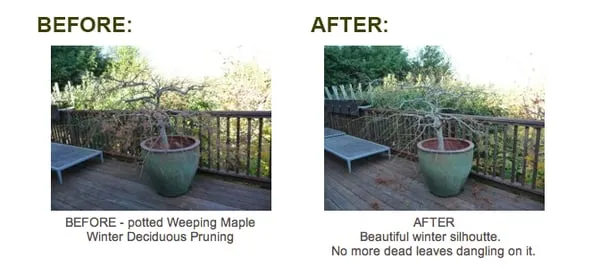
The Mindful Pruner, based in San Anselmo, CA, is a specialized tree and shrub care service led by Florence Schneider, a professionally-trained Aesthetic Pruner with certifications from Merritt College...
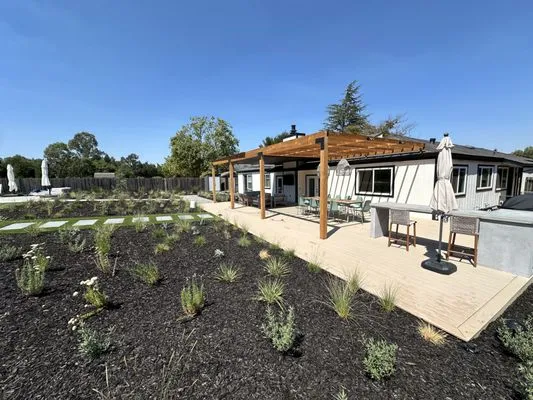
True Green Landscape has been a trusted name in Larkspur, CA, and the surrounding Marin County for over 25 years. We specialize in comprehensive outdoor transformations, combining skilled craftsmanshi...

Superior Landscapes is a trusted landscaping company serving San Rafael, CA, specializing in comprehensive outdoor construction and installation services. We focus on delivering high-quality work for ...
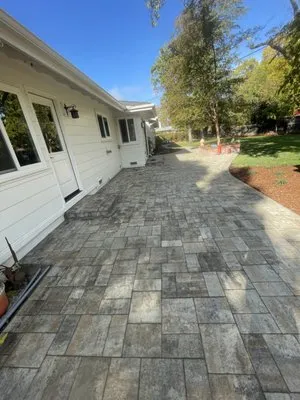
B P Lopez Landscape is a San Rafael-based landscaping contractor providing comprehensive services from design to maintenance for homes and businesses across Marin County. The team specializes in resol...
Jack's Gardens is a trusted local landscaping company serving San Rafael, CA, and surrounding Marin County communities. We specialize in diagnosing and fixing common residential landscaping problems t...
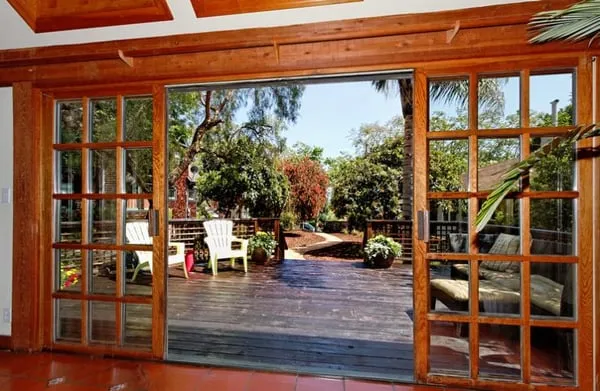
Lisa Kaiser founded Kaiser Gardens in San Anselmo, merging a graphic designer's eye for composition with a deep passion for nature. Her formal design training from institutions like UC Berkeley Extens...
Hightoned Maintenance has been providing reliable landscaping services to San Rafael and surrounding Marin County communities since 1994. As a licensed and insured local business, we specialize in bot...
Estimated Landscaping Service Costs in San Rafael, CA
Questions and Answers
An invasive vine is overtaking our hedge. How do we remove it without harming the bay?
First, identify the species; common alerts in this area include Ivy and Himalayan Blackberry. Manual removal of root crowns is most effective, followed by a targeted, phosphorus-free herbicide application if necessary, applied strictly according to label to avoid storm drain contamination. Treatment timing outside of rainy periods is critical to comply with local fertilizer ordinances and protect watershed health.
Our yard becomes a soggy mess and water pools against the foundation every winter. What's the solution?
This is a classic high runoff hazard on clay loam soils with poor percolation. The primary fix involves regrading to direct water away from structures and installing a French drain system. Replacing impervious surfaces with permeable concrete pavers also meets San Rafael Community Development Department's runoff standards by allowing water to infiltrate locally, reducing saturated soil creep and foundation risk.
We're adding a patio. Are permeable concrete pavers a better long-term choice than wood?
For longevity and compliance, permeable pavers are superior. They do not rot, warp, or require chemical treatments, unlike wood. In San Rafael's Moderate WUI Zone 2, they provide a non-combustible, defensible space material that meets Fire Wise standards. Their installation also mitigates the site's drainage hazard by managing runoff, whereas solid surfaces can exacerbate it.
How can I keep my Tall Fescue healthy under Stage 1 water conservation rules?
Under voluntary Stage 1 restrictions, precise irrigation is key. A Wi-Fi ET-based weather sensing controller is calibrated to apply water only when evapotranspiration data indicates a need, aligning with the 10-14 day mowing schedule for dwarf blends. This system prevents overwatering, which saturates clay loam, and keeps consumption within municipal guidelines by using real-time climate data rather than a fixed timer.
We need our sloped backyard regraded and terraced. What permits and contractor credentials are required?
Grading and retaining wall work on a 0.15-acre lot requires a permit from the San Rafael Community Development Department. The contractor must hold a C-27 Landscaping license or a C-12 Earthwork license from the California Contractors State License Board. This ensures they are bonded, insured, and understand soil engineering principles critical for stability on clay loam slopes, protecting you from liability and substandard work.
Our Gerstle Park yard has dense, sticky soil that repels water. Is this typical for older San Rafael homes?
Yes. Homes built around 1967, like many in Gerstle Park, sit on 59-year-old, unamended clay loam subsoils. Decades of foot traffic and minimal organic input have created a hardpan layer with low permeability. This mature soil profile requires core aeration and the incorporation of compost to improve structure and water infiltration, moving it beyond its native 6.5-7.2 pH range into a more biologically active state.
A storm caused a tree limb to block our driveway. What's the fastest emergency response time?
For urgent HOA compliance or safety issues, our crew dispatch from San Rafael City Hall via US-101 allows for a 25-35 minute peak arrival to Gerstle Park. This travel time accounts for traffic and on-site hazard assessment. We operate an electric-only fleet, complying with local noise ordinances, which streamlines access without operational restrictions during critical response windows.
I want to reduce mowing, water use, and noise. Is there a landscape alternative that addresses all three?
Transitioning from high-input turf to a landscape of California Poppy, Coast Live Oak, Ceanothus, Toyon, and Purple Sage directly addresses these goals. This native plant palette requires no mowing, minimal irrigation once established, and eliminates the need for gas-powered blowers, aligning with the electric equipment ordinance. It creates a resilient, biodiverse habitat that is ahead of evolving water and maintenance regulations.
