Top Landscaping Services in San Pedro, CA, 90731 | Compare & Call

Jonakee Landscaping
Jonakee Landscaping is a family-owned business in San Pedro, California, with over 30 years of experience serving the South Bay Area. Founded by an owner who grew up working with gardens in Mexico and...
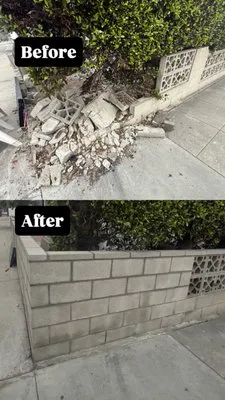
SH Landscaping, Inc. is a family-owned and operated landscape contracting business rooted in San Pedro. With over 20 years of combined local experience, founder Saul Hernandez Jr. is a third-generatio...

Landscape The Cat is a San Pedro-based landscaping service dedicated to a unique, personal approach. We believe in making a tangible difference in your outdoor space, moving beyond standard maintenanc...
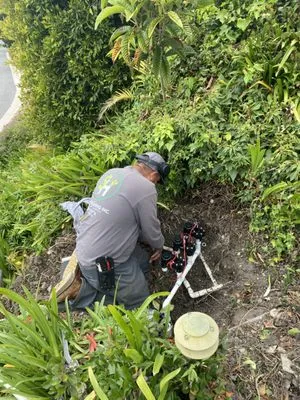
Harbor Landscaping is a trusted, locally-owned landscaping company serving San Pedro, CA. We understand the specific challenges homeowners face in our coastal community, from unreliable irrigation tim...
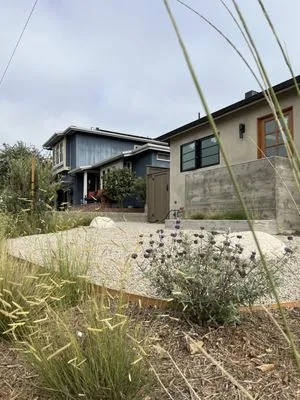
At Vista Dulce, we believe in creating beautiful, resilient landscapes that belong in San Pedro and the South Bay. Our journey began with a commitment to sustainability through the Surfrider Foundatio...
Bill's Landscaping is a San Pedro family-run business with deep roots in the community, operating since 1968. What started as a gardening service has grown into a licensed contracting company speciali...
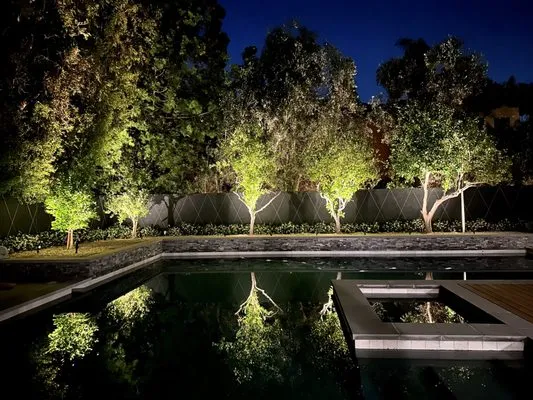
Urban Organics Design, Inc
Urban Organics Design, Inc. is a full-service landscape design and build firm based in San Pedro, CA. Founded in 2003 by UC Berkeley graduate Nick, the company has evolved from a design-focused practi...
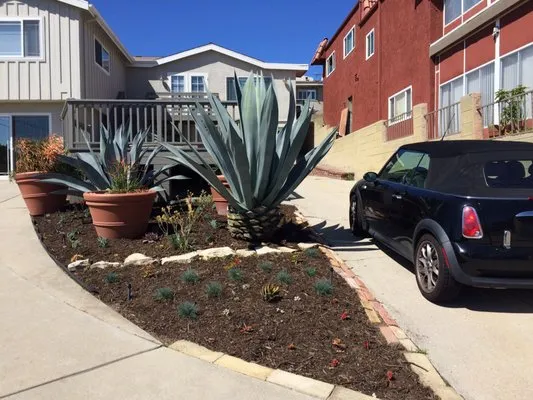
LaForest Landscaping, a trusted name in San Pedro since 1989, builds enduring beauty for local homes. The team specializes in creating custom landscapes, functional hardscapes, and efficient irrigatio...
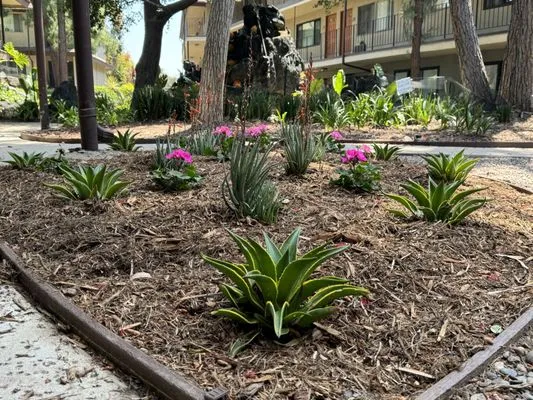
Tropicana Landscape is a full-service landscaping company based in San Pedro, serving residential and commercial clients across Riverside, Los Angeles, and Orange Counties. We take a proactive, compre...

Gaudenti & Sons
Gaudenti & Sons has been a trusted landscaping partner for San Pedro residents for over 50 years, specializing in creating and maintaining beautiful, functional outdoor spaces. With deep roots in the ...
Q&A
Are permeable pavers a better choice than wood decking for a patio near brush?
For longevity and fire safety, permeable concrete pavers are superior. Unlike wood, they are non-combustible and require no sealing or replacement from rot. Their installation creates a definitive, defensible space that supports the Moderate Fire Wise rating for this WUI buffer zone. The permeability also manages runoff effectively, making them a durable, low-maintenance, and code-appropriate choice for coastal lots.
What permits and qualifications are needed to regrade and replant my 0.14-acre lot?
Significant grading or earthwork on a 0.14-acre lot typically requires a permit from the Los Angeles Department of Building and Safety to ensure proper drainage and slope stability. The contractor must hold a valid C-27 Landscaping license from the California Contractors State License Board. For projects involving retaining walls over a certain height or major drainage structures, additional engineering and a C-61/D-06 Concrete license may be legally mandated.
My garden soil seems compacted and lifeless. Is this just how coastal soil is?
Soil maturity in Coastal San Pedro's 1957-era lots is approximately 69 years, and persistent compaction is a common legacy. The prevalent alkaline sandy loam naturally lacks organic structure, leading to poor percolation and root development. Core aeration combined with a 3-inch application of composted organic matter is recommended to lower pH, improve water retention, and rebuild soil biology. This addresses the inherent low fertility and prepares the ground for sustainable planting.
Can I keep my St. Augustine lawn healthy under Stage 2 water restrictions?
Yes, with precise management. Smart Wi-Fi ET-based irrigation systems are critical, as they adjust schedules in real-time based on local evapotranspiration data from weather stations. This technology applies water only when the turf needs it, minimizing waste while maintaining turf health. Properly calibrated, such a system can keep St. Augustine viable while operating well within voluntary conservation limits, preventing stress and dormancy.
My yard on the bluff has pooling and runoff issues. What's a long-term solution?
Salt-laden runoff and erosion are significant hazards here. The solution integrates grading to direct water away from structures and the use of permeable concrete pavers for any hardscape. These pavers allow water to infiltrate the alkaline sandy loam, reducing surface flow and filtering contaminants. This approach often meets Los Angeles Department of Building and Safety standards for on-site stormwater management and mitigates bluff erosion.
I've spotted invasive grasses. How do I treat them without harming my garden or breaking rules?
Early identification and manual removal are key for invaders like Bermuda grass seedlings. For established patches, targeted, state-compliant low-nitrate herbicide applications may be necessary, strictly following label instructions and avoiding blackout dates per local fertilizer ordinances. Post-removal, amending soil and planting dense natives like California Poppy helps outcompete future weeds, restoring ecological balance safely.
How quickly can a crew respond for an urgent HOA compliance cleanup after a windstorm?
A dedicated emergency cleanup crew can be dispatched from the Point Fermin Park area. Routing via I-110 allows for a peak response time of 25-40 minutes, depending on traffic conditions. The crew utilizes electric-only equipment to comply with local noise ordinances, ensuring immediate debris removal, branch trimming, and site stabilization to meet compliance deadlines without disruption.
What's a low-maintenance alternative to my high-water lawn that also reduces noise?
Transitioning to a climate-adaptive xeriscape with natives like Deergrass, White Sage, Toyon, and Coast Sunflower is advised. These plants require minimal water once established and no weekly mowing or blowing. This proactively aligns with electric-only equipment mandates by eliminating the need for gas-powered maintenance. The resulting habitat supports local biodiversity and provides year-round visual interest with minimal inputs.
