Top Landscaping Services in San Marino, CA, 91106 | Compare & Call
There are 230 landscaping companies server in San Marino CA
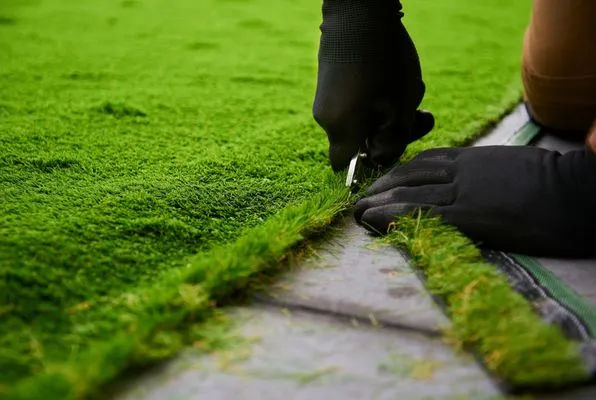
ACL Artificial Grass and Turf is a family-owned Pomona landscaping company with over 25 years of local experience. We specialize in creating beautiful, low-maintenance outdoor spaces using premium art...
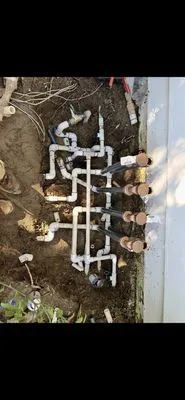
First Rate Irrigation has been serving Los Angeles for over a decade, providing reliable irrigation and landscaping solutions. We specialize in sprinkler and drip irrigation installation, repair, and ...
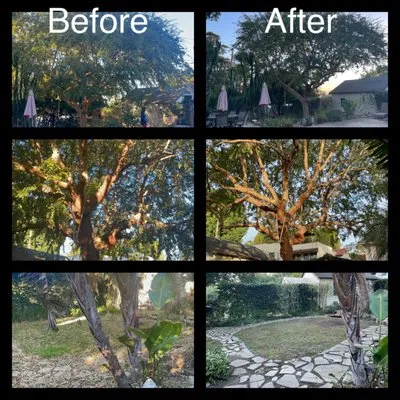
Infinitree Services is a locally owned and operated landscaping and tree care provider in Altadena, led by certified arborists with deep roots in the community. We focus on the health and longevity of...
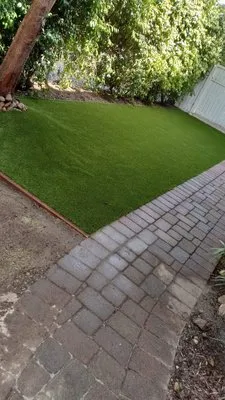
Cazcam Landscaping Service is a full-service landscaping contractor based in East Los Angeles, CA. We specialize in transforming local outdoor spaces with services ranging from artificial turf install...
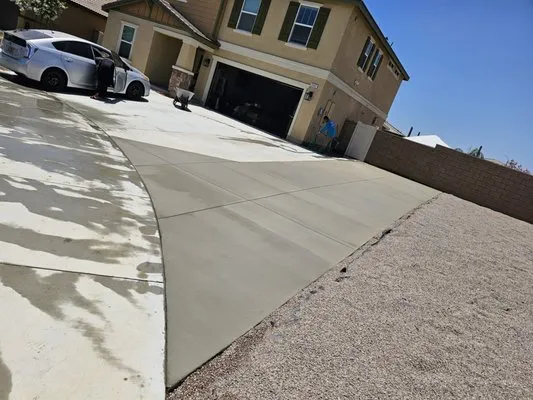
Landscaping Manguito is a trusted, family-operated landscaping and masonry company serving Montebello and the surrounding communities. We combine expert craftsmanship with a deep understanding of loca...
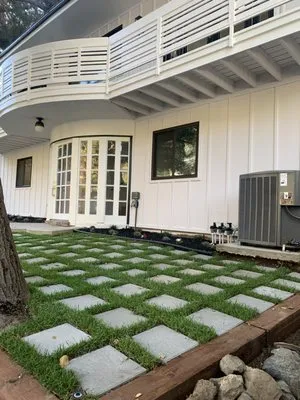
Green Oak Landscaping is a Whittier-based landscaping company dedicated to transforming outdoor spaces into functional, beautiful environments that thrive in Southern California's climate. With a team...
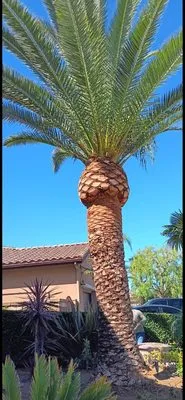
Rigoberto's Landscape Services is a trusted, family-owned business serving El Monte and the surrounding communities for over three decades. We specialize in transforming residential properties with co...
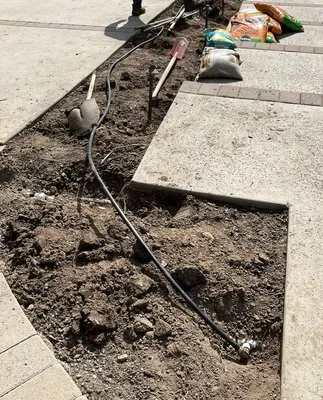
As a native Angeleno, Bloom by Lola was born from childhood summers spent in my grandmother's garden, where getting our hands dirty and watching flowers bloom created my lifelong happy place. That pas...
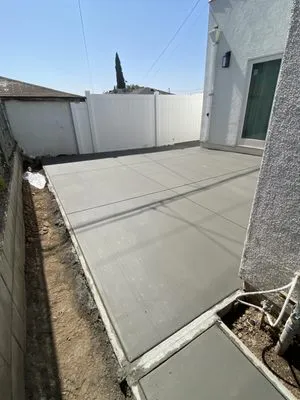
Jesus Rivera Landscape is a trusted Pasadena-based landscaping company specializing in comprehensive garden and outdoor solutions. With services ranging from gardening and irrigation design to landsca...
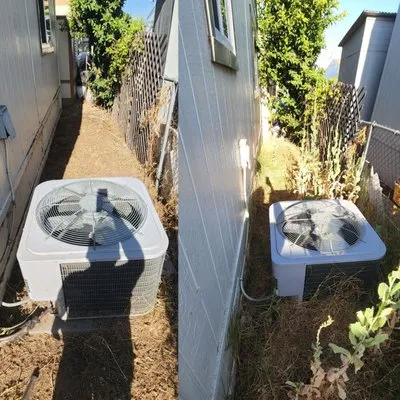
Golden State Tree Service has been serving Glendora and the surrounding 30-mile area since 1997, providing reliable tree care and landscaping solutions. As a licensed contractor (Lic#932033), we speci...
Estimated Landscaping Service Costs in San Marino, CA
FAQs
How do I control invasive species without violating fertilizer ordinances?
Targeted manual removal of invasive grasses precedes application of mycorrhizae-enhanced compost tea. This biological approach suppresses weed germination while building soil health, avoiding synthetic chemicals restricted by nutrient runoff protocols. Treatment timing aligns with mid-February mulching peaks when soil temperatures support microbial activity. Regular monitoring prevents reestablishment without triggering ordinance violations during blackout periods.
How quickly can you respond to emergency storm damage for HOA compliance?
Emergency cleanup crews dispatch from The Huntington Library via I-210 to Huntington Estates within 25-35 minutes during peak conditions. We maintain electric equipment fleets that comply with gas-powered blower prohibitions while handling debris removal. This rapid response meets most HOA 72-hour cleanup requirements following wind events or heavy rainfall in our moderate fire risk zone.
Why does my soil feel compacted and drain poorly compared to newer neighborhoods?
San Marino's Huntington Estates lots average 83 years of development, creating mature alkaline sandy loam soil with pH 7.5-8.2. Decades of irrigation and foot traffic have reduced permeability through clay-heavy subsoil compaction. Core aeration with organic amendments like composted arborist chips improves soil structure and microbial activity. This addresses the low organic matter typical in older residential soils while maintaining proper drainage.
What solutions prevent runoff issues in our alkaline sandy loam soil?
Moderate runoff in San Marino's clay-heavy subsoil requires permeability-focused design. Permeable concrete pavers installed with 3/8-inch joints and gravel bases allow 4-8 inches per hour infiltration rates. This exceeds San Marino Planning Department standards while preventing erosion on sloped lots. French drains connected to dry wells provide secondary protection during intense rainfall events common in USDA Zone 10a.
Can I maintain healthy turf while following Stage 2 water restrictions?
Wi-Fi ET-based weather sensing controllers optimize Tall Fescue irrigation by calculating actual evapotranspiration rates. These systems adjust watering schedules daily based on microclimate data, reducing consumption 20-30% while preserving turf health. Programming separate zones for sun exposure variations prevents overwatering clay-heavy subsoil areas. This approach meets municipal conservation targets without compromising established root systems.
What permits and licenses are required for grading my 0.35-acre property?
The San Marino Planning and Building Department requires grading permits for soil movement exceeding 50 cubic yards on 0.35-acre lots. Contractors must hold CSLB A-General Engineering or C-27 Landscaping licenses with grading endorsements. These ensure proper slope calculations and erosion control measures that protect neighboring properties. Unlicensed grading risks substantial fines and voided insurance coverage in this jurisdiction.
Are permeable pavers better than wood for fire-resistant landscaping?
Permeable concrete pavers provide non-combustible defensible space critical in moderate WUI zones. Their 40+ year lifespan outperforms wood's 15-year maximum in alkaline soils. Proper installation creates firebreaks while managing runoff through 30% void spaces. This hardscape solution meets both fire safety and drainage requirements without the maintenance demands of treated lumber in our climate.
Should I replace high-maintenance turf with native plants?
Transitioning to California Poppy, Cleveland Sage, and Toyon reduces water needs 60-80% while supporting local pollinators. Deergrass and Coast Live Oak provide structure with minimal pruning requirements. This xeriscaping approach eliminates weekly mowing and complies with electric equipment mandates. Native plant communities establish self-sustaining ecosystems that thrive in alkaline pH 7.5-8.2 soils without chemical inputs.
