Top Landscaping Services in San Leandro, CA, 94577 | Compare & Call

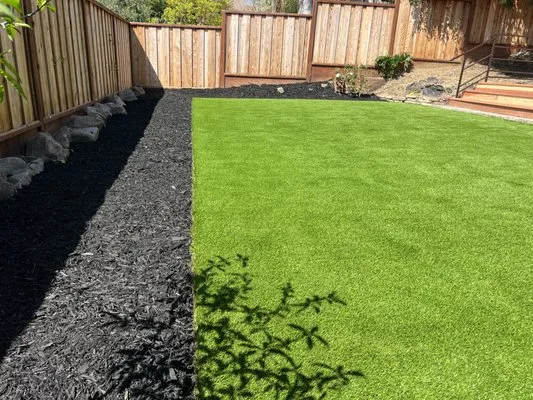
Lucky Star Landscaping
Lucky Star Landscaping is a licensed and bonded landscaping company serving San Leandro and the wider Bay Area. With over a decade of local experience, we specialize in transforming residential yards ...
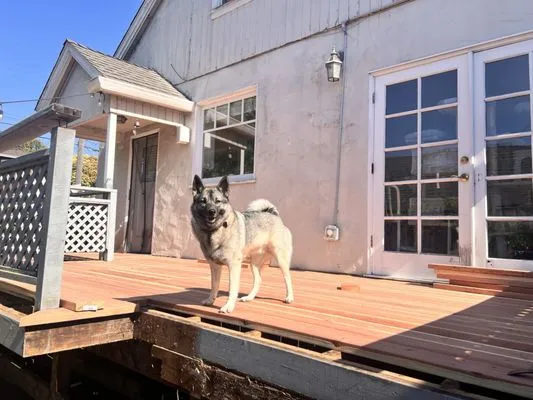
Garcia Fencing Landscaping & Tree Service
Garcia Fencing Landscaping & Tree Service is a family-owned and operated business proudly serving the San Leandro community. With over two decades of hands-on experience, we specialize in creating and...

Cruz Landscaping is your trusted local partner in San Leandro for creating and maintaining beautiful, resilient outdoor spaces. We specialize in resolving common East Bay landscaping challenges like b...
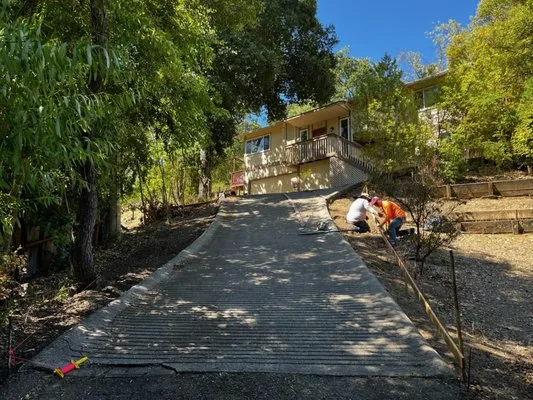
Bay Area Sustainable Landscaping
Founded in 1989, Bay Area Sustainable Landscaping is a family-owned business rooted in San Leandro, built on decades of hands-on experience and a stable team that works together seamlessly. We special...
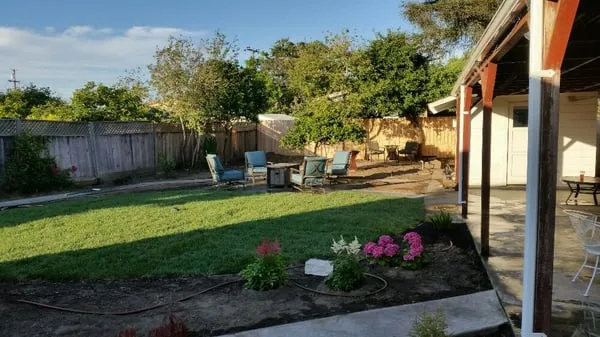
The Garden Girls is a residential landscaping company in San Leandro, founded on a passion for gardens and a commitment to quality. The name was inspired by two little girls' exclamation, perfectly ca...
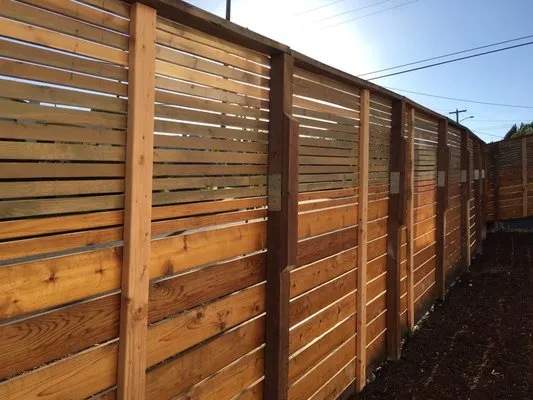
Liberty Landscaping & Construction Inc is a trusted San Leandro contractor specializing in both general construction and landscaping services. We understand the unique challenges local homeowners face...
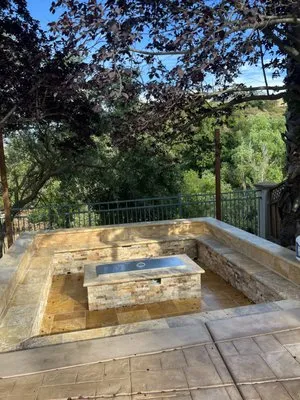
Eagle Concrete is a San Leandro-based contractor specializing in masonry, concrete, and landscaping services. We provide durable solutions for residential and commercial properties, including artifici...
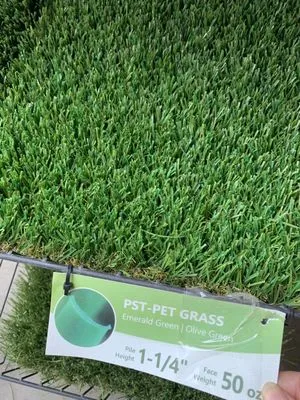
SiteOne Landscape Supply
SiteOne Landscape Supply in San Leandro, CA, is your local headquarters for professional-grade landscaping solutions. Serving homeowners and contractors in the East Bay, we understand the common chall...
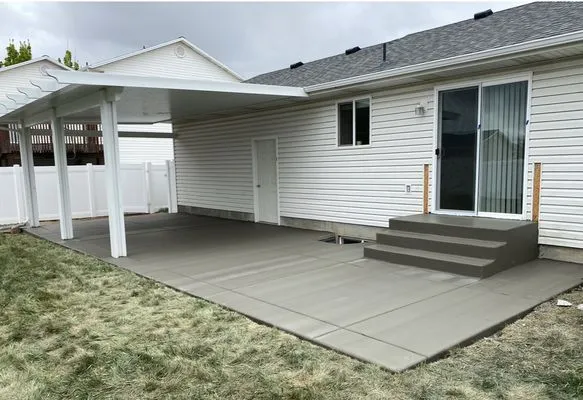
CW Construction is a San Leandro-based contractor specializing in masonry, concrete, landscaping, and demolition services. We help local homeowners address common landscaping challenges like slope ero...
Lee Huls brings a lifetime of diverse mastery to L Huls Designs in San Leandro. Growing up in the Mojave desert fostered a deep appreciation for living greenery, which led to a winding path through ed...
Questions and Answers
Our 1950s Broadmoor neighborhood yard seems to have hard, compacted soil that nothing grows in well. Why is that?
San Leandro's Broadmoor neighborhood was largely developed in 1959, meaning the soil in your yard has had over 65 years of settling and compaction. The prevalent clay loam soil has very low permeability, which restricts root growth and water infiltration. This compaction is a primary cause of poor lawn health and seasonal ponding. Core aeration and the addition of 3-4 inches of composted organic matter are critical first steps to rebuild soil structure and biology.
We're replacing a wooden deck. Is permeable concrete a better option for our area?
Permeable concrete pavers offer superior longevity and lower lifetime maintenance compared to wood in our Mediterranean climate. They do not rot, warp, or require chemical sealing. From a fire safety perspective, their non-combustible nature contributes directly to creating the defensible space required in San Leandro's Moderate Fire Hazard Severity Zone. Their permeability also mitigates runoff, adding a critical drainage function.
Our backyard has a low spot that turns into a muddy pond every winter. What's a permanent fix?
Seasonal ponding is a direct result of the high clay content in San Leandro's soil, which dramatically slows percolation. A graded French drain system channeling water to a dry well or daylight is the standard engineering solution. For any new patios or walkways, specify permeable concrete pavers. These systems manage runoff on-site and help properties comply with the San Leandro Community Development Department's stormwater management requirements.
With Stage 1 water conservation in effect, how can we keep our Tall Fescue lawn alive without wasting water?
Modern smart irrigation controllers are the solution. These Wi-Fi ET-based systems use local weather station data to apply precisely the water lost to evapotranspiration, eliminating overwatering. For Tall Fescue in Zone 10a, this typically means 2-3 deep watering sessions per week during peak summer, adjusted automatically for coastal fog and rain. This technology is the most reliable method to maintain turf health while adhering strictly to municipal water budgets.
We have a major storm-damaged tree and need an emergency cleanup crew. How fast can a licensed team get here?
A certified arborist and crew can typically be dispatched from the San Leandro Marina area within the hour. The primary route utilizes I-580, providing direct access to the Broadmoor neighborhood. During peak storm response, anticipate a travel time of 25-35 minutes. We coordinate directly with the city's Public Works department to ensure right-of-way clearance for urgent hazard removal.
We're tired of the weekly mowing and gas blower noise. What's a quieter, lower-maintenance alternative to our lawn?
Transitioning to a climate-adaptive landscape with native plants like Deergrass, White Sage, and Toyon eliminates weekly mowing and drastically reduces water use. This approach aligns with the city's electric-only equipment mandate, as these plantings require minimal maintenance, often just an annual pruning with quiet electric tools. The resulting habitat also supports local biodiversity, moving beyond outdated turf standards.
What do we need to know about permits and licenses before starting a major landscaping regrade?
Any significant grading or drainage work on a 0.15-acre lot requires a permit from the San Leandro Community Development Department to ensure proper erosion control and engineering. The contractor must hold a C-27 Landscaping license from the California Contractors State License Board (CSLB). This license is legally required for projects involving fixed construction, irrigation systems, or changes to land contours, protecting you from liability and substandard work.
We've spotted invasive Oxalis and Bermuda grass in our planting beds. How do we treat it safely?
Selective, manual removal is the first defense against invasive species like Oxalis and Bermuda grass. For persistent issues, targeted spot treatments with approved herbicides must be carefully timed. Application is prohibited during the Regional Water Quality Control Board's wet-season blackout dates to prevent stormwater runoff contamination. A consistent pre-emergent and mulching regimen in early March is the most effective cultural control.
