Top Landscaping Services in San Dimas, CA, 91724 | Compare & Call


For over 30 years, Drost Landscaping has been a trusted family-owned business dedicated to transforming and maintaining outdoor spaces throughout the San Gabriel Valley. Based in San Dimas, we build l...
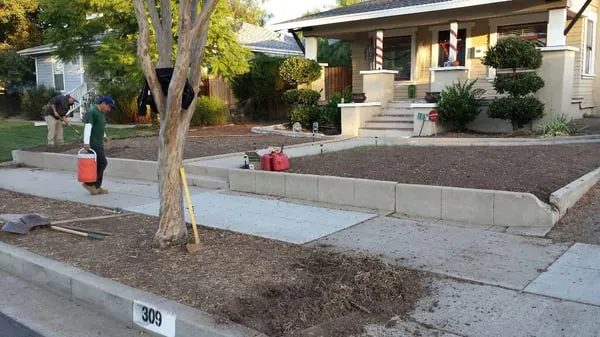
Rojas Gardening Services is a family-owned landscaping business serving San Dimas and surrounding communities for over 15 years. Founded with expertise passed down through generations, we specialize i...
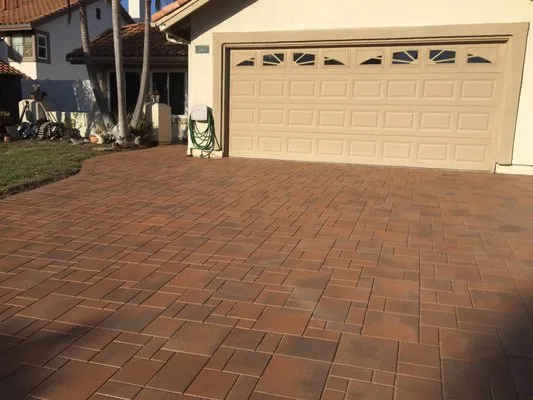
Renaissance Paving is a San Dimas-based masonry and landscaping company specializing in transforming outdoor spaces with durable, custom-designed hardscaping solutions. With over 15 years of hands-on ...
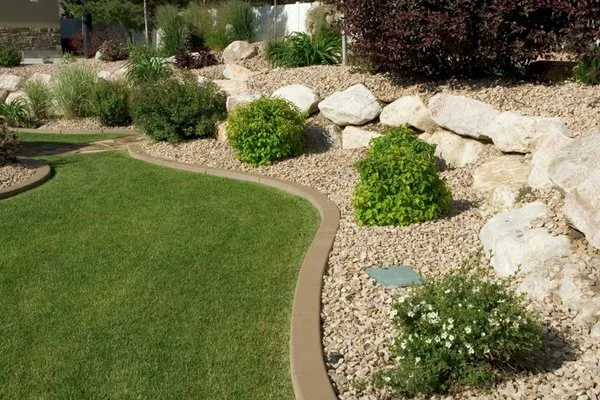
Soluciones Green Scape is a full-service landscaping company serving San Dimas, CA, specializing in creating and maintaining beautiful, resilient outdoor spaces. We understand that San Dimas homeowner...

Barrios L & Associates has been a trusted landscaping and tree services provider in San Dimas since 1968. We specialize in comprehensive outdoor solutions for residential, commercial, and public proje...
First Choice Landscape
First Choice Landscape is a trusted San Dimas-based landscaping and irrigation company serving homeowners throughout the local community. We specialize in comprehensive solutions that directly address...

Americam Made Landscaping is a full-service landscape contractor serving San Dimas, CA, dedicated to creating and maintaining beautiful, functional outdoor spaces. We understand the common local chall...
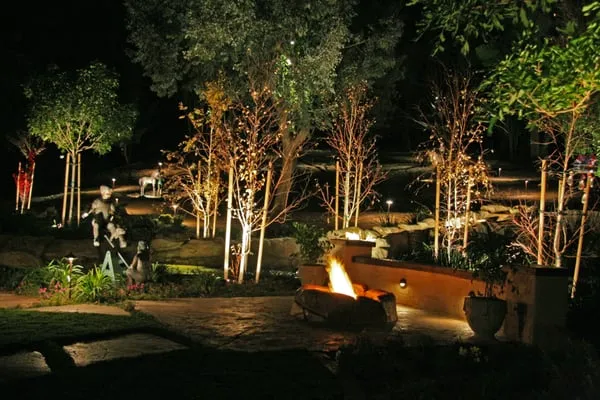
Gene Campbell has been the hands-on owner and operator of Campbell Landscapes in San Dimas since founding the family business in 1979. Starting with maintenance, he grew the company to include full-sc...
Daniel Ramirez Landscaping is a trusted local landscaping company serving San Dimas, CA, and the surrounding areas. With years of hands-on experience, Daniel and his team specialize in creating and ma...
Landscape Design & Rendering is a San Dimas-based firm dedicated to creating beautiful, durable, and functional outdoor spaces for local residents. We specialize in detailed landscape design and photo...
Questions and Answers
Why does the soil in our Via Verde neighborhood seem so compacted and lifeless, even after years of gardening?
San Dimas, particularly in established neighborhoods like Via Verde, was largely developed in the 1970s. With an average home age of 1975, your soil has been in place for over 50 years, a period of significant maturation. The prevalent alkaline sandy loam naturally compacts and loses organic matter over decades without intervention. This compaction reduces soil percolation, directly contributing to the high runoff hazard noted in the area. Core aeration and the incorporation of high-quality compost are essential to rebuild soil structure and microbial life.
We want to reduce mowing, blowing, and watering. What's a truly low-input landscape option for San Dimas?
Transitioning to a climate-adapted native palette is the most effective strategy for reducing inputs. Replace high-maintenance turf with layered plantings of Cleveland Sage, White Sage, Toyon, and Deergrass. These species are adapted to our Zone 10a climate, alkaline soils, and natural drought cycles, requiring minimal irrigation once established. This approach drastically reduces or eliminates the need for weekly mowing and the use of gas-powered blowers, keeping you ahead of tightening noise and emissions regulations. It also enhances local biodiversity far beyond a monoculture turf lawn.
Is a wooden deck or a paver patio better for longevity and fire safety in our area?
For longevity and fire safety in San Dimas's High Fire Wise rating zone, permeable concrete pavers are the superior choice. Unlike wood, which requires constant sealing and is combustible, pavers are inherently non-flammable and provide a permanent, zero-maintenance surface. When installed correctly with a compacted base, they create a stable, level hardscape that contributes to your home's defensible space. This material also aids in managing the site's runoff potential, an often-overlooked benefit in our climate.
We have an HOA compliance deadline this weekend for overgrowth. How quickly can you dispatch a crew for an emergency cleanup?
For urgent HOA compliance work, we can typically mobilize a crew within the same day. Our dispatch logic prioritizes the Via Verde area from our central staging near San Dimas Canyon Park. The primary route utilizes State Route 57, which allows for a reliable 20-30 minute arrival window, even during peak traffic periods. Our electric maintenance equipment ensures we can begin work immediately upon arrival without violating local noise ordinances.
Our yard has significant slope erosion and pooling after rains. What's the best long-term fix for our soil type?
Slope erosion in alkaline sandy loam is a common issue due to its low aggregate stability when bare. The long-term fix is a multi-pronged approach: first, regrade to redirect water flow into a stable drainage course. Next, install a French drain lined with gravel and filter fabric to capture subsurface water. Finally, cover all disturbed soil with a coarse, fibrous mulch and establish a deep-rooted, native groundcover like Deergrass to bind the soil. This combination addresses both surface sheet flow and subsurface saturation.
We want to regrade our backyard for better drainage. What permits and contractor qualifications are needed for a 0.22-acre lot?
Regrading a 0.22-acre lot in San Dimas typically requires a permit from the San Dimas Planning Department, as it alters the land's contour and drainage patterns. The key legal requirement is hiring a contractor holding a valid C-27 Landscaping license or a C-12 Earthwork and Paving license from the California Contractors State License Board (CSLB). This licensing ensures the professional has the expertise to execute the grading plan correctly, manage soil compaction, and implement erosion controls during work, which are all critical for preventing downstream sedimentation and complying with state NPDES regulations.
We've spotted what looks like invasive Bermuda grass or possibly yellow starthistle in our native bed. How should we handle it?
Early and correct identification is critical for invasive species management. For grassy weeds like Bermuda invading planting beds, careful, targeted hand-pulling or the use of a precise, organic-grade vinegar herbicide may be effective. For broadleaf invasives like yellow starthistle, manual removal before seed set is essential. Any treatment must comply with the Statewide Urban Water Runoff Regulations (NPDES), which prohibit certain chemical applications before forecasted rain. We recommend consulting a CSLB-licensed applicator to ensure methods are safe, legal, and effective for your specific situation.
With Stage 2 water restrictions, how can we keep our TifTuf Bermuda lawn healthy without wasting water?
Stage 2 restrictions require precise management, which is achievable with modern technology. TifTuf Bermuda is a drought-tolerant cultivar, but its health depends on accurate watering. A Wi-Fi ET-based smart irrigation controller is the solution; it automatically adjusts schedules based on real-time evapotranspiration data from local weather stations. This system applies water only when the turf needs it, eliminating runoff and overwatering. This method is the most effective way to maintain turf quality while adhering strictly to municipal water budgets.
