Top Landscaping Services in San Bernardino, CA, 92324 | Compare & Call

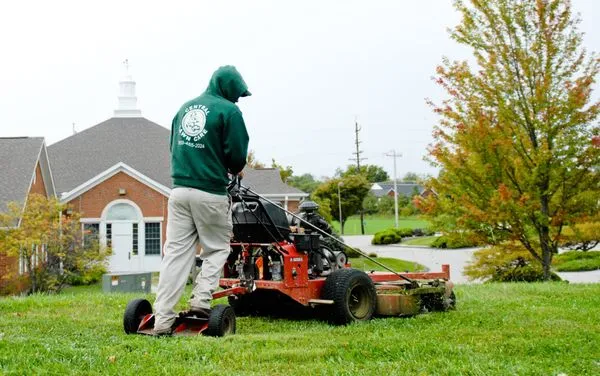
END Landscaping is a locally owned and operated landscape partner for San Bernardino homeowners and businesses. Since 2014, we've focused on creating and maintaining functional, beautiful outdoor spac...
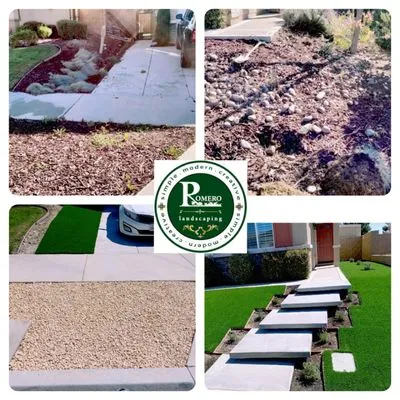
Hello, I'm José Romero, the owner of Romero Landscaping. With over six years of dedicated experience and a portfolio of five-star reviews, my team and I specialize in comprehensive landscaping and har...
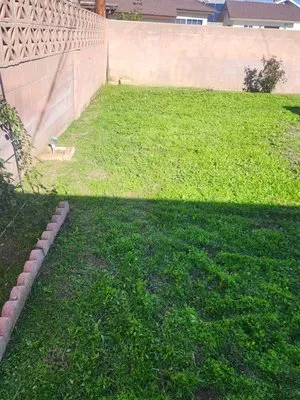
Vili Gomez brings over two decades of gardening expertise to San Bernardino through his family-owned business. Specializing in comprehensive landscaping services—from earthmoving and irrigation to tre...
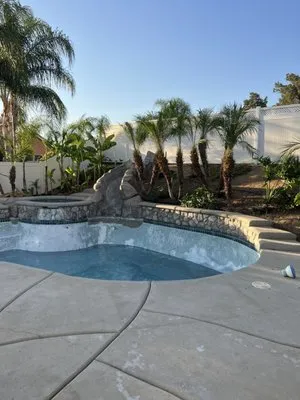
Simple Lawn Service is a family-owned and operated business based in the Inland Empire, founded by Marques Blackman with years of landscaping experience. We provide reliable residential and commercial...
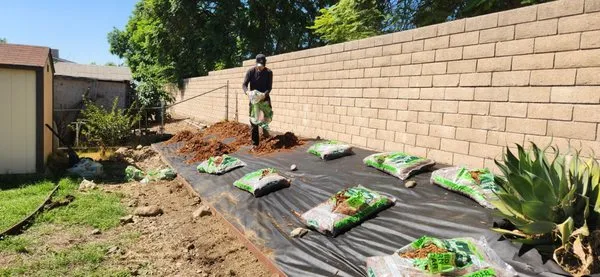
Trailstone Hardscaping
Trailstone Hardscaping is a San Bernardino-based, family-owned business built on a genuine passion for transforming outdoor spaces. Founded by a dedicated 21-year-old father and disabled business owne...

Noriega Landscaping
Noriega Landscaping is a San Bernardino-based company specializing in creating beautiful and functional outdoor environments. We provide a comprehensive suite of services, including landscape design, ...
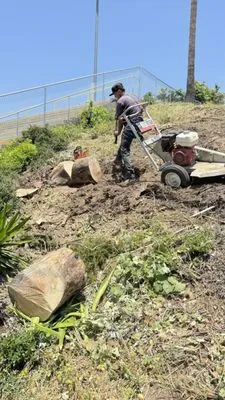
H & R Gardening and Landscaping is a cornerstone of the San Bernardino community, built on over 22 years of dedicated service and local horticultural expertise. Founded by Hugo M., a valuable team mem...
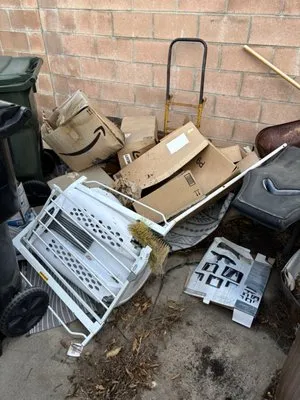
Lio's Tree Service is your trusted local partner for a beautiful, functional, and healthy outdoor space in San Bernardino. We provide comprehensive tree care, landscaping, and hardscaping services to ...
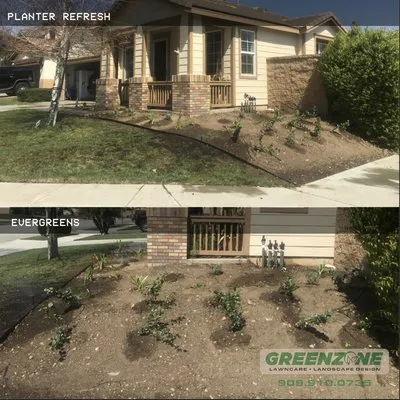
GreenZone Lawncare & Landscaping provides comprehensive lawn, tree, and irrigation services for San Bernardino homeowners. We specialize in addressing common local issues like mulch erosion and persis...
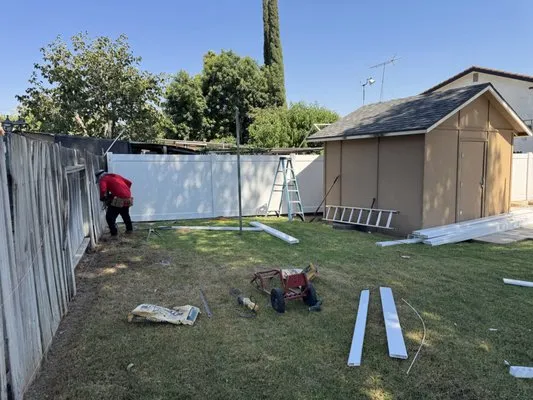
T&Y Hardscape was founded in San Bernardino with a foundation of practical, hands-on knowledge. The owner's journey began at age 17, working alongside his uncle, Nicolas, who taught him not just the s...
Q&A
What invasive weeds should I watch for, and how do I treat them safely?
In this region, watch for aggressive invaders like yellow starthistle and fountain grass. Treatment requires integrated management: manual removal before seed set and careful spot-treatment with approved herbicides, always following label instructions. Crucially, any product used must be phosphorus-free to comply with local fertilizer ordinances prohibiting its use near storm drains, protecting watershed health.
Why does my Arrowhead District soil seem so hard and dry, even with watering?
Properties in the Arrowhead District, with an average build year of 1972, have 54-year-old soils. Decades of standard maintenance on this native alkaline sandy loam (pH 7.9) have compacted its structure and depleted organic matter, reducing percolation and water retention. Core aeration in early spring, followed by amending with composted organic matter, is critical to rebuild soil tilth and counteract the inherent alkalinity that locks up nutrients.
Can you handle an emergency tree cleanup to meet an HOA compliance deadline?
Yes. For urgent HOA compliance issues in the Arrowhead District, our dispatch is routed from the San Bernardino County Museum via I-210. This logistics plan allows for a confirmed 25-35 minute response window during peak operational hours, ensuring rapid assessment and mobilization of appropriate battery-electric equipment to address the hazard while adhering to local noise ordinances.
Why do contractors say I need a permit just to regrade my backyard?
Grading alters the earth's contour and drainage patterns, which is regulated for flood control and erosion prevention. On a 0.19-acre lot, even modest changes can impact neighboring properties. The San Bernardino Community Development Department requires permits for significant grading. Furthermore, this work must be performed by a contractor licensed by the California Contractors State License Board (C-27 Landscaping or related classification) to ensure it meets engineered standards and carries valid insurance.
I want to reduce mowing and gas equipment noise. What are my options?
Transitioning high-maintenance turf areas to a climate-adaptive xeriscape with natives like California Buckwheat, Desert Mallow, and Cleveland Sage is the strategic approach. These plants require minimal water, eliminate weekly mowing, and thrive in Zone 9b. This shift future-proofs your landscape against tightening noise ordinances and supports the regional transition to quieter, battery-electric maintenance fleets.
My yard has severe slope erosion after rains. What's a lasting fix?
High runoff on sloped, alkaline sandy loam is a common drainage hazard. The solution integrates grading to redirect flow and the installation of permeable hardscapes like decomposed granite for key walkways. This material allows water to infiltrate onsite, reducing erosion velocity. Such designs often require a permit from the San Bernardino Community Development Department to ensure they meet current stormwater runoff standards.
Is decomposed granite or wood better for a new patio in a high-fire zone?
For WUI Zone 1 compliance under the local Fire Wise rating, decomposed granite is the superior material. It is non-combustible, creating critical defensible space, and its permeability aids in water management. Compared to wood, which presents a fuel hazard and requires constant treatment, decomposed granite offers greater longevity with minimal maintenance in San Bernardino's climate, providing both safety and durability.
How can I keep my TifTuf Bermuda alive under Stage 2 water restrictions?
Stage 2 restrictions mandate specific irrigation days, but a Wi-Fi ET-based weather-sensing controller is the technical solution. This system automatically adjusts run times based on real-time evapotranspiration data, applying water only when the turfgrass requires it. This precision irrigation maximizes the drought tolerance of TifTuf Bermuda, delivering deep, infrequent watering that meets municipal limits while maintaining plant health.
