Top Landscaping Services in San Antonio Heights, CA, 91784 | Compare & Call
There are 240 landscaping companies server in San Antonio Heights CA
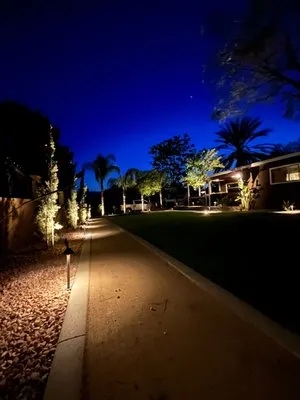
Grizzly Landscape
Grizzly Landscape is a licensed, family-owned landscaping and hardscaping company serving Lake Elsinore and the Inland Empire. Founded on the core values of Quality, Integrity, and Efficiency, we part...
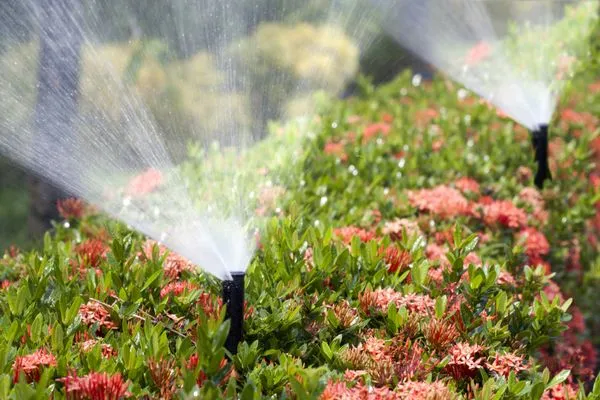
A1 Green Care is a trusted Garden Grove-based landscaping company specializing in comprehensive tree, lawn, and irrigation services. With a team of gardeners boasting over 20 years of industry experie...
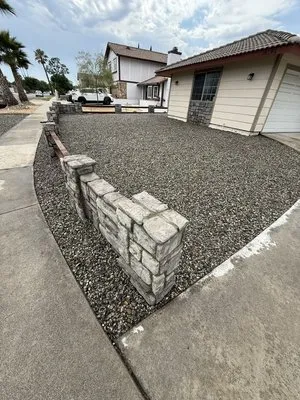
Newline Concrete & Pavers, owned by Juan Rodriguez, is a Colton-based hardscape and landscaping company serving the Inland Empire, Orange County, and Los Angeles. With over 15 years of hands-on experi...
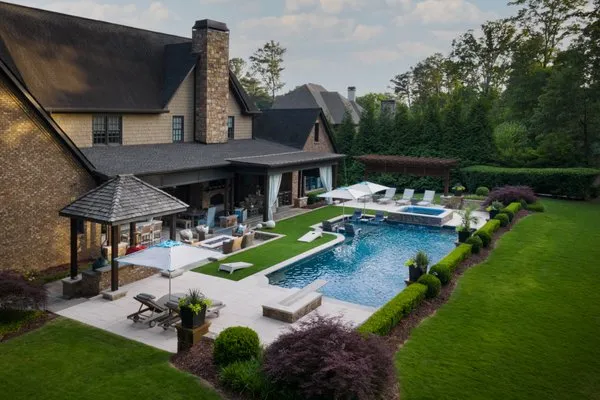
System Pavers
System Pavers in Riverside, CA, is a trusted outdoor remodeling company with over 30 years of experience, specializing in landscaping, masonry/concrete, and landscape design. They focus on creating be...
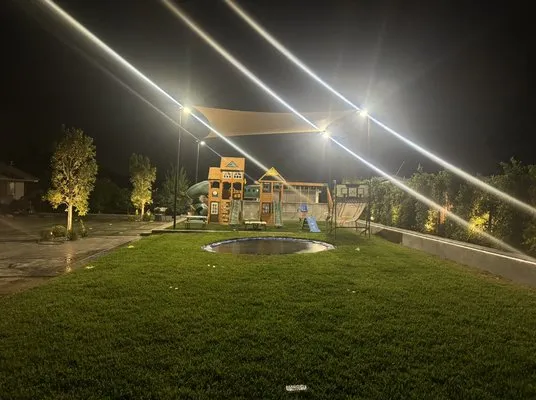
Bestway Landscaping has been serving Moreno Valley and the greater Inland Empire since 2016. Our team specializes in comprehensive outdoor solutions, seamlessly blending landscaping, masonry, concrete...
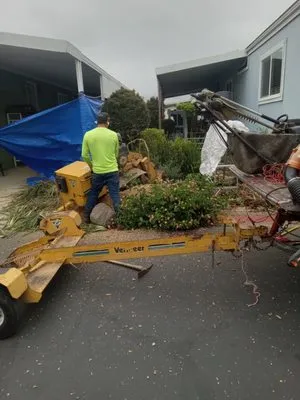
Romero Tree Service & Landscaping is a family-owned and operated business serving Riverside, CA, with 17 years of experience in comprehensive tree care and landscaping. We specialize in tree trimming,...
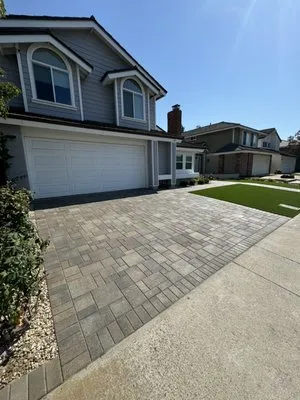
Valley Pacific Landscape
Matthew S., the owner of Valley Pacific Landscaping, is dedicated to transforming Riverside properties with beautiful and functional outdoor spaces. Since founding the company in 2013, he has built a ...
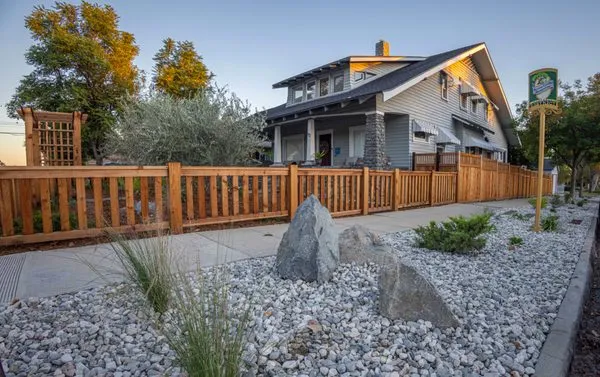
Easy Green Landscaping is a family-owned landscaping contractor based in Mira Loma, CA, founded and operated by Mauro Alberto Solorio. As a California state licensed contractor (#1011741), Mauro start...
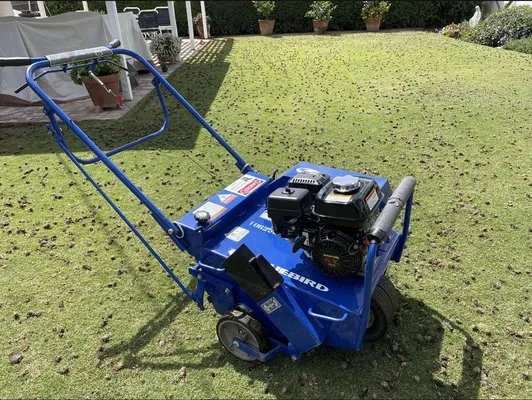
SM Landscaping is a licensed landscaping service in Ontario, CA, founded on a genuine passion for transforming outdoor spaces. This isn't just a job—it's a calling. The team loves the process of turni...
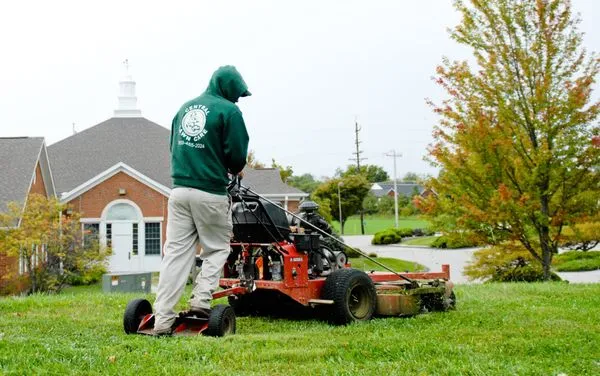
END Landscaping is a locally owned and operated landscape partner for San Bernardino homeowners and businesses. Since 2014, we've focused on creating and maintaining functional, beautiful outdoor spac...
Estimated Landscaping Service Costs in San Antonio Heights, CA
FAQs
What invasive species should I watch for, and how do I treat them without harming the watershed?
Primary invasive alerts in this area are Fountain Grass, Tree of Heaven, and Yellow Starthistle. Manual removal is preferred, but for persistent issues, targeted, spot-applied glyphosate is used with dye markers to prevent overspray. All treatments strictly adhere to the Regional Water Quality Control Board's MS4 permit requirements, avoiding application before forecasted rain to prevent runoff into the watershed. We maintain a calendar of blackout dates to ensure compliance.
We need emergency storm debris cleanup to meet an HOA compliance deadline. How quickly can a crew arrive?
For emergency HOA compliance work, our dispatch from the Euclid Avenue and 24th Street staging area allows for a 25-35 minute response during peak conditions. Routing is optimized via SR-210 to I-10, accounting for real-time traffic to your specific neighborhood. Crews are equipped with electric-powered collection tools to comply with local noise ordinances and begin remediation immediately upon arrival to mitigate any violation risks.
We want a lower-maintenance, quieter yard. What are the best native plants to replace some lawn?
Transitioning to a native palette with California Buckwheat, White Sage, Toyon, Deergrass, and Cleveland Sage dramatically reduces water, mowing, and maintenance needs. These plants are adapted to our zone 9b climate and granitic soils, requiring minimal inputs once established. This shift also future-proofs your property against evolving noise ordinances, as the resulting landscape eliminates leaf litter that demands gas-powered blowers, favoring quiet, electric maintenance.
Is decomposed granite a better choice than wood for patios and paths given the fire risk?
In a Very High Fire Hazard Severity Zone, non-combustible materials are critical for defensible space. Decomposed granite and permeable flagstone are superior to wood as they provide a fire-resistant barrier, do not ember, and require no flammable sealants. These materials also aid in water percolation, reducing runoff. Their longevity and low maintenance align with both fire-wise principles and the aesthetic of the native landscape, creating a durable and safe outdoor environment.
What permits and licenses are needed for a major landscaping project on a half-acre lot here?
For significant work on a 0.50-acre lot, especially involving grading, drainage, or retaining walls over 18 inches, a permit from San Bernardino County Land Use Services is required. The contractor must hold a valid C-27 Landscaping license from the CSLB. This licensing ensures they carry the necessary bonding and insurance, and have proven competency in state codes, including stormwater management (MS4) and fire-wise regulations, which are strictly enforced in this jurisdiction.
With Stage 2 water restrictions, how can we keep our Tall Fescue lawn alive without wasting water?
Under Stage 2 restrictions, an ET-based smart irrigation controller is mandatory for efficiency. This system uses local weather data to apply precisely the water lost to evapotranspiration, eliminating guesswork. For Tall Fescue, we program deep, infrequent cycles in the early morning to encourage deep roots and reduce evaporation. Concurrently, converting ornamental beds to drip irrigation can save 30-50% of your outdoor water use, keeping you well within municipal allotments.
Our yard seems compacted and thirsty. What's the history of the soil in San Antonio Heights, and how does that affect my lawn?
Properties in San Antonio Heights, built around 1974, have over 50-year-old soil profiles on Granitic Sandy Loam. This soil type, with a pH of 6.5-7.2, tends to become hydrophobic and compacted over decades, severely limiting water infiltration and root development. To restore health, core aeration followed by incorporating 1-2 inches of high-quality compost is critical. This process increases soil organic matter, improves permeability, and builds the foundation for a resilient landscape.
We have persistent pooling and erosion on our sloped lot. What's the best drainage solution?
Slope-induced pooling indicates surface compaction and inadequate subsurface drainage. Correcting this requires decompacting the soil through deep tilling and installing a French drain system wrapped in non-woven geotextile to prevent siltation. The outlet must be carefully daylighted to avoid creating a new erosion hazard for downstream neighbors. All such work must be permitted and should integrate with existing permeable hardscape to create a cohesive, code-compliant water management system.
