Top Landscaping Services in Sacramento, CA, 94203 | Compare & Call
There are 239 landscaping companies server in Sacramento CA
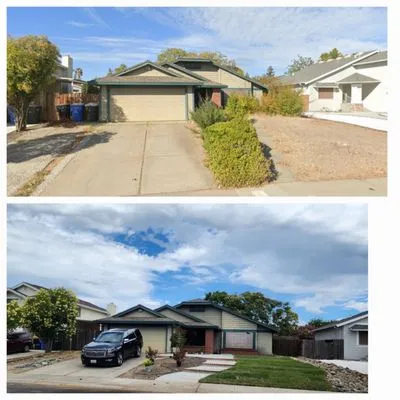
Bob's Landscaping has been serving Elk Grove, CA, with comprehensive outdoor solutions for years. We specialize in complete landscaping services, including concrete work, irrigation systems, fence and...

DL Landscaping is a Sacramento-based company specializing in comprehensive outdoor solutions for local homeowners. We focus on hardscape projects including paver installations, fence building, artific...
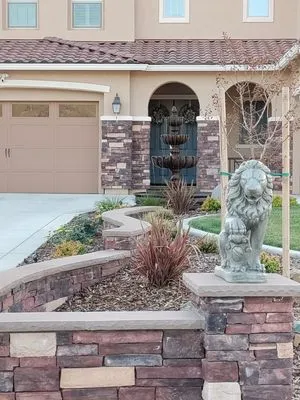
Hunt's Landscaping has been a trusted Cameron Park landscape contractor since 1996, founded by owner Peter Hunt. With nearly three decades in the industry, Peter combines formal education in Horticult...
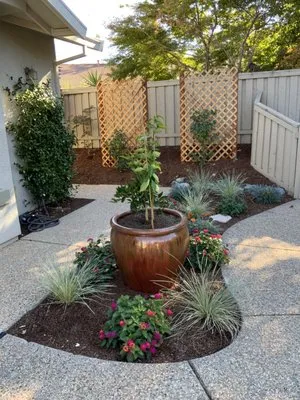
Valley Oak Landscape
Valley Oak Landscape, established in 2021, is a licensed and insured landscaping company serving Citrus Heights, Sacramento, El Dorado Hills, and Granite Bay. We offer a full suite of services from in...
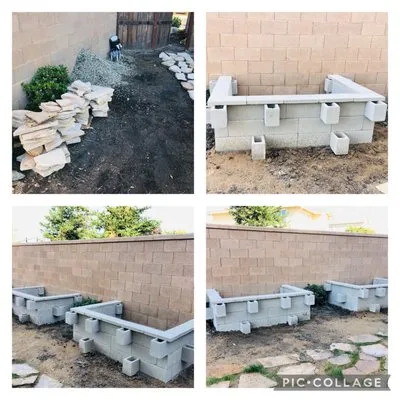
Fresh & Green Lawn Care is a family-owned Sacramento lawn care company dedicated to bringing your outdoor vision to life. We build our service on core values of teamwork, integrity, and accountability...
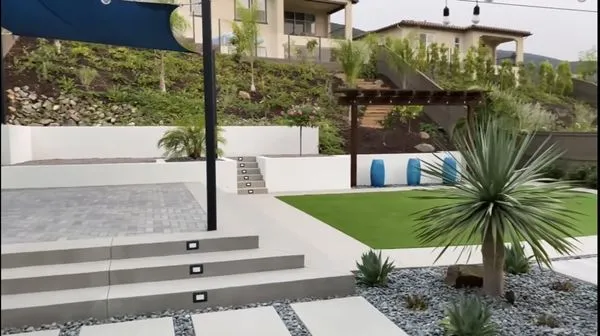
True Nature Landscape
True Nature Landscape is a licensed, family-owned landscaping construction company serving Fairfield and the wider Bay Area since 1996. We specialize in comprehensive outdoor solutions, from initial l...
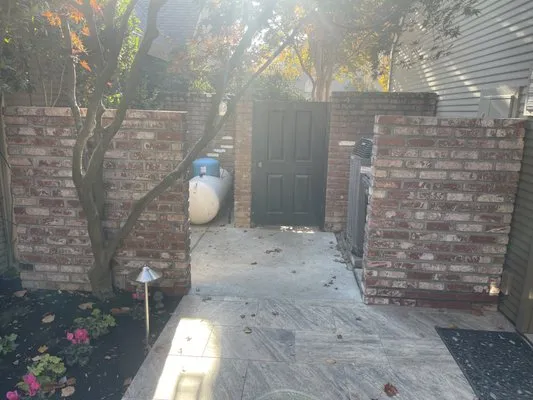
Rogers Landscape
Rogers Landscape is a licensed, family-owned landscape construction company based in Loomis, CA, with over 18 years of experience specializing in residential design-build projects. We transform outdoo...
Peace Tree Landscape and Arborist
Peace Tree Landscape and Arborist is a dedicated Davis, CA company focused on creating beautiful, resilient outdoor spaces that thrive in our local climate. We specialize in ecological landscaping tha...
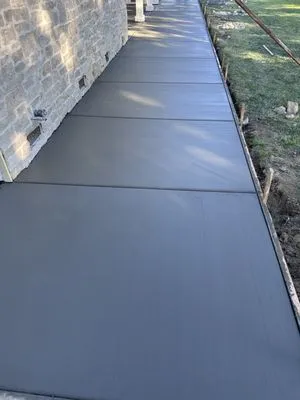
Ng Landscaping is a Wilton, CA-based masonry and landscaping contractor dedicated to building durable, beautiful outdoor spaces for the local community. We specialize in solving common area issues lik...
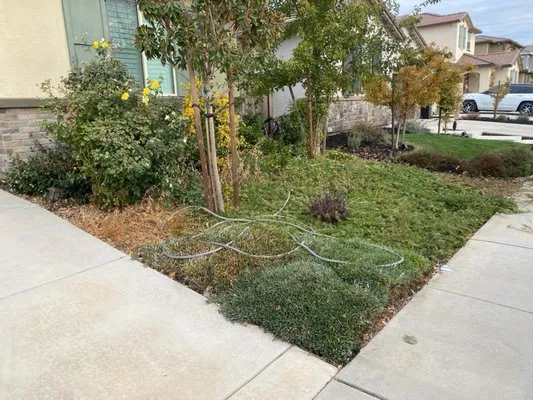
For over three decades, Unique Landscape has been a trusted, licensed, and bonded landscape construction partner for homeowners throughout the greater Sacramento region, with a dedicated focus on Elk ...
Estimated Landscaping Service Costs in Sacramento, CA
FAQs
How can I maintain my Tall Fescue lawn during Sacramento's Stage 1 water restrictions?
Wi-Fi ET-based weather sensing controllers automatically adjust irrigation schedules using real-time evapotranspiration data from local weather stations. These systems reduce water application by 20-30% compared to traditional timers while preserving turf health. Programming follows Sacramento's water conservation ordinance by limiting watering to approved days and times. This technology prevents overwatering that would violate municipal limits while maintaining adequate soil moisture for dwarf turf-type Tall Fescue.
What permits and licenses are needed for grading my 0.15-acre East Sacramento lot?
The City of Sacramento Community Development Department requires grading permits for any excavation exceeding 50 cubic yards on 0.15-acre properties. Contractors must hold California CSLB licenses with C-27 (Landscaping) or C-12 (Earthwork) classifications for this work. Unlicensed grading risks fines up to $5,000 and mandatory restoration. Professional licensing ensures proper soil compaction testing, erosion control, and compliance with municipal grading standards that protect adjacent properties.
Are decomposed granite and permeable pavers better than wood for Sacramento patios?
Decomposed granite and permeable concrete pavers offer superior longevity with 25+ year lifespans versus wood's 10-15 years with maintenance. These inorganic materials maintain defensible space requirements for Sacramento's low fire-wise rating without combustible elements. Their permeability supports groundwater recharge while providing stable surfaces. Unlike wood, they resist rot, insect damage, and seasonal expansion/contraction from Sacramento's climate variations.
How quickly can you respond to an emergency cleanup for HOA compliance in East Sacramento?
Our electric maintenance fleet can dispatch from McKinley Park via Business 80/US-50 to reach East Sacramento properties within 20-30 minutes during peak response scenarios. This rapid deployment ensures timely resolution of HOA compliance issues while adhering to Sacramento's gas-powered equipment phase-out. Our route optimization accounts for current traffic patterns to maintain this response window consistently throughout service areas.
Why does my East Sacramento yard have such compacted soil that needs annual aeration?
East Sacramento properties built around 1974 have 52-year-old San Joaquin Loam soil that has become heavily compacted over decades. This soil type naturally develops low permeability due to its high clay content, which restricts root growth and water infiltration. Core aeration with organic amendments like compost is essential to improve soil structure and microbial activity. Without this intervention, irrigation water will pool on the surface rather than reach plant root zones effectively.
How do I treat invasive species without violating Sacramento's fertilizer blackout dates?
Manual removal or targeted spot treatments with EPA-registered herbicides avoid the non-point source runoff prohibited by the Stormwater Quality Improvement Plan. For species like yellow starthistle or tree-of-heaven, apply treatments during approved windows outside blackout periods (typically November-February). Always verify current restrictions with the City of Sacramento before application. This approach controls invasives while protecting watershed quality through proper timing and application methods.
What's the best solution for poor drainage in my clay-heavy San Joaquin Loam soil?
Install decomposed granite or permeable concrete pavers to create infiltration zones that meet City of Sacramento stormwater standards. These materials allow 4-8 inches per hour of water permeability, bypassing the natural clay layer's resistance. Strategic placement in low-lying areas directs runoff toward these permeable surfaces rather than building foundations. This approach addresses the fundamental drainage hazard while complying with Community Development Department requirements for surface water management.
Should I replace my high-maintenance lawn with native plants to reduce equipment noise?
Transitioning to Western Redbud, California Poppy, Blue Wildrye, Valley Oak, and California Lilac reduces maintenance frequency ahead of SB 1346's gas-blower restrictions. Native plantings require minimal pruning and generate less organic debris than traditional turf. This shift decreases reliance on phased-out equipment while supporting local biodiversity. Established native landscapes typically need only seasonal attention with electric hand tools rather than weekly maintenance.
