Top Landscaping Services in Running Springs, CA, 92382 | Compare & Call

Reliable Raul is your trusted local expert serving Running Springs, CA, for all your junk removal, lawn care, and snow removal needs. Based right in the community, Raul understands the unique challeng...

GM Excavating Inc is a Running Springs-based landscaping and construction company specializing in comprehensive outdoor solutions for the local community. Founded and operated by General Engineer Nath...
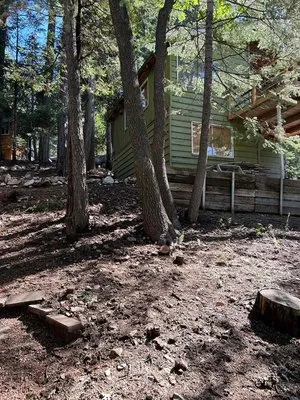
The Rose-Way is a Running Springs-based service provider with deep roots in the San Bernardino Mountains. Owner Joel brings over 13 years of hands-on expertise, from forest restoration to precision re...
Question Answers
Should I use wood or stone for my new patio?
In an Extreme Fire Hazard Severity Zone, non-combustible materials are mandatory for defensible space. Native decomposed granite and local river rock are superior to wood for longevity, fire resistance, and permeability. These materials blend with the native ecology, require no chemical treatments, and when installed with a geotextile fabric, create a stable, low-maintenance surface that complies with the highest Firewise standards for the Wildland-Urban Interface.
How can I keep my lawn alive with water restrictions?
Under Stage 1 voluntary conservation, precise water management is critical. Smart Wi-Fi ET-based controllers adjust schedules daily using local evapotranspiration data, while pressure-regulating heads ensure uniform droplet size. For Kentucky Bluegrass or Fine Fescue, this system applies water only when needed and at the correct rate, preventing runoff on rapidly permeable soils and keeping usage well within advisory limits without sacrificing turf health.
What are the biggest weed threats and how do I handle them?
Scotch Broom and Yellow Star-thistle are high-priority invasive species here, outcompeting natives like Deerbrush. Manual removal before seed set is most effective. For persistent issues, targeted spot treatments with herbicide must follow the Regional Water Quality Control Board's Stormwater Runoff Guidelines, avoiding application before forecasted rain to prevent chemical movement into the watershed. Promoting dense native groundcover is the best long-term defense.
My sloped yard is washing away; what's the solution?
Granitic sandy loam has high permeability but poor cohesion, leading to severe erosion on slopes. The remedy is slowing water flow and increasing infiltration. Installing a series of shallow swales lined with local river rock, or using permeable decomposed granite for pathways, captures and redirects sheet flow. These methods meet San Bernardino County Land Use Services Department standards for managing stormwater runoff on-site, stabilizing the soil profile.
What permits and licenses are needed for a backyard regrading project?
Regrading a 0.35-acre lot in Running Springs typically requires a grading permit from San Bernardino County Land Use Services Department to ensure erosion control and drainage plans are sound. The contractor must hold a C-27 Landscaping license or a C-12 Earthwork license from the California Contractors State License Board. This licensing verifies bonding and expertise, which is critical for work that alters water flow and could impact neighboring properties on steep terrain.
I need an emergency cleanup to meet HOA standards; how fast can you get here?
For HOA compliance or post-storm emergency service, our dispatch from the Charles Hoffman Elementary School area uses CA-18. Accounting for peak mountain traffic and seasonal conditions, a technician can typically be on-site in 45 to 60 minutes. We coordinate with county road crews to prioritize access for properties with immediate safety or compliance hazards within Running Springs Village.
Is there a quieter, lower-maintenance alternative to my lawn?
Transitioning to a climate-adapted landscape of California Black Oak, Incense Cedar, and Manzanita significantly reduces maintenance. This native palette requires no weekly mowing or gas-powered blowing, aligning with municipal noise ordinances and the shift toward electric equipment. Once established, these deep-rooted plants survive on seasonal rainfall, enhance local biodiversity, and provide superior habitat value compared to monoculture turf.
Why is my soil so compacted and poor?
Properties in Running Springs Village, built around 1971, have 55-year-old soils. Original granitic sandy loam was often stripped during construction, leaving a shallow, compacted layer vulnerable to erosion. This soil profile typically lacks mature organic matter and beneficial fungal networks. Core aeration every other fall and amending with composted wood chips directly addresses this legacy compaction, rebuilding soil structure and water-holding capacity.
