Top Landscaping Services in Rose Hills, CA, 90601 | Compare & Call
There are 200 landscaping companies server in Rose Hills CA
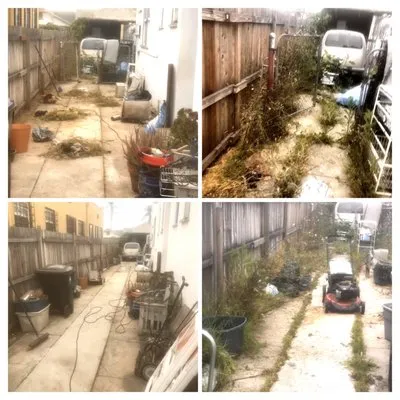
Willisons Landscape is a Compton-based lawn and landscape service dedicated to helping local homeowners transform their outdoor spaces. We focus on practical, lasting solutions for common local issues...
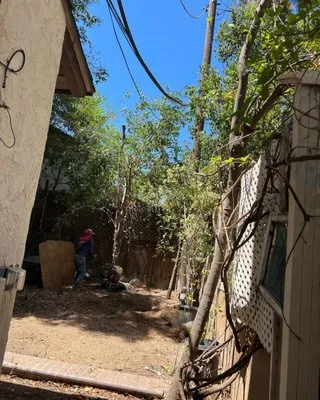
JPL Landscaping is a family-owned business with 19 years of experience serving Sylmar and the greater Los Angeles area. We specialize in comprehensive landscaping, tree services, and artificial turf s...

Adrian Rosales Landscaping and Hardscape
Adrian Rosales Landscaping and Hardscape has been serving the San Fernando Valley community for six years, specializing in custom landscape design, retaining walls, and paver installation for driveway...
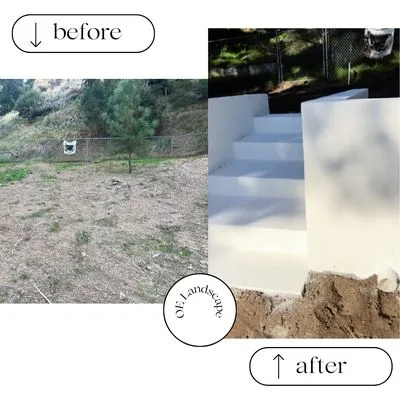
At OE Landscape, we believe your home is a personal sanctuary. Our Glendora-based team approaches every project with the care and detail it deserves, from a simple garden refresh to a complete outdoor...
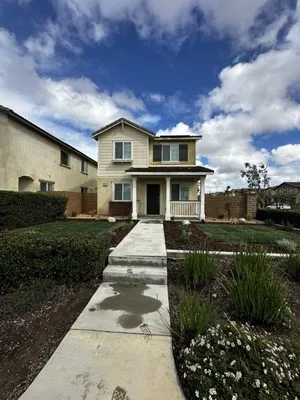
Garden Worx Landscapes is a Baldwin Park-based landscaping company with over a decade of dedicated experience in the green industry. Our passion lies in transforming local properties through reliable ...
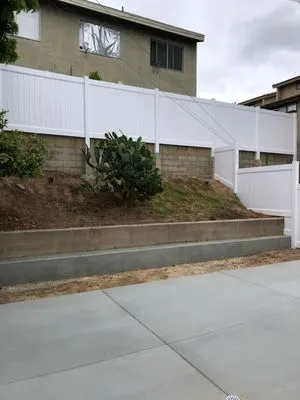
The Mountain Stone
The Mountain Stone is a locally owned and operated landscaping service based in Orange County, CA. Since our founding in 2017, we have specialized in creating both outdoor and indoor landscapes that a...
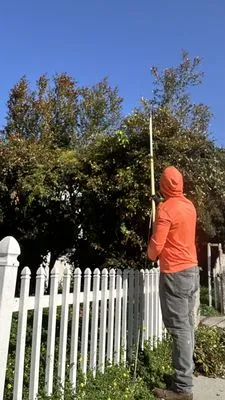
Prado Landscapes is a family-owned landscaping and irrigation business serving Long Beach, CA, with deep roots in the community. Founded years ago by my father, I grew up learning the trade and now pr...
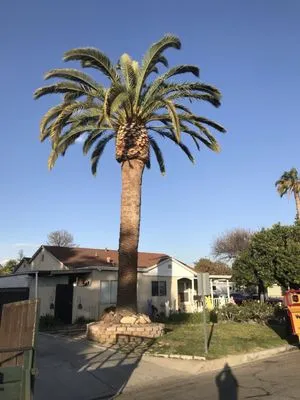
Uriel Banuelos Tree Surgeons
Uriel Banuelos Tree Surgeons is a family-owned and operated business with over 20 years of experience providing comprehensive tree care and landscaping services in Los Angeles and surrounding areas. W...
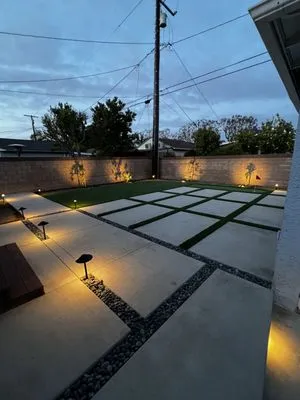
Evergreen Landscape is a locally-owned landscaping company serving Azusa, CA, and surrounding areas since 2019. We specialize in comprehensive outdoor transformations, from new construction landscapin...
NextGen Landscaping is a family-owned business in Long Beach, CA, with deep roots in the community. As a second-generation landscaper, the owner grew up learning the trade and has been operating their...
Estimated Landscaping Service Costs in Rose Hills, CA
Question Answers
What invasive weeds should I watch for, and how do I treat them safely?
In Rose Hills, watch for Bermuda grass, nutsedge, and oxalis invading lawns and planting beds. Manual removal is most effective for small patches. For broader issues, use targeted, CSLB-approved herbicides, strictly following NPDES-compliant application guidelines to prevent runoff into waterways. Always avoid treatments during the local fertilizer ordinance blackout periods to prevent environmental penalties and protect soil biology.
Can you do an emergency HOA compliance cleanup after a major wind event?
Yes, we maintain a rapid-response protocol for such events. Our electric fleet is exempt from local noise ordinance restrictions, allowing dispatch at any hour. From a base near Rose Hills Memorial Park, we would take I-605 to your neighborhood, ensuring an arrival within the 20-30 minute window critical for mitigating property damage and avoiding violation notices.
Are permeable concrete pavers a better choice than wood decking for my patio?
For longevity and fire safety, permeable concrete pavers are superior. Wood requires constant sealing and deteriorates rapidly in our climate. Pavers offer a permanent, low-maintenance surface with excellent drainage. Critically, they contribute to your property's defensible space as required by the Moderate Fire Wise rating, as they are non-combustible and help slow the spread of embers compared to wooden structures.
Do I need a permit to regrade my 0.22-acre lot?
Yes, any significant grading or earthmoving on a property of this size typically requires a permit from the Whittier Planning and Building Division. The work must be performed by a contractor licensed by the California Contractors State License Board (CSLB) for landscape construction. This ensures the work complies with local drainage and erosion control ordinances, protecting both your property and the surrounding watershed from unintended runoff consequences.
My yard floods after moderate rain. What's the best long-term fix?
Moderate runoff is common in Rose Hills due to our clay-heavy, alkaline loam soils. The most effective solution integrates subsurface drainage with surface permeability. Replacing solid concrete with permeable concrete pavers allows water to infiltrate directly, meeting Whittier Planning and Building Division standards for onsite water management. This should be combined with grading to direct excess water to a dry well or bioswale.
How can I keep my St. Augustine lawn alive under Stage 2 water restrictions?
Smart Wi-Fi ET-based controllers are the definitive solution for conservation. They adjust watering schedules daily based on local evapotranspiration data, applying water only when the landscape needs it. This technology can reduce water use by 20-30% compared to traditional timers, keeping turf healthy while strictly adhering to municipal water limits. Manual overrides are available for peak heat events.
Why does my Rose Hills Residential yard struggle to absorb water?
Homes built around 1979 have soil that has matured for nearly 50 years, undergoing significant compaction. Your alkaline loam soil (pH 7.5-8.2) has become dense and clay-heavy, drastically reducing its percolation rate. This creates a hardpan layer that repels water and limits root growth. Core aeration paired with a top-dressing of composted organic matter is essential to improve soil structure and water infiltration.
Is there a low-maintenance alternative to my high-water turf grass?
Transitioning to a climate-adaptive xeriscape using natives like Cleveland Sage, Deergrass, and Toyon is a forward-thinking strategy. These plants require minimal water once established and need no weekly mowing or gas-powered blowing, aligning with the transition to electric-only maintenance mandates. This creates a biodiverse habitat that supports local pollinators and significantly reduces your long-term water and maintenance inputs.
