Top Landscaping Services in Rolling Hills, CA, 90274 | Compare & Call
There are 239 landscaping companies server in Rolling Hills CA
Mike Forsberg Landscape & Maintenance is a trusted local landscaping company serving Harbor City, CA. We specialize in addressing common landscaping challenges faced by homeowners in our community, su...
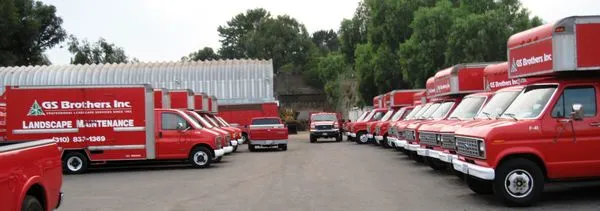
Founded in 1963, GS Brothers is a Carson-based landscaping and tree care provider with deep roots in the local community. We specialize in comprehensive landscape maintenance, design, and professional...
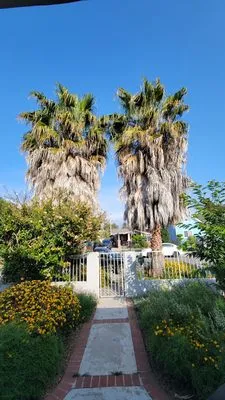
Palms Tree Care is a licensed, full-service tree care and landscaping company serving Gardena, CA, and the surrounding South Bay communities. We specialize in comprehensive tree services including tri...
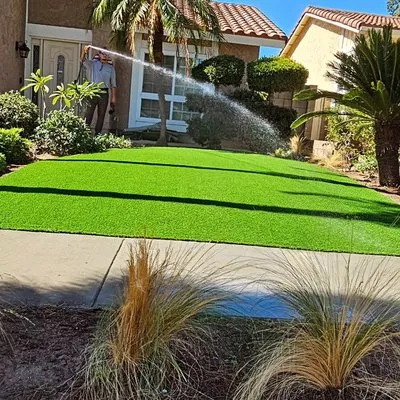
TandScape Landscaping is a family-owned business serving Huntington Park, CA, dedicated to providing quality work with a great attitude for every customer. We believe no job is too small or too big, a...
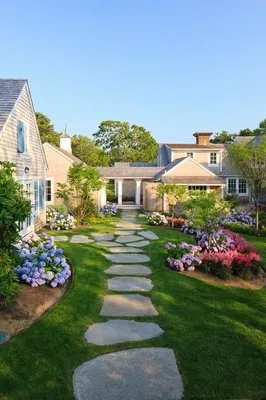
For over 25 years, Yoon's Landscaping has been a trusted, family-owned name in the South Bay and Rancho Palos Verdes. Founded by Mr. Yoon, whose passion for horticulture began in college, the business...
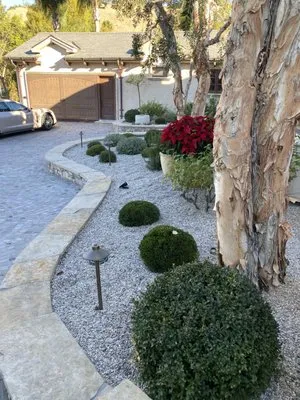
Huizar’s Landscaping serves Inglewood, CA, as a full-service landscaping partner dedicated to enhancing the beauty and utility of both residential and commercial properties. We offer a comprehensive r...
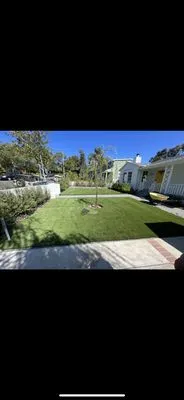
GB Landscaping is a full-service landscaping company serving Los Angeles, CA. We provide a comprehensive range of services from initial design and earthmoving to construction, installation, and ongoin...
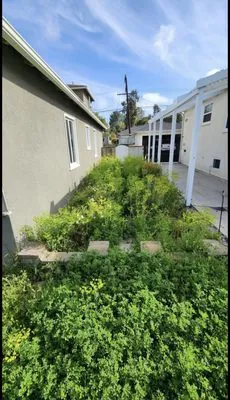
Lawnmowers Landscaping is a Los Angeles-based company dedicated to helping homeowners achieve and maintain beautiful, healthy outdoor spaces. We are a growing, owner-operated business founded on the p...
Green Way Remodeling is a Marina Del Rey-based contractor specializing in landscaping, solar installation, and roofing services. We help local homeowners address common landscaping issues like dead tu...
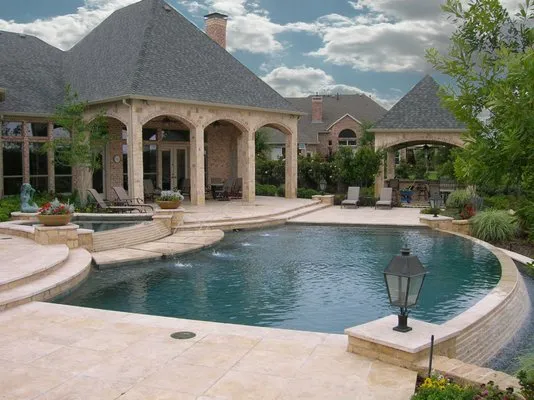
Universal Landscaping & Turf brings over 30 years of local expertise to Los Angeles homes and businesses. As a licensed and insured service, we specialize in creating beautiful, water-efficient outdoo...
Estimated Landscaping Service Costs in Rolling Hills, CA
Questions and Answers
Is decomposed granite a good choice for patios and paths here, or should we use wood?
Stabilized decomposed granite is the superior material for Rolling Hills, especially given the Critical Fire Wise (WUI Zone 4) rating. Unlike wood, which is combustible and degrades, DG is a non-flammable, mineral-based material that contributes to mandatory defensible space. It provides excellent permeability for drainage, requires no sealing or painting, and blends naturally with the local terrain. For longevity and fire safety on a 1-acre lot, it outperforms organic materials.
Our soil is so hard and compacted. Is this normal for older homes in Rolling Hills Estates?
Given the average home build date of 1963, your landscape soil has matured for over 60 years on Altamont Clay. This soil type, with a pH of 7.2-8.0, is prone to severe compaction and low permeability over decades, especially on sloped lots. The primary issue is a lack of organic matter and soil structure, not just age. Annual core aeration followed by amending with compost is critical to improve water infiltration and root zone health for any new planting.
We have storm damage and need immediate HOA compliance. What's your emergency response time?
For urgent cleanup or compliance issues, our dispatch from Rolling Hills City Hall uses CA-1 (Pacific Coast Highway) for primary access. During standard conditions, we can mobilize within the hour. However, during peak storm events with potential road closures, our targeted response window is 45-60 minutes. We maintain a dedicated electric fleet for the Rolling Hills Estates enclave to comply with local noise ordinances during such operations.
Our yard has major erosion on the slopes. What's a permanent fix that will also pass inspection?
Slope instability is a hallmark risk of Altamont Clay soils during heavy rain. The solution integrates grading and permeable hardscaping. Stabilized decomposed granite, when properly installed with a geotextile fabric and binder, creates a highly permeable surface that manages runoff and meets the Rolling Hills Planning Department's strict standards for on-site water capture. This is often combined with subsurface French drains and strategically placed native shrubs like Toyon to stabilize the soil with deep roots.
How can we keep our St. Augustine grass green under the current water restrictions?
Under Level 2 Conservation Mandates, efficient water use is non-negotiable. Wi-Fi ET-based weather sensing controllers are the standard solution, automatically adjusting irrigation schedules based on real-time evapotranspiration data. This technology, paired with a soil moisture sensor, can reduce water use by 20-30% while preserving turf health. For Kurapia groundcover, the system can be programmed for even deeper, less frequent watering to encourage drought tolerance.
What permits and licenses are required for a major regrading and landscaping project on our acre lot?
Any significant grading or earthwork on a 1.02-acre lot in Rolling Hills requires a grading permit from the Rolling Hills Planning Department, with possible review for erosion control and tree protection. The contractor must hold a valid C-27 Landscaping license from the California Contractors State License Board (CSLB). For projects involving structural walls or complex drainage, additional engineering stamps and a C-53 Swimming Pool license (if applicable) may be mandated by the CSLB to ensure public safety and code compliance.
We're tired of the constant mowing and blowing. What's a truly low-maintenance alternative?
Transitioning to a climate-adapted landscape with California natives like White Sage, Deergrass, and California Lilac is the forward-looking strategy. This approach eliminates weekly mowing and the need for gas-powered blowers, aligning with the city's noise ordinance. These plants require minimal water once established, support local biodiversity, and provide superior habitat value. The resulting landscape is inherently more resilient and reduces long-term maintenance by over 70%.
We have invasive weeds taking over. How do we treat them without harming the environment or breaking rules?
Invasive species like yellow star-thistle or fountain grass require targeted, timely intervention. Manual removal is preferred, but for severe infestations, precise spot-treatment with EPA-registered, non-residual herbicides may be necessary. All applications must be planned around the Regional Water Quality Control Board's MS4 compliance calendar, which typically prohibits treatments before forecasted rain to protect watersheds. A professional management plan focuses on soil health to help natives outcompete invaders.
