Top Landscaping Services in Rolling Hills Estates, CA, 90274 | Compare & Call
There are 230 landscaping companies server in Rolling Hills Estates CA

Scapepros Landscaping is a family-owned and operated business serving Anaheim and Southern California with over 35 years of combined industry experience. As a licensed contractor (#1114665), they brin...
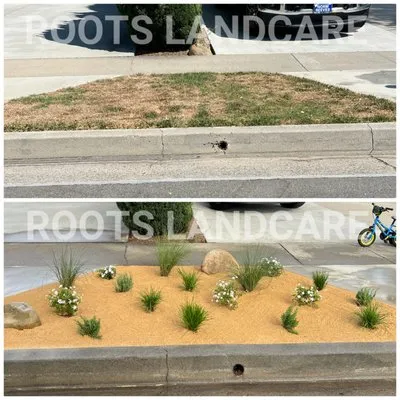
Roots Landcare is a Fullerton-based landscaping company serving Orange County and Los Angeles, specializing in creating and maintaining outdoor spaces that enhance property appeal. With a focus on com...

Premier Builders and Hardscape
Premier Builders and Hardscape is a licensed general contractor serving Fountain Valley and Orange County since 2006. We specialize in residential renovations that blend landscaping, hardscaping, and ...
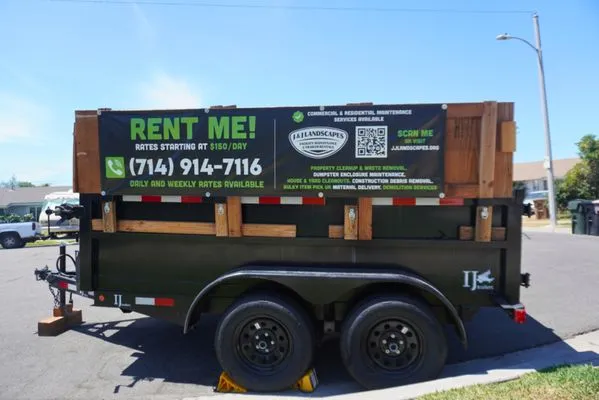
J&J Landscapes is a Garden Grove-based landscaping and property services company owned by Jordan, a lifelong Orange County resident. Founded in 2019 after Jordan identified a need for reliable, skille...
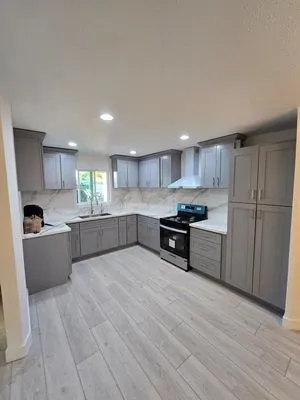
J.W. Construction is a family-owned general contracting company serving Garden Grove and Orange County with comprehensive construction, remodeling, and landscaping services. Our team specializes in ba...
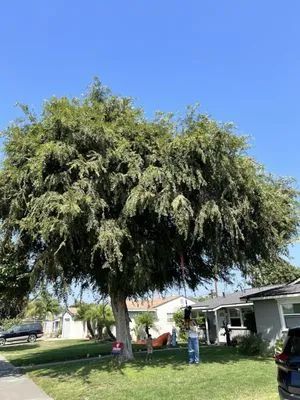
Founded in Fullerton and named for the owner's son, Jae Tree Service is a locally owned and operated tree care business with 15 years of dedicated experience. Our philosophy is simple: perfection in t...

Hello! I'm Eli A., the heart of HQ Remodeling & Design, a family-owned general contracting company in Irvine, CA, established in 1993. My passion for design and construction began early, inspired by t...
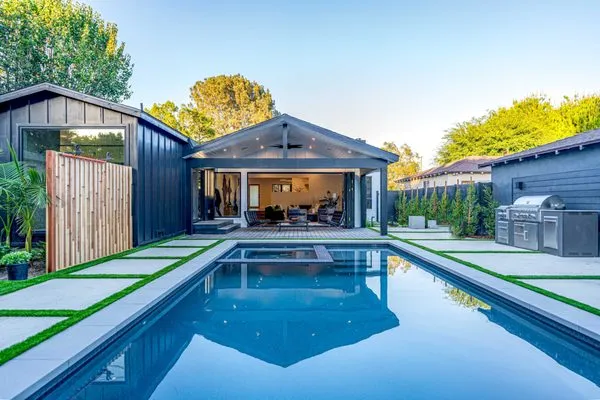
DYM Builders Group
Founded by David and Jade, DYM Builders Group brings over a decade of combined experience from the planning, legal, and hands-on construction fields to every Irvine project. Based in Southern Californ...
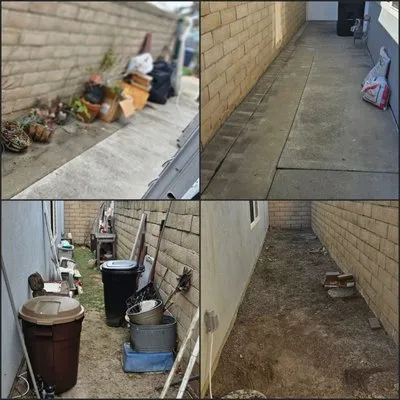
Dominguez Gardening is a family-owned and operated landscaping business serving Costa Mesa and Orange County. Founded by my father and now proudly carried forward by me, this work is more than a job—i...
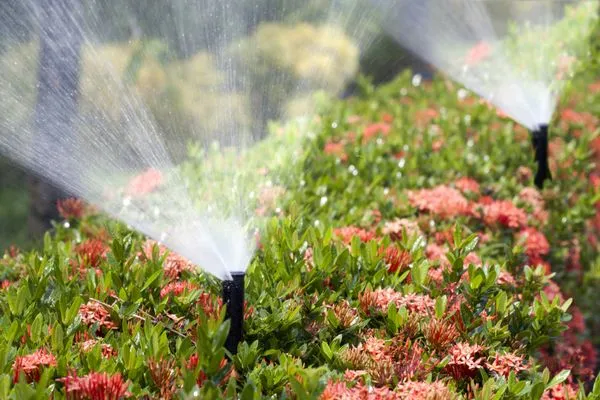
A1 Green Care is a trusted Garden Grove-based landscaping company specializing in comprehensive tree, lawn, and irrigation services. With a team of gardeners boasting over 20 years of industry experie...
Estimated Landscaping Service Costs in Rolling Hills Estates, CA
FAQs
We just moved to a home in The Palos Verdes Peninsula Estates built around 1970. Why does our clay soil seem so hard and dense, and what should we do about it?
Your property's 55-year-old landscape sits on a base of Altamont Clay, a soil type prevalent across the Peninsula Estates. Over decades, construction and routine maintenance have compacted this soil, reducing its permeability and air space. This is why water pools or runs off, and roots struggle. The foundational solution is not just tilling, but deep core aeration followed by incorporating 2-3 inches of a high-quality, coarse compost. This builds organic matter, improving soil structure and biological activity for the long term.
With Stage 2 water restrictions, how can we possibly keep our Tall Fescue lawn alive without wasting water?
Maintaining Tall Fescue under conservation mandates requires precision. The standard is to replace Smart ET-based irrigation controllers, which adjust schedules daily based on local evapotranspiration data. Pair this with subsurface drip lines for turf zones, which apply water directly to the root zone, minimizing evaporation and runoff. This system, when calibrated for your specific sun exposure and soil percolation rates, can reduce outdoor water use by 30-40% while preserving canopy health, keeping you in compliance.
Our backyard slope is unstable, and water just sheets off during rain. What's a permanent solution that will also pass city inspection?
Slope instability in Altamont Clay is a serious geotechnical issue. A permanent solution integrates subsurface drainage, such as a perforated pipe system wrapped in gravel, behind a retaining structure. For any new patios or walkways, specify permeable interlocking concrete pavers. This system allows water to infiltrate on-site, reducing erosive runoff. The Rolling Hills Estates Planning & Building Department requires engineered plans for such work to ensure it meets current runoff and sediment control standards.
We want to build a new patio. Is wood or concrete better for our area, considering fire risk and longevity?
Given your location in a Very High Fire Hazard Severity Zone, material choice is part of your defensible space strategy. Wood decking, especially untreated, presents a continuous fuel source. Permeable interlocking concrete pavers are the technically superior choice. They are non-combustible, provide the required firebreak, and their permeability manages stormwater. With a proper base, they offer exceptional longevity with minimal maintenance, outlasting wood significantly in our marine-affected climate.
I'm tired of the constant mowing and blowing. What's a truly low-maintenance, quiet alternative to our current lawn?
Transitioning to a climate-adaptive landscape is the strategic solution. Replace high-input turf with layered plantings of California natives like White Sage, Deergrass, Toyon, and California Lilac. These species require no supplemental water once established, need no regular mowing, and provide superior habitat. This shift future-proofs your property against tightening water rules and the local electric-only equipment ordinance, as the maintenance regimen shifts from weekly blowing to selective annual pruning.
A major storm caused slope erosion and debris on my property. How quickly can you respond for an emergency cleanup to prevent further damage?
For urgent storm response on the Peninsula, our dispatch prioritizes your zone from the Silver Spur Town & Country area. Using the CA-1 (Pacific Coast Highway) corridor, our electric fleet can typically reach Rolling Hills Estates addresses within 25-40 minutes during peak conditions. The initial action focuses on stabilizing erosion points and clearing debris from drainage paths to mitigate immediate property risk, followed by a full assessment for required grading or retaining work under the local conservation mandate.
I've noticed invasive grasses and weeds taking over. How do we treat them without harming the environment or breaking local rules?
Invasive species like annual bluegrass or mustard are a critical alert. Control must avoid violating the Regional Water Quality Control Board's MS4 permit, which prohibits fertilizer or herbicide runoff. The protocol is manual removal or targeted, spot-applied organic herbicides during dry, calm periods. For persistent issues, soil solarization in late summer can be effective. Crucially, any treatment must be followed by seeding or planting with competitive natives to occupy the ecological niche and prevent reinvasion.
We need significant grading and retaining wall work on our 0.55-acre lot. What do we need to know about permits and hiring?
On a slope-impacted lot of this size, grading and structural retaining work are strictly regulated. You will need engineered plans and a permit from the Rolling Hills Estates Planning & Building Department. It is illegal to hire an unlicensed contractor for this work. You must verify an active 'A' (General Engineering) or 'C-27' (Landscaping) license with the California Contractors State License Board (CSLB). This ensures the contractor carries the necessary bond, insurance, and technical competency for geotechnically complex projects.
