Top Landscaping Services in Rohnert Park, CA, 94927 | Compare & Call
There are 240 landscaping companies server in Rohnert Park CA
Vargas Landscape is a trusted, locally-owned landscaping company serving Santa Rosa, CA. We understand the unique challenges homeowners face in our area, such as rock gardens shifting due to soil move...
Juan The Handyman is a trusted local service provider in Rohnert Park, CA, specializing in lawn care and general handyman solutions. We understand the common landscaping challenges in our community, s...

With 27 years of experience in Windsor, Alfaro Construction is a trusted local contractor specializing in tree care, landscaping, and home remodeling. We believe in building projects that last for gen...
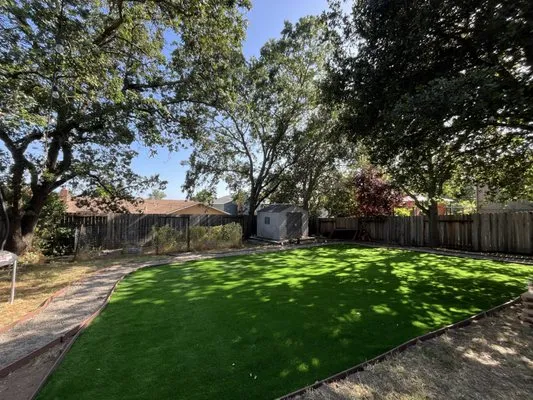
JG Yard Maintenance & Landscaping is a Santa Rosa-based company specializing in comprehensive outdoor solutions, including irrigation, tree care, and full-service landscaping. We help local homeowners...
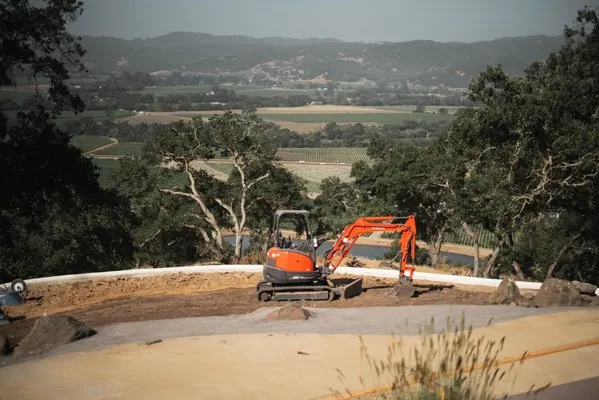
Scott Anderson Landscaping and Maintenance
Scott Anderson Landscaping and Maintenance is a licensed landscape contractor serving Sonoma, Napa, and Marin counties. We specialize in both residential and commercial projects, offering comprehensiv...
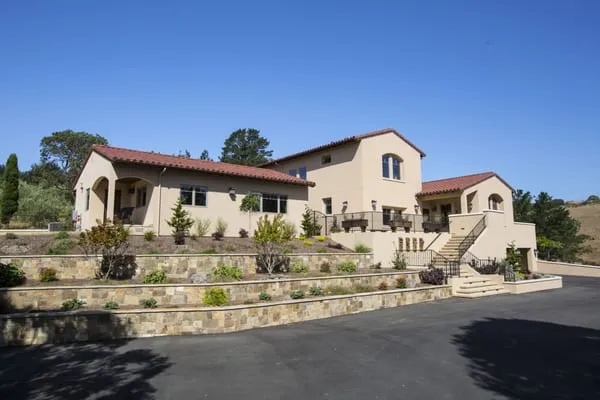
Seescape Landscaping is a Santa Rosa-based landscaping company specializing in comprehensive outdoor construction and design. We help local homeowners and businesses create beautiful, functional, and ...
Mendoza's Lawn Care is a trusted local landscaping company serving Santa Rosa, CA, and surrounding communities like Sebastopol, Healdsburg, Boyes Hot Springs, Cotati, and St. Helena. We provide compre...

Second Nature Interior Plant Company, founded by Nanci in Cotati, CA, brings over 20 years of expertise in interior plant design to businesses across Marin, Napa, and Sonoma Counties. With a degree in...
inscapes ca
Inscapes CA is a Rohnert Park-based general contractor and landscape design firm specializing in creating sustainable, functional outdoor spaces for local homeowners. Serving Sonoma County, they addre...

Sebastopol is a trusted local landscaping and handyman service based right here in Sebastopol, CA. We specialize in comprehensive outdoor solutions for homeowners facing common regional challenges lik...
Estimated Landscaping Service Costs in Rohnert Park, CA
Q&A
Our patio area floods every winter. What's a long-term solution?
Pooling water is a direct result of the poor permeability in Clear Lake Clay. Replacing impervious surfaces with permeable concrete pavers allows stormwater to infiltrate the soil on-site, mitigating the hazard. This approach often meets the Rohnert Park Development Services Department's standards for managing runoff. For severe cases, integrating a subsurface French drain system beneath the permeable base directs excess water away from foundations.
Is a wood deck or a paver patio better for our fire-prone area?
Permeable concrete pavers are superior for longevity and fire-wise compliance in Rohnert Park's Moderate Wildland-Urban Interface zone. Unlike combustible wood, pavers provide a permanent, non-flammable material for defensible space. Their installation also addresses drainage, a key concern with clay soil. For durability, safety, and permeability, pavers offer a consolidated solution that meets modern landscape infrastructure standards.
Do we need a permit to re-grade our backyard, and what kind of contractor should we hire?
Regrading a 0.15-acre lot typically requires a permit from the Rohnert Park Development Services Department to ensure proper drainage and adherence to code. The work must be performed by a contractor holding a C-27 Landscaping license or a related classification from the California Contractors State License Board. This licensing guarantees expertise in soil movement, compaction standards, and erosion control, which are critical for managing Clear Lake Clay's structural challenges.
We need an emergency storm cleanup to meet HOA standards. How fast can a crew arrive?
A crew dispatched from the Sonoma State University area can typically reach the University District via US-101 within 20-30 minutes during peak response windows. Our fleet utilizes electric blowers and mulchers, complying with local gas-powered equipment restrictions, to begin immediate debris management. This rapid response prioritizes safety hazards and prevents compliance violations from downed limbs or blocked drainage paths.
We're tired of weekly mowing and loud maintenance. What are quieter, lower-care options?
Transitioning to a climate-adapted landscape with natives like Ceanothus, Deergrass, and Yarrow significantly reduces mowing and gas-powered blower use, aligning with local noise ordinances. These plants require minimal water once established, thrive in our 9b zone, and provide critical habitat. This shift not only cuts maintenance but also builds a resilient system ahead of potential tightening water regulations and supports 2026 biodiversity goals.
How can we keep our Tall Fescue lawn alive during water restrictions?
Wi-Fi ET-based weather sensing controllers are the standard for efficient irrigation in Rohnert Park's Stage 1 conservation phase. These systems adjust watering schedules daily based on real-time evapotranspiration data, applying water only when the landscape needs it. For Dwarf Tall Fescue, this often means reducing runtime and frequency compared to a fixed schedule, preserving the turf while staying well within municipal water budgets and preventing runoff.
Our yard has tough, compacted soil. Is this a problem with how the neighborhood was built?
Properties in the University District, typically built around 1981, have 45-year-old landscapes. This maturity often leads to severe compaction in the underlying Clear Lake Clay soil. The high shrink-swell nature of this clay, combined with decades of foot traffic and conventional maintenance, drastically reduces permeability and oxygen for roots. Core aeration and incorporating 3-4 inches of compost into the topsoil are necessary to rebuild structure and support healthy plant growth.
What invasive weeds should we watch for, and how do we treat them safely?
Vigilance for invasive species like Yellow Starthistle and Himalayan Blackberry is crucial. Manual removal before seed set is most effective. For chemical control, select herbicides must be applied by licensed professionals to avoid nitrogen-phosphorus runoff into storm drains, a violation of local ordinance. Treatments are timed outside of blackout periods, typically during dry, calm conditions in late spring or early fall, to protect watershed health.
