Top Landscaping Services in Richmond, CA, 94530 | Compare & Call
There are 231 landscaping companies server in Richmond CA
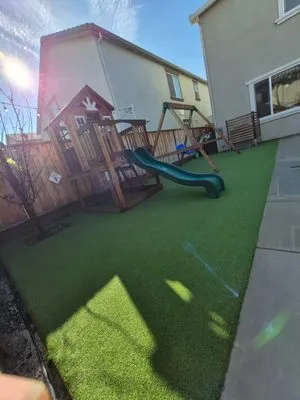
Tropical Landscape is your dedicated Concord partner for enhancing and maintaining outdoor living spaces. We offer a comprehensive range of services, including expert fence and gate repair, masonry an...
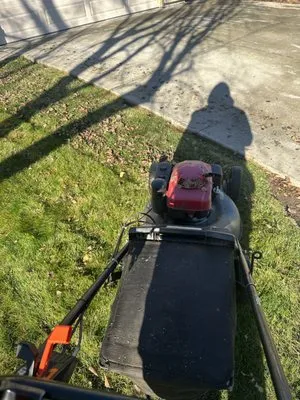
Almaraz Landscape is a trusted, locally-owned landscaping service dedicated to maintaining the beauty and health of Pittsburg, CA properties. We specialize in addressing common local challenges like t...
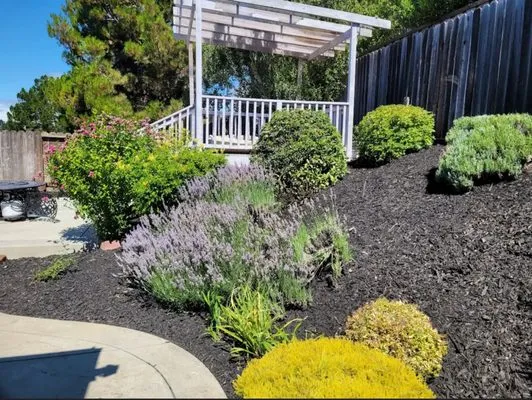
A.H. Maintenance is your local Bay Point landscaping partner, dedicated to transforming and caring for outdoor spaces in our community. Since our start in 2020, we've focused on providing reliable, pr...
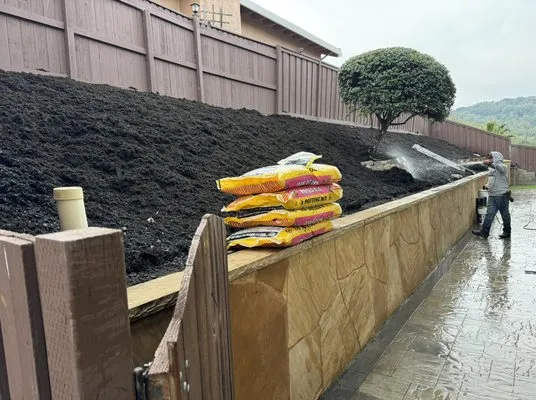
Ruben Y Abraham Garden Landscaping
Ruben Y Abraham Garden Landscaping is a dedicated, locally-owned landscaping business serving Pacheco, CA. We are a reliable, full-service operation offering everything from garden design and artifici...
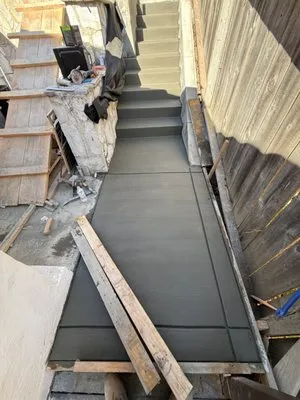
Lopez Landscaping is your trusted, full-service outdoor contractor serving Concord, CA. We specialize in creating beautiful, functional, and low-maintenance yards that thrive in our local climate. We ...
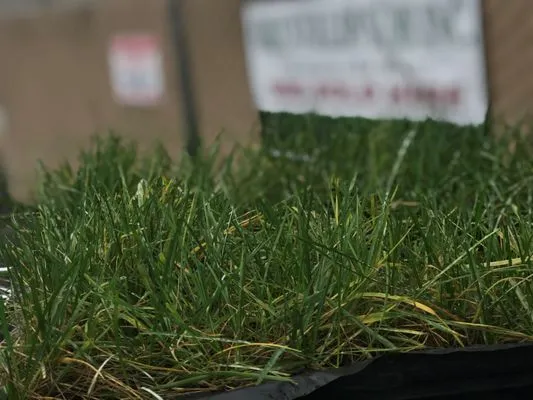
Sod And Seed in Concord, CA is a licensed nursery brokerage and general contracting service specializing in comprehensive landscaping solutions. With over 20 years of combined experience in landscapin...
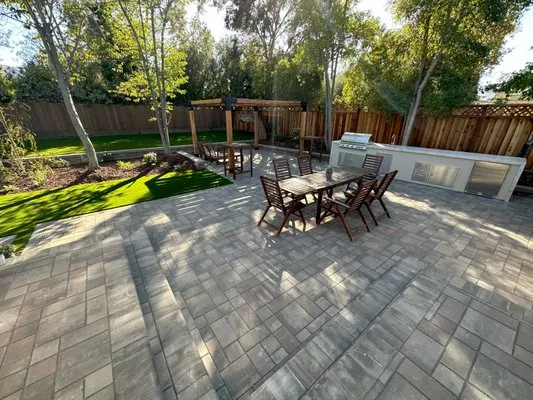
Skywood Landscaping has been transforming outdoor spaces in Northern California since 2006, bringing over 15 years of professional landscaping experience to every project. Based in Petaluma, our licen...
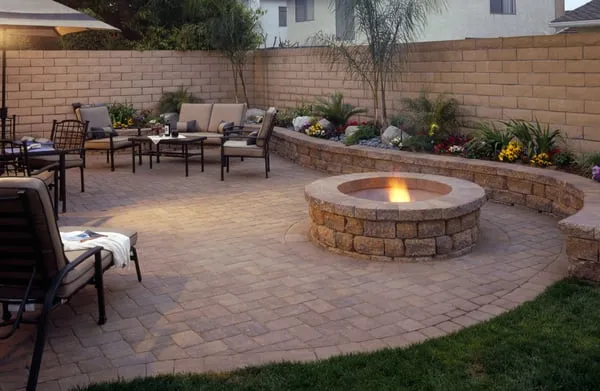
Black Diamond Paver Stones & Landscape
Black Diamond Paver Stones & Landscape in Novato, CA, is a full-service outdoor design and installation company specializing in transforming residential and commercial properties. Founded in 2004 by R...
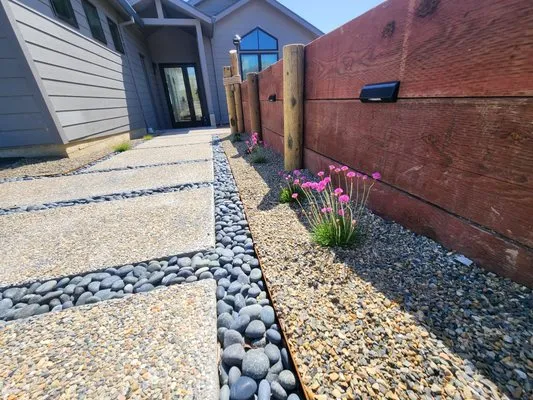
Winglewich Landscape Contracting is a licensed, second-generation landscape contracting company based in Occidental, CA, specializing in irrigation, drainage, masonry, and comprehensive landscaping se...
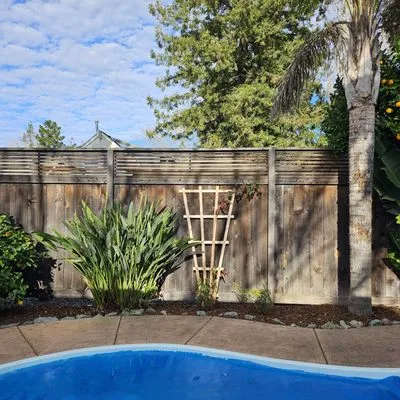
HMC Landscaping, founded by Cotati local Hugo Mendoza, is a fully licensed and insured landscape contractor serving the community since 2019. Hugo's journey from posting flyers to earning his C-27 lic...
Estimated Landscaping Service Costs in Richmond, CA
Common Questions
How can I maintain my tall fescue lawn during Richmond's voluntary water conservation stage?
Wi-Fi ET-based smart controllers adjust irrigation schedules using real-time weather data and evapotranspiration rates. These systems reduce water use 20-30% while preserving dwarf tall fescue cultivars through precise moisture delivery. Programming follows Richmond's Stage 1 voluntary conservation guidelines by eliminating runoff and matching plant water requirements. Deep, infrequent watering encourages deeper root growth that better withstands dry periods.
What landscape changes reduce maintenance while supporting local ecology?
Replacing water-intensive turf with California poppy, ceanothus, and toyon natives cuts water use 50-70% and eliminates weekly mowing. These plants require no gas-powered equipment, aligning with Richmond's expanding noise ordinance restrictions. Native plantings support pollinator populations and provide year-round visual interest with minimal inputs. Mature coast live oak and yarrow combinations create layered habitats that exceed 2026 biodiversity benchmarks.
What solutions prevent seasonal ponding in Richmond's clay-heavy yards?
Clay loam's low permeability requires integrated drainage strategies beginning with soil amendment using gypsum and organic matter. Permeable concrete pavers installed with proper base materials achieve 8-12 inches per hour infiltration rates, meeting City of Richmond Planning and Building Services runoff standards. French drains or dry wells connected to downspouts redirect water from foundation areas. Grading should maintain 2% slope away from structures to prevent water accumulation.
How do I manage invasive species without violating Richmond's fertilizer regulations?
Early identification of invasive plants like French broom or yellow starthistle prevents establishment in clay loam soils. Manual removal before seed set avoids chemical treatments that might conflict with BASMAA phosphorus runoff prohibitions. Targeted organic herbicides containing citric acid or clove oil applied during dormant periods minimize environmental impact. Soil testing determines specific nutrient deficiencies before any amendment application, ensuring compliance with local ordinances.
Are permeable pavers better than wood decking for Richmond's fire-prone areas?
Permeable concrete pavers provide superior fire resistance compared to wood, contributing to defensible space in Richmond's moderate WUI zones. Their non-combustible nature and ability to retain moisture in jointing sand reduce fire spread potential. Properly installed paver systems last 25+ years with minimal maintenance, while wood requires regular sealing and replacement. Pavers also manage stormwater runoff more effectively, reducing erosion on sloped Point Richmond properties.
What permits and licenses are needed for grading my Richmond property?
Grading on 0.15-acre Richmond lots requires City of Richmond Planning and Building Services approval for any cut/fill exceeding 50 cubic yards. Contractors must hold active CSLB C-27 landscaping licenses with grading endorsements for earthmoving operations. Erosion control plans demonstrating BASMAA compliance must accompany permit applications to prevent sediment runoff. Professional soil engineers should assess load-bearing capacity when modifying slopes greater than 3:1 ratios.
How quickly can you respond to an emergency tree cleanup after a storm in Richmond?
Emergency storm response from our Richmond Plunge dispatch point reaches Point Richmond within 25-40 minutes during peak conditions via I-580. This timeframe accounts for traffic variables while ensuring HOA compliance deadlines are met. Our electric fleet operates within Richmond's 8am-6pm weekday noise ordinance restrictions for immediate deployment. We prioritize safety assessments before debris removal to prevent property damage.
Why does my Richmond yard have such dense, compacted soil that makes planting difficult?
Point Richmond properties built around 1954 have 72 years of soil development in clay loam, creating a mature but dense profile. This soil type naturally compacts over decades, reducing pore space for root growth and water infiltration. Core aeration with organic amendments like composted green waste addresses compaction by improving soil structure and microbial activity. Regular soil testing every 2-3 years monitors pH stability in the 6.5-7.5 range common to this neighborhood.
