Top Landscaping Services in Rancho San Diego, CA, 91941 | Compare & Call
There are 230 landscaping companies server in Rancho San Diego CA
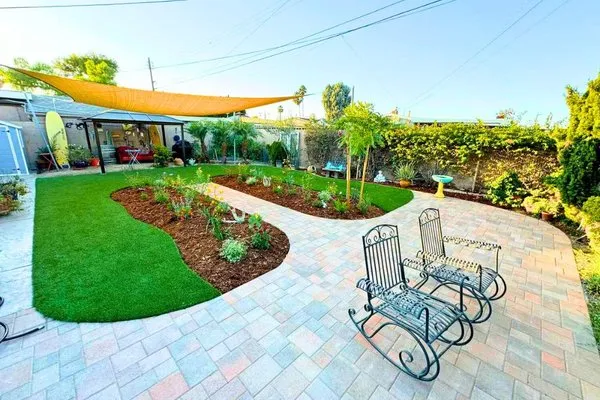
Founded by a local professional with deep roots in San Diego's landscaping industry, Eternal Turf & Pavers began as a family-owned company focused on delivering more than just quick fixes. We speciali...
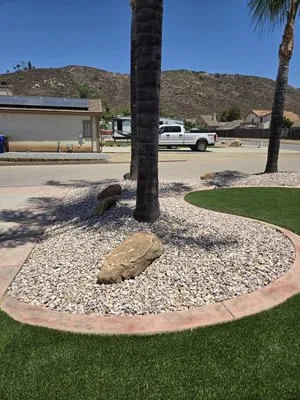
Thorson's Lawn Care, founded by Thorson Peters and Jasun, is a dedicated local team providing comprehensive yard and property clean-up services throughout San Diego and surrounding communities like Vi...
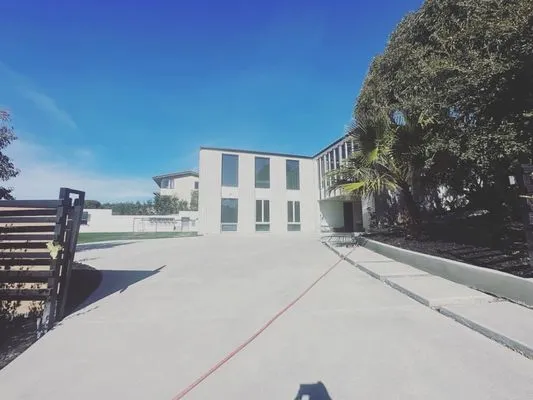
Agui's Concrete is a family-owned concrete contracting company serving San Diego with over 20 years of experience. We specialize in decorative concrete, patios, driveways, walls, BBQs, demolition, sid...
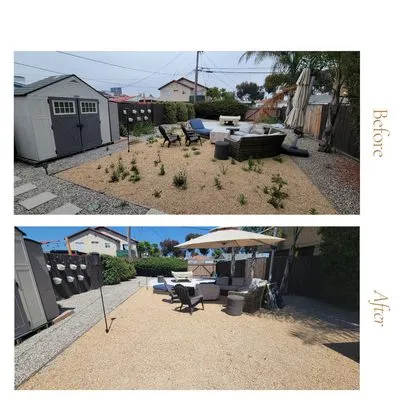
Marcos Maintenance has been a trusted San Diego landscaping partner since 2001. Founded on a passion for transformation, our licensed team focuses on turning your vision for your outdoor space into re...
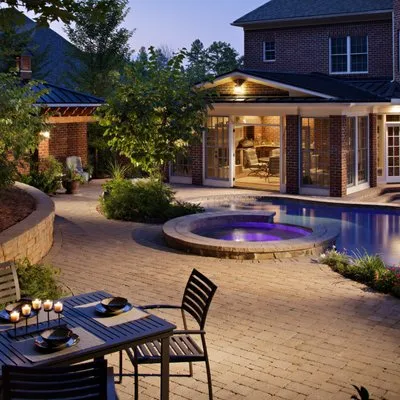
Install It Direct
Install It Direct is a licensed landscape design and installation company based in Encinitas, CA, specializing in creating functional and beautiful outdoor living spaces. Founded by Luke Whittaker, wh...
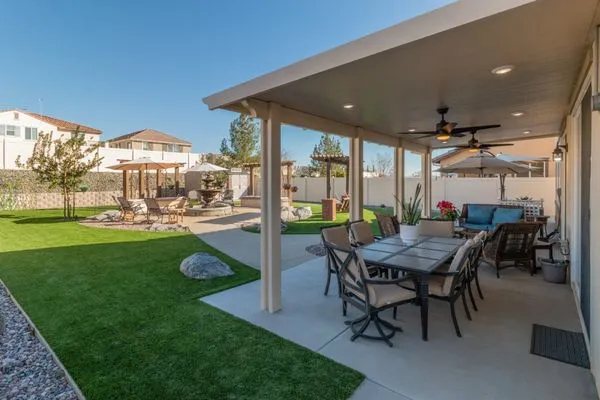
New Age Design and Build is a licensed and certified remodeling contractor serving San Diego County, specializing in comprehensive outdoor and indoor renovation services. Our vision guides us to push ...
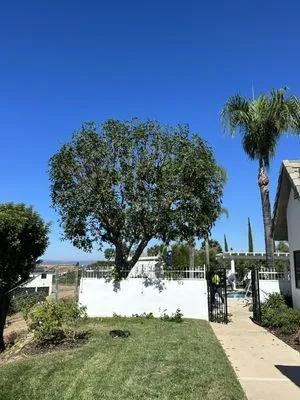
Active Landscape and Tree Service is a licensed, local company dedicated to serving Escondido and the greater San Diego area. With extensive experience in both tree care and landscaping, we focus on u...
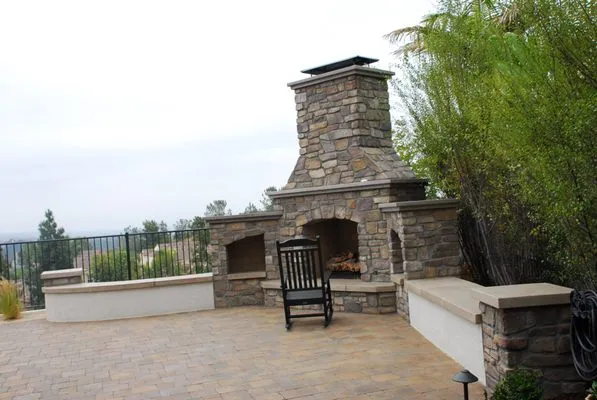
Total Landscape Designs & Development is a San Diego-based landscaping company specializing in comprehensive outdoor solutions. We combine careful planning with artistic expression to create exception...
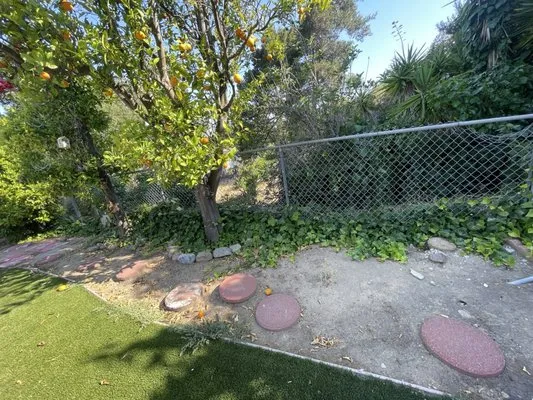
Martinez Gardening provides comprehensive outdoor solutions for San Diego homeowners, blending expert gardening with skilled construction. With over five years of dedicated service in San Diego County...
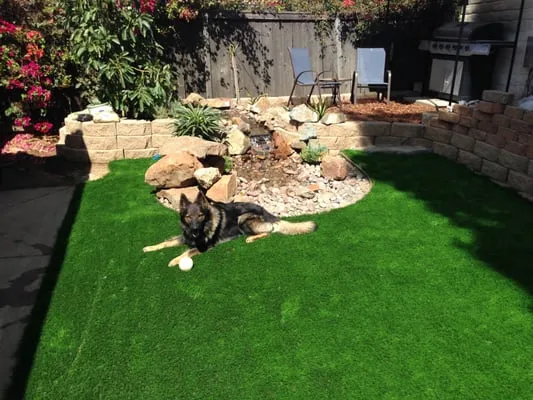
Founded in 1992, Classic Landscape & Horticulture is an El Cajon-based company built on decades of hands-on experience. Owner [Name] began working in the landscape industry in the 1980s, learning the ...
Estimated Landscaping Service Costs in Rancho San Diego, CA
Question Answers
Is there a lower-maintenance alternative to our high-water turf?
Yes, transitioning to a climate-adaptive landscape with natives like California Lilac, White Sage, and Deergrass significantly reduces water, mowing, and chemical inputs. These plants are adapted to Zone 10a and our alkaline soil. This shift also future-proofs your property against evolving noise ordinances by eliminating the need for gas-powered blowers and mowers, aligning with the transition to mandated electric maintenance fleets.
Our sloped yard has serious erosion. What's the best fix?
High runoff on slopes is a direct hazard of Alkaline Clay Loam's low permeability. The solution combines regrading to slow water flow and installing subsurface French drains. Surfacing these areas with permeable concrete pavers or decomposed granite further reduces erosion by allowing infiltration, which often helps projects meet the County of San Diego's stormwater runoff standards for new hardscape.
How quickly can you respond to an emergency cleanup after a major storm?
For urgent HOA compliance or storm debris removal, we can typically dispatch a crew within a service window. From our central staging near Cuyamaca College, we route via SR-94 to reach most Jamacha Junction properties within 25 to 40 minutes during peak conditions. This accounts for post-storm traffic and allows for safe transit of electric equipment, which operates quietly within local sound level limits.
What permits and licenses are needed to regrade our quarter-acre lot?
Any significant grading or earthwork on a 0.25-acre property typically requires a permit from the County of San Diego Planning & Development Services to ensure proper drainage and erosion control. The contractor must hold a relevant C-27 (Landscaping) or C-12 (Earthwork and Paving) license from the California Contractors State License Board (CSLB). This licensing is non-negotiable for legal protection and compliance with state stormwater regulations.
What invasive species should we watch for, and how do we treat them safely?
Be alert for invasive grasses like Bermudagrass in planted areas and persistent weeds like Spurge. Manual removal is best for small infestations. For targeted chemical treatment, we use products with low environmental impact and apply them strictly outside the Regional Water Quality Control Board's nitrogen application blackout dates to prevent stormwater contamination, always following the label for your specific soil pH.
Are permeable pavers a better choice than wood decking for our patio?
For durability and fire safety in our Very High fire risk zone, permeable concrete pavers are superior. They provide a stable, non-combustible surface that contributes to required defensible space. Unlike wood, they won't rot, warp, or attract termites, and their permeability manages runoff. Decomposed granite is another excellent, low-flammability option for pathways and seating areas.
Why is our soil so compacted and alkaline, and what can we do about it?
Homes built in the 1980s, like many in Jamacha Junction, have soil that has matured for over 40 years without significant intervention. Alkaline Clay Loam (pH 7.5-8.2) is common here and naturally compacts, reducing percolation and root penetration. To remediate this, we recommend annual core aeration paired with incorporating 2-3 inches of a high-quality, acidic organic compost to improve soil structure and gradually lower pH for healthier plant growth.
How do we keep our St. Augustine lawn green during water restrictions?
Under Stage 2 voluntary conservation, efficiency is critical. We program Wi-Fi ET-based weather-sensing controllers to apply water only when evapotranspiration data indicates a need, often reducing usage by 20-30%. For St. Augustine or Hybrid Bermuda, this means deeper, less frequent irrigation cycles timed for early morning to minimize evaporation and fungal pressure, keeping turf viable within municipal allotments.
