Top Landscaping Services in Potomac Park, CA, 93305 | Compare & Call
There are 221 landscaping companies server in Potomac Park CA
Andre's Tree Service is a trusted local provider of comprehensive tree and landscape care for homeowners and businesses throughout Bakersfield, CA. We understand the unique challenges of the Central V...
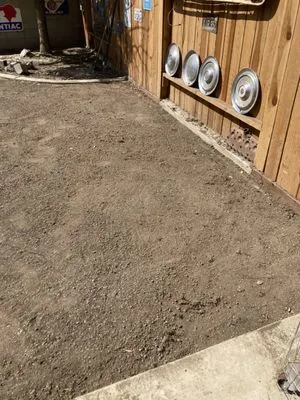
For over two decades, El Maguey Landscaping has been a trusted name for Bakersfield homeowners, founded on the extensive experience of Jesus. Our team of highly skilled professionals handles the full ...
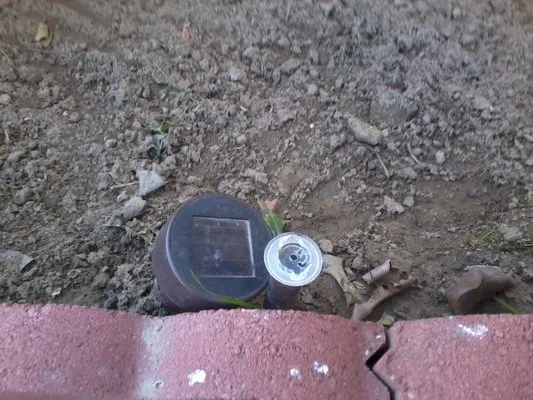
Grass Masters is a Bakersfield-based landscaping company dedicated to solving the common local problems of poor lawn grading and landscape drainage issues. Many homes in the area experience water pool...
Macassi Landscaping is a full-service Bakersfield landscaping company dedicated to building and maintaining resilient outdoor spaces suited to our local climate. We offer comprehensive services from l...
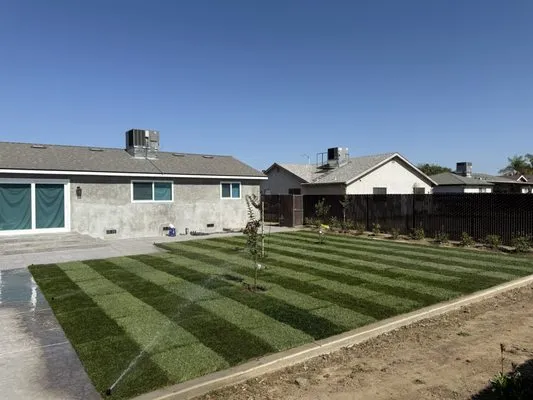
Hi, I'm Diego Castaneda, owner of DC Lawn Care in Porterville. My goal is to ensure every client has the best experience, which is why I've combined my Bachelor’s degree from Cal State Bakersfield wit...
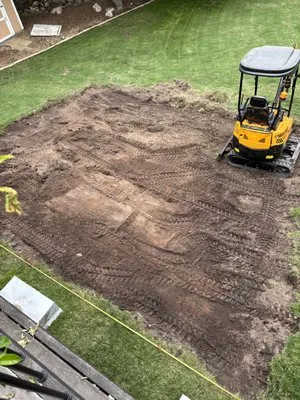
Yard Works is a dedicated lawn care service based in Bakersfield, CA, specializing in maintaining vibrant and healthy landscapes suited to our local climate. We understand a common challenge for Baker...

Socal Landscape is a full-service landscaping company serving Bakersfield and the surrounding Kern County area. We specialize in transforming outdoor spaces through comprehensive services, from initia...
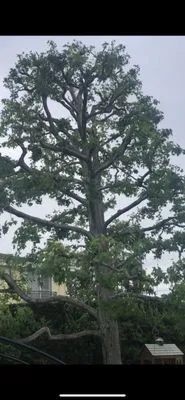
J&R Tree Service is your trusted local partner for comprehensive tree care and landscaping in Frazier Park, CA. We specialize in addressing the unique challenges of our high-desert climate, from plant...
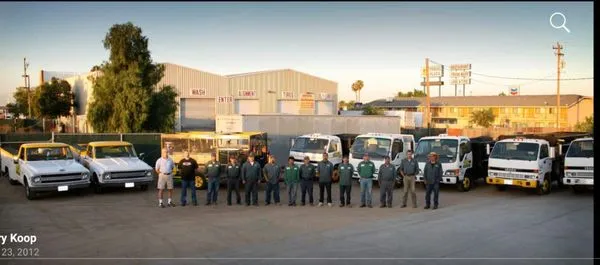
For over four decades, Alpha & Omega Gardening has been a foundational part of the Bakersfield community, transforming outdoor spaces with integrity and skill. Founded in 1982, our team is built on de...
Quintero Landscaping provides professional landscape design, construction, and irrigation services to Bakersfield homeowners. We understand the local challenges, such as inefficient irrigation systems...
Estimated Landscaping Service Costs in Potomac Park, CA
FAQs
We see invasive weeds like Yellow Starthistle. How do we treat them safely?
Invasive species like Yellow Starthistle must be addressed before they set seed. Manual removal is effective for small infestations. For larger areas, a targeted, spot-applied herbicide in early growth stages is necessary. All applications must strictly avoid forecasted rain events to comply with the local nitrogen-limited runoff ordinance. Maintaining a thick, healthy stand of desired plants is the best long-term defense against invasion.
If a storm downs a tree branch, how fast can a crew arrive for emergency cleanup?
A qualified crew dispatched from the Potomac Park Civic Center can typically reach Potomac Park Estates via I-5 within 25 to 35 minutes during peak response scenarios. This timeframe accounts for traffic and safe transport of electric-only chipping and hauling equipment, which is mandated by local noise ordinances for residential zones. Immediate triage focuses on removing hazards to structures and clearing access routes.
Our soil seems heavy and doesn't drain well. Is this common for Potomac Park Estates?
Yes, this is typical for homes built around 1969. With 57 years of maturation, the slightly alkaline loam (pH 7.4) common in this area has likely developed a compacted, clay-heavy subsoil layer. This layer impedes percolation and root growth. Annual core aeration and the incorporation of composted organic matter are essential to counteract this compaction and improve soil structure for healthy plant systems.
Our yard pools water after rain. What's a long-term solution that meets code?
Moderate runoff is a frequent issue due to clay-heavy subsoil compaction in Potomac Park's loam. A dual approach is most effective. First, install French drains or dry wells to capture subsurface water. Second, replace impervious surfaces with permeable concrete pavers. This hardscape choice increases ground infiltration and can help a project meet the California Department of Planning and Development's current standards for stormwater runoff mitigation.
How can we keep our Tall Fescue healthy with only two watering days per week?
Stage 2 water restrictions require precise management. A properly programmed Wi-Fi ET-based weather-sensing controller is critical. It automatically adjusts irrigation schedules by using local evapotranspiration data, applying water only when needed and in exact amounts. This technology, combined with deep, infrequent watering cycles that encourage deeper roots, can sustain dwarf-type Tall Fescue within the municipal limits while preventing runoff.
What permits and licenses are needed to regrade our 0.22-acre lot?
Regrading that alters drainage patterns or involves significant cut and fill typically requires a permit from the California Department of Planning and Development. The work itself must be performed by a contractor holding a valid C-27 Landscaping license or a relevant specialty license from the California Contractors State License Board (CSLB). This is legally required for projects of this scale to ensure proper engineering, liability coverage, and compliance with state code.
Are permeable pavers a better choice than wood decking for a new patio?
For longevity and fire resilience, permeable concrete pavers are superior. In Potomac Park's Moderate (WUI Zone 2) fire risk rating, non-combustible materials are advised for defensible space. Pavers offer a permanent, low-maintenance surface that also manages stormwater. Wood decking requires regular sealing, is susceptible to decay, and presents a fuel source, making it a less suitable choice for this environment.
We're tired of weekly mowing. What's a quieter, lower-maintenance alternative?
Transitioning sections of high-input turf to a climate-adaptive landscape is a forward-thinking solution. A palette of native plants like Deergrass, White Sage, Toyon, and California Poppy requires minimal water, no regular mowing, and provides superior habitat value. This shift also aligns with the move toward electric-only maintenance fleets, eliminating gas blower noise and emissions, and builds resilience ahead of potential watering restrictions.
