Top Landscaping Services in Pixley, CA, 93256 | Compare & Call
There are 230 landscaping companies server in Pixley CA
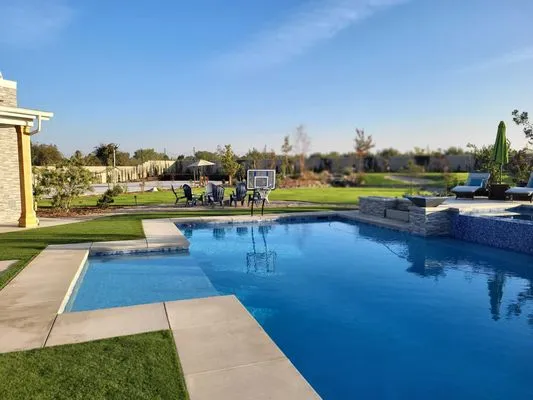
Robinson Construction Services is a family-owned general contractor, landscaper, and painting specialist serving Bakersfield and Kern County since 2019. We bring a comprehensive, hands-on approach to ...
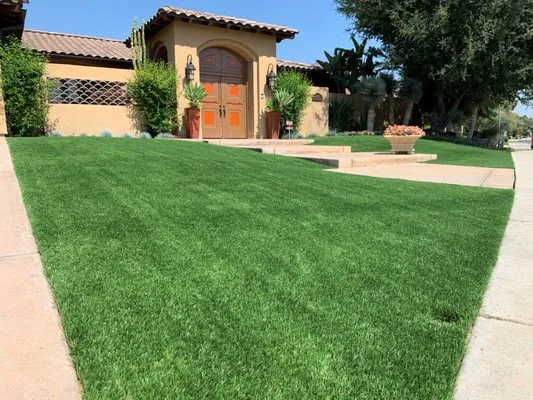
SGS Turf, Synthetic Grass Superstore
SGS Turf, a Bakersfield-based family business, has been a trusted name in synthetic grass since 2003. Born from Courts & Greens, Inc., our roots run deep in the Central Valley. Jessica, with over a de...
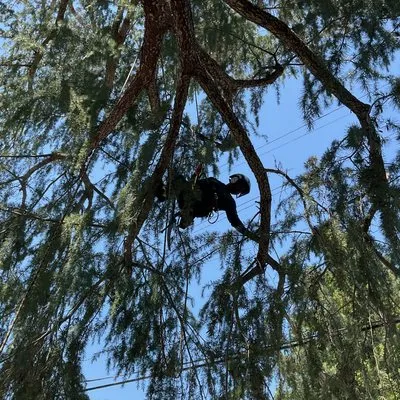
Mario's Tree Care is a locally owned and operated landscape and tree service company serving Bakersfield, CA. We specialize in comprehensive care for your outdoor space, from tree pruning and removal ...
Campbell Construction is a trusted Bakersfield-based contractor specializing in landscaping, masonry/concrete, and excavation services. With expertise in soil backfilling, earthmoving, excavation, and...
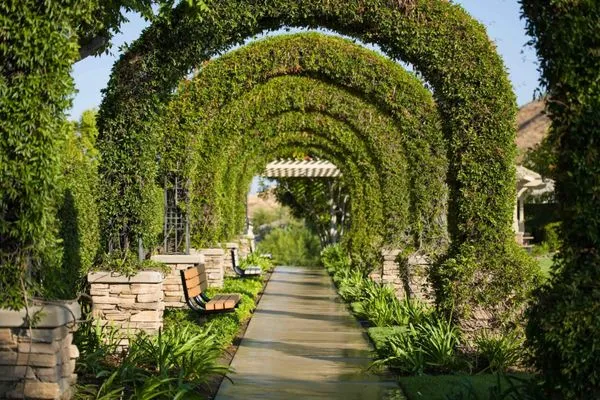
Enhanced Landscape Management
Enhanced Landscape Management has been serving California and Southern Nevada since 1984, bringing our expertise to Bakersfield in 2021. As a leading landscaping agency, we provide the widest range of...
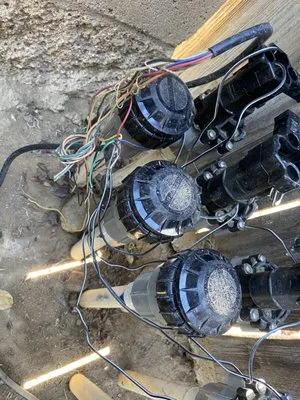
Jesus Christ Lawn Service & Landscaping is a family-owned business serving Shafter and the surrounding area since 2008. Founded by the Rivas Maldonado family, our work is guided by faith and a deep re...
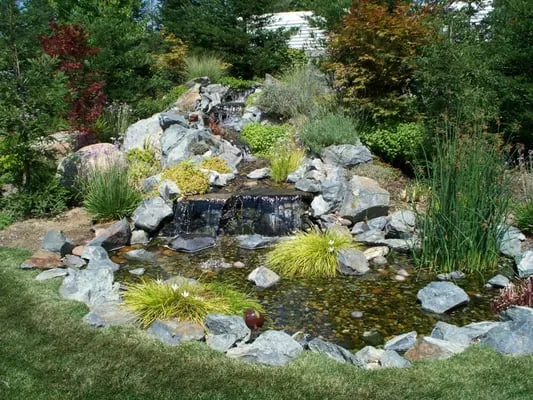
Kaylor Landscape
Kaylor Landscape has been a trusted part of the Porterville community since 1974, evolving from a small irrigation repair service into a full-service custom design and build firm. The company combines...
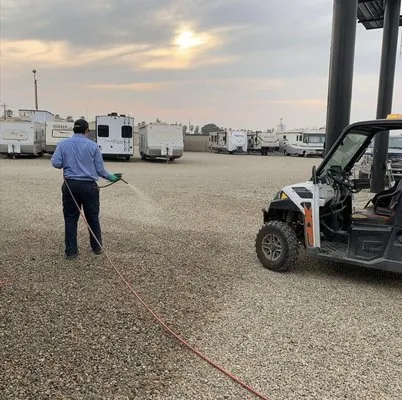
Technical Spray Services was founded right here in Kern County, born from a practical need on our family farm to manage invasive weeds. That hands-on, problem-solving approach is the foundation of our...
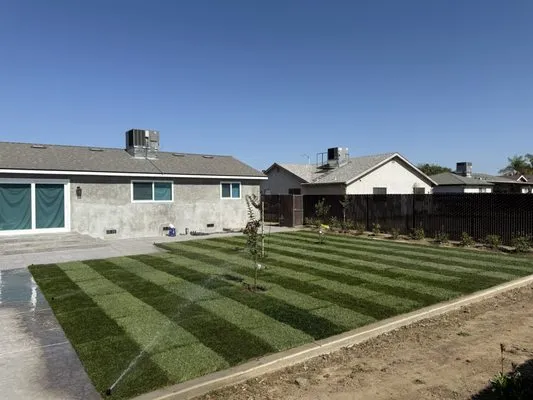
Hi, I'm Diego Castaneda, owner of DC Lawn Care in Porterville. My goal is to ensure every client has the best experience, which is why I've combined my Bachelor’s degree from Cal State Bakersfield wit...
Hanks Lawn Care is a locally owned and operated landscaping service in Bakersfield, providing comprehensive lawn and irrigation solutions for both residential and commercial properties. Our team handl...
Estimated Landscaping Service Costs in Pixley, CA
Common Questions
What invasive species should I watch for, and how do I treat them safely?
High-priority invasives in Zone 9b include Yellow Starthistle and Tree of Heaven. Manual removal before seed set is most effective. For herbicide use, strictly follow the state-regulated nutrient management plan to prevent runoff, and adhere to any local blackout dates. Always apply targeted, systemic herbicides in calm weather to avoid drift and protect nearby natives like Valley Oak and milkweed.
Is decomposed granite a good choice for a patio compared to wood?
Decomposed granite is a superior, non-combustible material for our Moderate Fire Wise rating (WUI Zone 2). It provides excellent defensible space, requires no sealing, and offers natural permeability for drainage. Unlike wood, it will not rot, warp, or attract pests, providing decades of service with minimal upkeep. Its earthy aesthetic also blends seamlessly with native plant palettes.
How fast can you respond for an emergency tree cleanup after a storm?
Our peak storm response time from our central dispatch near Pixley Park is 45 to 60 minutes. Crews route via Highway 99, which provides the most direct arterial access to the Town Center. We prioritize safety and traffic conditions, and our electric fleet operates within the standard 7am to 7pm commercial hours to comply with local noise ordinances during the response.
Water pools in my yard after irrigation. What's the solution for our soil type?
Alkaline sandy loam in Pixley often develops a hardpan layer, causing poor infiltration and surface pooling. The primary fix is sub-surface drainage, such as installing a French drain system tied to a dry well. For new hardscapes, use permeable decomposed granite to meet Tulare County Resource Management Agency runoff standards. These methods work together to manage high salinity and direct water away from foundations.
What permits and licenses are needed to regrade and landscape my 0.22-acre lot?
Any significant grading or earthmoving on a 0.22-acre property requires a permit from the Tulare County Resource Management Agency to ensure proper drainage and erosion control. The contractor must hold a valid C-27 Landscaping license from the California Contractors State License Board. This licensing is mandatory for projects exceeding $500 in labor and materials, guaranteeing work meets state code and protects your property investment.
Our soil feels hard and drains poorly. Why does this happen in Pixley Town Center, and what can we do?
Pixley Town Center lots developed around 1984 have 42-year-old soil that is likely compacted from construction and decades of foot traffic. The native alkaline sandy loam naturally has low organic matter, which degrades aggregate structure over time. To restore permeability, implement core aeration followed by top-dressing with composted organic matter; this will lower surface pH and improve water infiltration for healthier root zones.
How can I keep my Bermudagrass green during Stage 2 water restrictions?
Smart Wi-Fi ET-based controllers are essential for compliance. They adjust irrigation schedules daily based on real-time evapotranspiration data, applying water only when the turf needs it. This technology can reduce water use by 20-30% while maintaining Bermudagrass health. Deep, infrequent watering cycles encourage deeper roots, making the lawn more resilient to drought and salinity stress common in our area.
Is there a lower-maintenance alternative to my high-water Bermudagrass lawn?
Transitioning to a climate-adaptive landscape with natives like Deergrass, California Poppy, and Narrowleaf Milkweed significantly reduces water and maintenance. This xeriscape approach creates habitat and stays ahead of regulatory trends, such as gas-powered blower restrictions tied to noise ordinances. An established native planting requires no weekly mowing, minimal irrigation, and supports local biodiversity, aligning with 2026 ecological standards.
