Top Landscaping Services in Pittsburg, CA, 94509 | Compare & Call
There are 217 landscaping companies server in Pittsburg CA

B&J Landscaping Maintenance has been serving Pittsburg homeowners and businesses since 2015, bringing over nine years of professional expertise to every project. As a locally established and certified...
Sol Maintenance serves Pittsburg, CA, as a comprehensive landscaping and outdoor construction partner. Specializing in landscape design, construction, and maintenance, we address common local issues l...
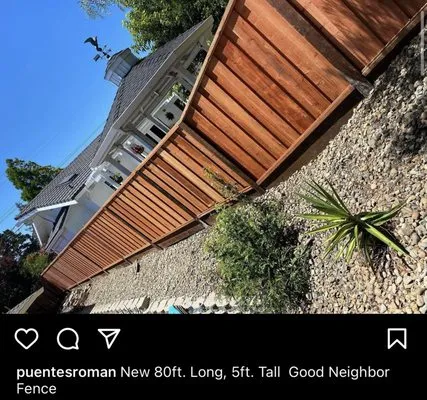
Román Garden Service is a dedicated Pittsburg-based team providing expert gardening and lawn care solutions tailored to the specific needs of local properties. We understand the common local challenge...
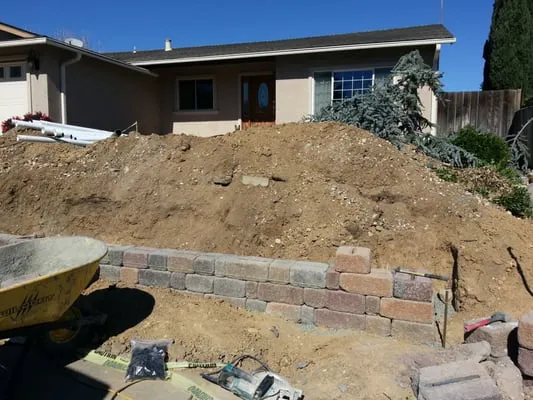
Sterry Construction is your trusted Martinez-based contractor, specializing in fireplace services, masonry, and landscaping solutions. For over a decade, we've helped Contra Costa County homeowners en...
ADA Landscaping serves Pittsburg, CA, providing comprehensive landscape solutions for residential and commercial properties. We specialize in irrigation systems, landscape construction, and detailed p...

Riseview Cleaning Service
Riseview Cleaning Service is your trusted, local partner in Pittsburg, CA, dedicated to enhancing the comfort and value of your home and business. We offer a comprehensive range of cleaning and lawn c...
For over a decade, Ramirez Brothers Landscaping has been the trusted local choice for Pittsburg homeowners and businesses. Founded by Mario Ramirez and built from the ground up, this family-run compan...
Estimated Landscaping Service Costs in Pittsburg, CA
Question Answers
I'm tired of weekly mowing and gas blower noise. What are my options?
Transitioning to a climate-adapted landscape is a direct solution. Replacing high-input Tall Fescue with a palette of natives like Deer Grass, Purple Sage, and Western Redbud drastically reduces mowing, watering, and the need for loud gas-powered equipment. This aligns with evolving noise ordinances and prepares your property for a quieter, electric maintenance fleet future. A layered planting of these species also provides superior habitat value and year-round visual interest.
Are permeable pavers a good choice for a new patio here, or should I use wood?
Permeable concrete pavers are the superior technical choice for Pittsburg's climate and fire risk. Unlike wood, which requires sealing and decays, pavers have a 25+ year lifespan with no maintenance and directly mitigate the poor drainage of clay soil. Their non-combustible nature also contributes to defensible space in this Moderate Fire Wise rating zone, a critical consideration for properties near the Wildland-Urban Interface. The initial investment pays back in durability and reduced long-term liability.
My yard floods in winter but cracks in summer. What's the solution?
This is the classic shrink-swell behavior of Capay Clay, which has very poor permeability. The solution involves improving sub-surface drainage and redirecting surface flow. We install French drains or dry wells in chronic wet areas and regrade to direct water away from foundations. Replacing solid concrete with permeable concrete pavers for patios and walkways also increases infiltration, which is a recommended standard for meeting Pittsburg Planning Division's stormwater runoff requirements.
Why does my soil seem so hard and lifeless compared to newer neighborhoods?
Properties in Old Town Pittsburg, built around 1983, have soil that is now 43 years old and undisturbed. The native Capay Clay subsoil dominates these lots, having never been properly amended after construction. This soil type hardens significantly when dry, leading to poor permeability and compaction that restricts root growth and water movement. Annual core aeration and the incorporation of 2-3 inches of compost are essential to rebuild structure and increase organic matter in this mature, degraded profile.
How quickly can you respond for an emergency tree cleanup after a storm?
Our emergency storm response protocol dispatches crews from our staging area near the Pittsburg Marina. Using CA-4, we can typically reach most Old Town addresses within 20-30 minutes during peak response windows, assuming standard traffic conditions for the corridor. We prioritize securing the site and clearing hazards to restore access and safety, coordinating with the city if any debris blocks public right-of-way.
Will my lawn survive with the current water restrictions?
Yes, with precise management. Under Stage 1 voluntary conservation, efficient irrigation is key. Wi-Fi ET-based smart controllers are calibrated for our local climate, applying water only when evapotranspiration data indicates a need. For Tall Fescue turf, this means deep, infrequent watering cycles timed for early morning to minimize evaporation. This technology often reduces water use by 20-30% while maintaining turf health, keeping you well within municipal guidelines.
What permits and credentials should I verify before hiring for a grading and drainage project?
Any significant earth-moving or grading on a 0.15-acre lot typically requires a grading permit from the Pittsburg Planning Division. You must hire a contractor holding a valid C-27 (Landscaping) license or a C-12 (Earthwork and Paving) license from the California Contractors State License Board. This licensing ensures they carry insurance and bond, and are legally responsible for the work. The CSLB license number should be verified online, as unlicensed work voids most warranties and exposes you to significant financial risk.
What's that invasive vine covering my fence, and how do I remove it safely?
That is likely Field Bindweed or perennial Morning Glory, a pervasive invasive in our area. Manual removal requires persistent digging to exhaust the root system, as any fragments can resprout. For chemical control, a targeted, systemic herbicide applied precisely to the foliage is most effective. This must be done during active growth and on a calm day to absolutely prevent drift or runoff, ensuring strict compliance with the Regional Water Board's MS4 regulations that prohibit contaminants entering the storm drain.
