Top Landscaping Services in Pismo Beach, CA, 93448 | Compare & Call
There are 238 landscaping companies server in Pismo Beach CA

Green Heart is a professional landscaping and lawn care company serving Arroyo Grande, CA, with a focus on reliable, detail-oriented services that promote healthy plants, clean results, and long-term ...
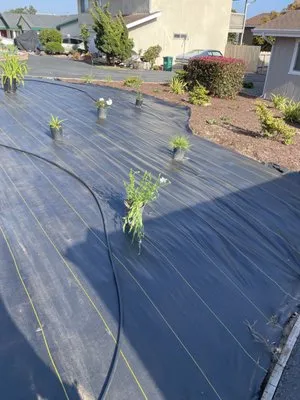
For over 15 years, Garcia Landscaping has been the trusted local choice for Grover Beach homeowners. We specialize in creating and maintaining beautiful, functional outdoor spaces that thrive in our u...
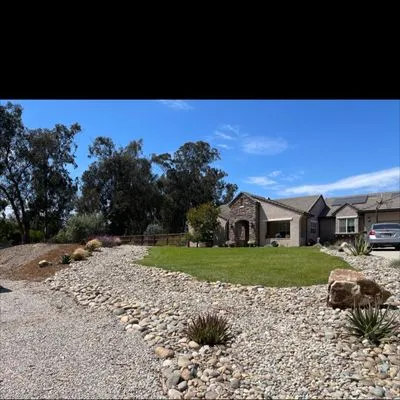
SLO Landscaping is a trusted, locally-owned landscaping company serving San Luis Obispo and the surrounding areas. Founded in 2018, we have built a reputation for creating and maintaining beautiful, f...
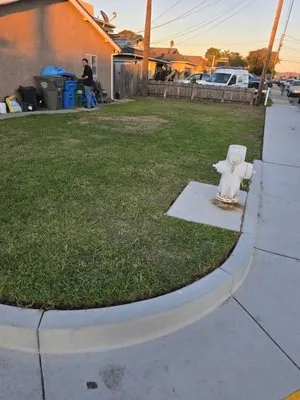
Total Home Care and Concierge is a locally owned business in Grover Beach, CA, founded in 2025 by a group of friends who recognized the need for unified home care solutions. We specialize in landscapi...
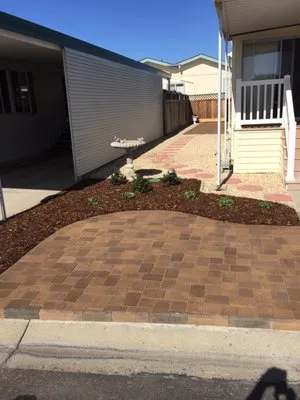
Evergreen Landscaping has been a trusted partner for Pismo Beach homeowners and businesses since 1995, offering comprehensive outdoor solutions. As a licensed and insured company, we specialize in eve...
SiteOne Landscape Supply in Arroyo Grande, CA, is your local source for landscaping solutions tailored to the Central Coast's unique climate. We help homeowners address common issues like plant heat s...
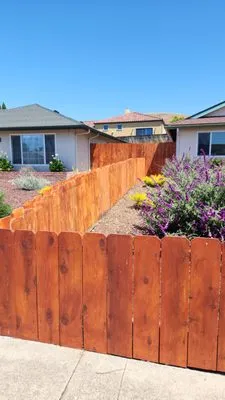
Hugo's Landscaping Care is a family-owned lawn service business in Arroyo Grande, CA, founded by Hugo after 9 years of hands-on experience working for local companies. Together with his wife, they bui...
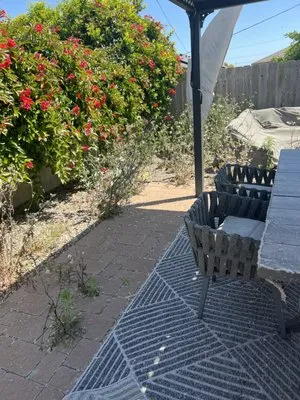
Frakes-Scapes Landscaping is a full-service landscaping company serving Arroyo Grande, CA, specializing in landscape design, construction, and installation. We address common local issues like poor la...
Hacienda Gardening is your local landscaping partner in Grover Beach, CA, specializing in durable and low-maintenance solutions for Central Coast properties. We understand the unique challenges local ...
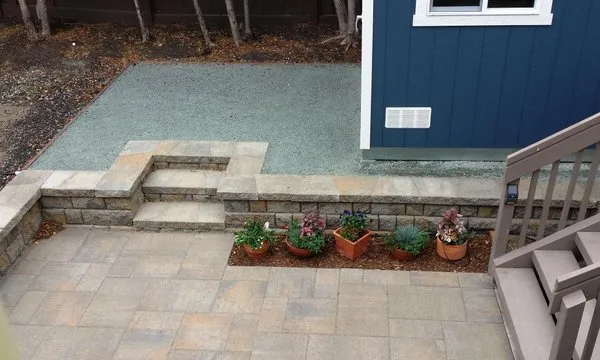
Nichols and Smyth Landscape
Nichols and Smyth Landscape Company has been enhancing outdoor living in Arroyo Grande since 1983. As a family-owned landscape contractor, we specialize in transforming yards with comprehensive design...
Estimated Landscaping Service Costs in Pismo Beach, CA
FAQs
How quickly can you respond to storm damage for HOA compliance?
Emergency cleanup dispatch originates near Pismo Beach Pier, traveling north on US-101 to Price Canyon within 20-30 minutes during peak conditions. Our electric maintenance fleet operates within the 8am-6pm gas-powered equipment window while meeting noise ordinances. We prioritize fallen branch removal and erosion control to maintain defensible space requirements in this moderate fire risk zone.
Why does my Price Canyon yard struggle with compaction despite regular watering?
Properties built around 1984 in Pismo Beach have approximately 42 years of soil development. Sandy loam soil in coastal neighborhoods like Price Canyon naturally compacts over decades, reducing permeability to 0.5-1.5 inches per hour. Core aeration every 2-3 years introduces oxygen channels while incorporating 2-3 inches of composted organic matter improves water retention. This addresses the pH 6.5-7.2 range that limits nutrient availability in mature landscapes.
Are permeable pavers better than wood for fire-resistant landscaping?
Permeable concrete pavers maintain structural integrity for 25+ years versus wood's 10-15 year lifespan in coastal salt air. Their non-combustible nature satisfies moderate WUI zone requirements for defensible space, particularly within 30 feet of structures. Unlike wood decking that requires chemical treatments, pavers naturally drain rainfall while providing stable surfaces that don't degrade from UV exposure or moisture fluctuations.
What solutions prevent runoff on sloped coastal properties?
Moderate runoff on sandy loam slopes requires graded swales directing water to infiltration basins. Permeable concrete pavers achieve 5-8 inches per hour permeability rates, exceeding Pismo Beach Community Development Department's stormwater standards. We install French drains with clean washed gravel behind retaining walls, creating gradual terraces that reduce erosion while allowing natural percolation through the soil profile.
Can I maintain Tall Fescue turf under Stage 1 water restrictions?
Wi-Fi ET-based irrigation systems precisely match evapotranspiration rates to dwarf Tall Fescue's 1-1.5 inch weekly needs. These controllers automatically adjust for coastal humidity and salt spray conditions, reducing water use 20-30% compared to traditional schedules. Drip irrigation zones for ornamental plantings operate separately from turf areas, ensuring compliance with voluntary conservation measures while maintaining turf health through summer fog patterns.
How do I manage invasive species without chemical runoff?
Ice plant and French broom require mechanical removal before seed set in early spring, coinciding with peak mulching season. We apply organic herbicides only during dry periods to prevent violations of Regional Water Quality Control Board stormwater permits. Soil testing determines specific nutrient deficiencies rather than blanket fertilization, using mycorrhizae inoculants to strengthen native plant competitiveness against invaders.
What permits and licenses are needed for grading my 0.15-acre lot?
The Pismo Beach Community Development Department requires grading permits for any cut/fill exceeding 50 cubic yards on 0.15-acre parcels. Contractors must hold C-27 Landscaping or C-12 Earthwork licenses from the California Contractors State License Board, with additional certification for erosion control installation. These requirements ensure proper slope stabilization and drainage engineering that prevents downstream impacts in coastal watersheds.
Should I replace high-maintenance turf with native plants?
Transitioning to California Poppy, Ceanothus, and Salvia mellifera reduces mowing frequency from every 10-14 days to seasonal maintenance. These natives establish deep taproots within 2-3 years, stabilizing slopes while requiring 80% less irrigation. This approach future-proofs landscapes against tightening noise ordinances restricting gas-powered blowers and aligns with 2026 biodiversity standards for coastal habitats.
