Top Landscaping Services in Pine Mountain Club, CA, 93222 | Compare & Call
There are 222 landscaping companies server in Pine Mountain Club CA
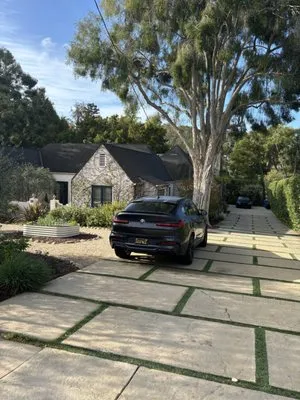
Mendoza Landscaping is a trusted, local Santa Barbara provider specializing in comprehensive lawn and tree services. We understand the unique challenges homeowners face in our coastal community, parti...
Blue Agave Landscape & Maintenance is a full-service Santa Barbara landscaping company dedicated to enhancing and preserving the natural beauty of local properties. We specialize in a comprehensive ra...
Enviroscaping is a Goleta-based landscaping and irrigation company dedicated to creating and maintaining beautiful, functional, and sustainable outdoor spaces for local homeowners. We specialize in a ...
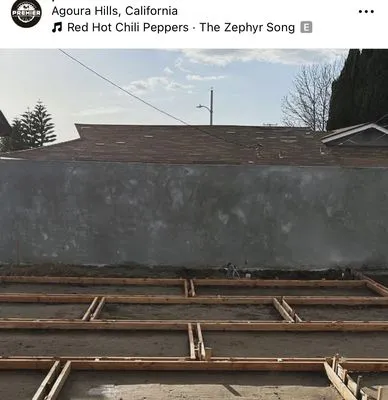
Premier Landscape Solutions is a trusted, family-owned landscaping contractor based in Camarillo, CA, with over 15 years of hands-on experience enhancing local outdoor spaces. We hold CSLB License #11...
Good Landscaping is a trusted lawn care provider serving Camarillo, CA, specializing in professional lawn services to address common local landscaping challenges. Many Camarillo homeowners struggle wi...
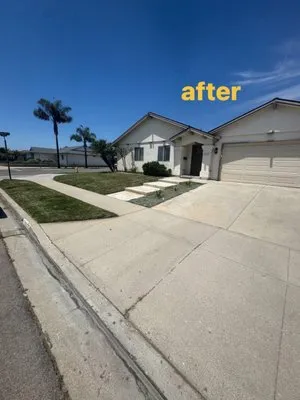
ESP Landscaping is a trusted local provider in Camarillo, specializing in comprehensive lawn, irrigation, and tree care services for Ventura County homeowners. We focus on reliable, detail-oriented ma...

A & J AG Farm Services is a trusted landscaping company serving Delano, CA, specializing in earthmoving and regrading to address common local landscaping challenges. Many Delano homeowners face issues...

Grey4Green is a Hawaiian Gardens-based irrigation and landscaping company specializing in greywater solutions. We transform lightly used water from showers and laundry into a sustainable resource for ...
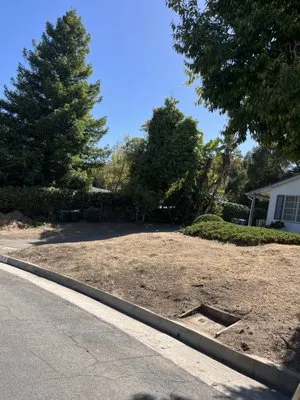
JC Mejia Landscaping and Maintenance is a Lompoc-based landscaping company serving homeowners with comprehensive outdoor solutions. Specializing in gardening, irrigation construction, landscape instal...

Urban Greening is a full-service landscaping company serving Ventura, CA, specializing in sustainable and resilient outdoor design and construction. We focus on creating beautiful, functional landscap...
Estimated Landscaping Service Costs in Pine Mountain Club, CA
Frequently Asked Questions
Is a wooden deck a bad idea for our high-fire-risk area?
In an Extreme Firewise (WUI Zone 4) rating, combustible materials like wood decks pose a significant risk. Non-combustible hardscape using local flagstone or decomposed granite is the recommended standard for defensible space. These materials provide permanent, fire-resistant structure and require no chemical treatments, outperforming wood in longevity and safety within the home ignition zone.
We want to regrade a portion of our .35-acre lot. What permits and contractor checks are required?
Any significant grading on a slope in Pine Mountain Club requires a permit from the Kern County Planning and Natural Resources Department to ensure erosion control and drainage plans are certified. You must hire a contractor with a valid C-27 Landscaping license from the California Contractors State License Board (CSLB). This license is mandatory for earthwork projects of this scale to guarantee proper bonding, insurance, and adherence to state code.
We have an HOA notice for overgrowth and need immediate service. How quickly can a crew arrive?
For urgent HOA compliance, we dispatch from the Pine Mountain Village Center. The route follows Frazier Mountain Park Road from Interstate 5, factoring in mountain terrain. A dedicated crew can typically be on-site within the 90–120 minute window for emergency cleanup, coordinating work within the 7 AM to 7 PM noise ordinance for gas-powered equipment.
We're tired of constant mowing and blowing. What's a quieter, lower-maintenance alternative?
Transitioning to a climate-adaptive landscape with native plants like Deerbrush, Mountain Mahogany, and Western Wallflower drastically reduces maintenance. This established palette requires no mowing, minimal water, and little seasonal cleanup, aligning with the shift away from gas-powered blowers. It creates a resilient, biodiverse habitat that naturally meets the NFPA Firewise Community standards for defensible space.
Our yard seems to fight every plant we put in. Is our soil just naturally poor here in the Village?
Properties in Pine Mountain Club Village, built around 1979, sit on nearly 50-year-old soils. The native granitic sandy loam was likely compacted during original construction and has since lost organic matter. This results in low water retention and nutrient availability, despite its good pH (6.2-6.8). Core aeration and incorporating 2-3 inches of compost are critical first steps to rebuild soil structure and support healthy root systems.
Water runs straight off our slopes, taking soil with it. What's a permanent fix?
Your granitic sandy loam has high permeability at the surface but can seal and shed water on slopes, causing high erosion. The solution is to slow and absorb runoff using permeable strategies. Installing terraces with local decomposed granite and flagstone dry creek beds adds permeability and meets Kern County Planning's runoff standards by managing flow velocity and volume before it leaves your property.
We've spotted what looks like invasive Scotch Broom. How do we handle it without harming the watershed?
Scotch Broom is a high-priority invasive here. Manual removal is best, ensuring the entire root crown is extracted. For larger infestations, targeted, non-residual herbicide applied by a licensed professional during approved seasons is effective. This approach prevents soil and water contamination, strictly adhering to the local nitrogen-restricted fertilizer ordinance and watershed protection protocols to avoid runoff.
With Stage 2 water restrictions, how can we possibly keep a lawn alive?
Stage 2 mandates require precise water application. A Wi-Fi ET-based irrigation system is the solution, scheduling drip or short-cycle sprays based on real-time evapotranspiration data from local weather stations. This technology applies water only when and where needed, maintaining limited fine fescue areas while staying well below municipal allotments, as it directly replaces guesswork with climate data.
