Top Landscaping Services in Phoenix Lake, CA, 95370 | Compare & Call
There are 238 landscaping companies server in Phoenix Lake CA
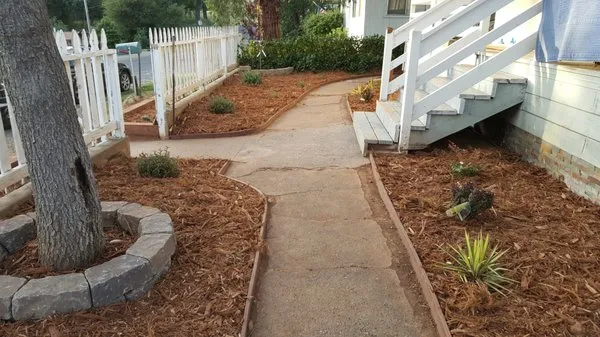
Founded by Christopher Stiles, Elemental Landscaping brings over a decade of hands-on experience to every project in Sonora and the surrounding Sierra foothills. As a local, owner-operated company, we...
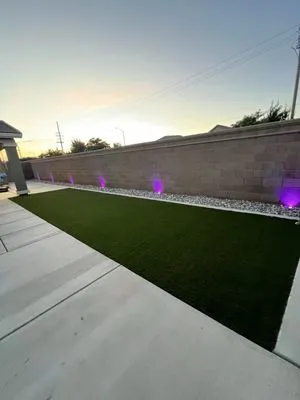
Bay Valley Synthetic Turf is a licensed and bonded artificial turf installation company in Ceres, CA, with over 15 years of experience. They specialize in creating durable, low-maintenance synthetic l...
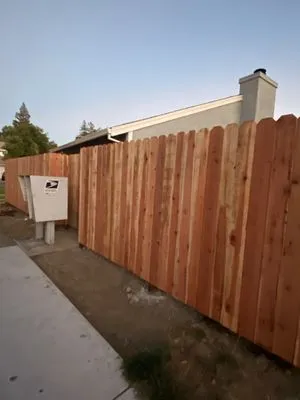
Inspiration Landscaping and Maintenance is a full-service Modesto landscaping company dedicated to transforming and maintaining Central Valley outdoor spaces. We specialize in everything from landscap...
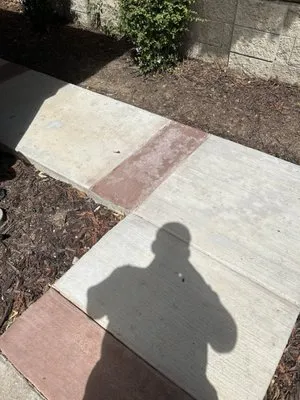
Green Valley Landscaping is a family-run business in Modesto, CA, with a combined 50 years of hands-on experience. Our foundation is built on hard work and a dedication to quality that ensures every p...
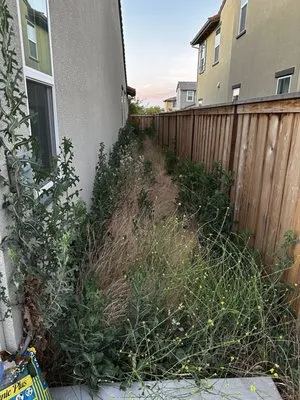
F & M Landscaping is a family-owned landscaping company serving Modesto, CA since 1998. With over 25 years of experience, we specialize in comprehensive outdoor care including landscape design, constr...
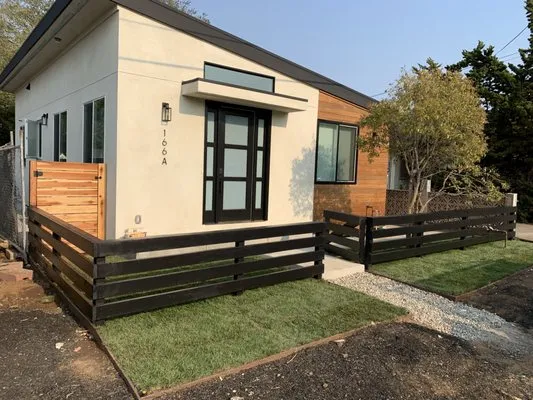
Maldonado Landscaping is a licensed, full-service landscaping company serving Ceres, CA, and the surrounding area. We provide a comprehensive range of services from initial design and construction to ...
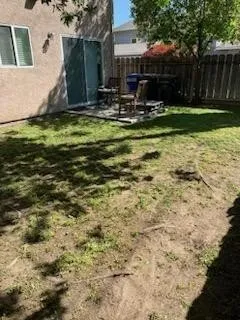
Complete Landscaping And Gardening is a licensed and insured landscaping service based in Salida, CA, specializing in comprehensive outdoor solutions for both residential and commercial properties. Wi...
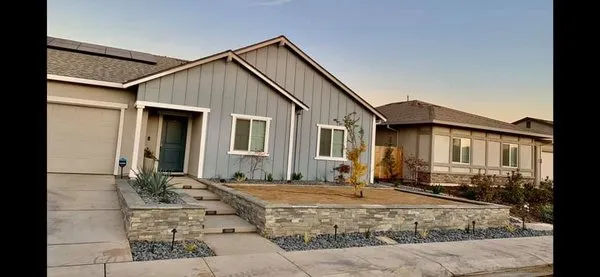
Direct Landscape in Modesto, CA, is a full-service landscaping and masonry company dedicated to building and maintaining resilient outdoor spaces for the Central Valley. We specialize in everything fr...
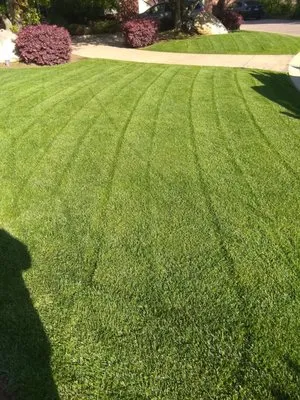
Menos Lawn Yard in Modesto, CA specializes in comprehensive lawn and yard services designed to transform outdoor spaces into well-maintained, beautiful areas. We offer lawn mowing and maintenance to k...
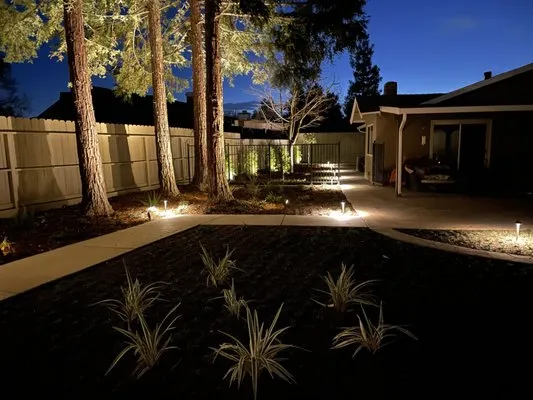
Augusta Lawn Care Services of Modesto is a locally owned and operated lawn and tree care company serving Modesto, Manteca, Ripon, and surrounding communities. Our licensed, bonded, and insured team pr...
Estimated Landscaping Service Costs in Phoenix Lake, CA
Questions and Answers
How do we maintain Tall Fescue during Stage 1 water restrictions without wasting water?
Wi-Fi ET-based weather sensing irrigation calculates precise evapotranspiration rates for Phoenix Lake's microclimate. This system adjusts watering schedules daily based on temperature, humidity, and wind data. Tall Fescue requires 1-1.5 inches weekly during peak season, which ET-based controllers deliver efficiently. Municipal water limits are maintained through soil moisture sensors that prevent overwatering during voluntary conservation periods.
What permits and licenses are needed for grading work on our half-acre lot?
Tuolumne County Community Development Department requires grading permits for any earth movement exceeding 50 cubic yards on 0.50-acre properties. Contractors must hold CSLB C-27 Landscaping or C-12 Earthwork licenses for such projects. Unlicensed grading risks fines up to $15,000 and voided insurance coverage. Professional licensing ensures compliance with slope stability calculations and erosion control measures mandated for granitic soil conditions.
We've spotted invasive plants spreading near our property. How should we handle this safely?
Common invasive alerts in Zone 9a include French broom and yellow starthistle, which outcompete native vegetation. Manual removal before seed set combined with targeted organic herbicides avoids nitrogen runoff violations. Treatment timing avoids fertilizer ordinance blackout dates typically in winter months. Regular monitoring and immediate action prevent establishment while protecting soil microbiology and surrounding ecosystems.
We need emergency storm cleanup before our HOA inspection tomorrow. How quickly can you respond?
Our electric maintenance fleet can dispatch from Phoenix Lake Golf Course via CA-108 within 45-60 minutes during peak response times. We prioritize emergency cleanup for erosion control and safety compliance. The route avoids residential congestion while adhering to noise restrictions between 7 PM and 7 AM. All equipment meets WUI Zone 2 fire safety standards for immediate deployment.
Our sloped property has erosion issues after heavy rains. What drainage solutions work with our soil type?
Granitic sandy loam has high erosion potential on slopes exceeding 15% grade. Permeable decomposed granite and river rock hardscapes increase surface infiltration by 40-60% compared to impervious materials. French drains with clean gravel and geotextile fabric redirect subsurface water flow. Tuolumne County Community Development Department requires engineered drainage plans for lots with significant runoff to protect downstream properties.
We're considering adding a patio. How does decomposed granite compare to wood for fire safety?
Decomposed granite provides superior fire resistance with an ignition temperature exceeding 1000°F, while wood decking ignites at 400-500°F. This non-combustible material maintains defensible space requirements for WUI Zone 2 compliance. River rock borders create natural firebreaks without compromising drainage. Proper installation with weed barrier fabric prevents vegetation growth that could compromise fire-wise ratings over time.
Our 1978 Phoenix Lake Park Estates home has struggling plants. Could the soil be depleted after all these years?
With 48 years of soil maturity since 1978, granitic sandy loam in this neighborhood has likely become compacted and nutrient-deficient. This soil type naturally loses organic matter over decades, reducing water retention and root penetration. Core aeration combined with 2-3 inches of composted organic matter will improve soil structure and microbial activity. Regular soil testing every 2-3 years helps monitor pH levels between 6.2 and 6.8 for optimal nutrient availability.
We want to reduce maintenance and noise from gas equipment. What native plants could replace some turf?
California Buckeye, Manzanita, Deergrass, and Western Redbud provide year-round interest with minimal irrigation once established. These natives require no gas-powered blowers for cleanup, aligning with noise ordinance restrictions. A phased conversion of 30-50% turf area to native plantings reduces water use by 60-70% annually. Electric maintenance equipment operates quietly within permitted hours while supporting biodiversity goals.
