Top Landscaping Services in Petaluma, CA, 94952 | Compare & Call
There are 229 landscaping companies server in Petaluma CA
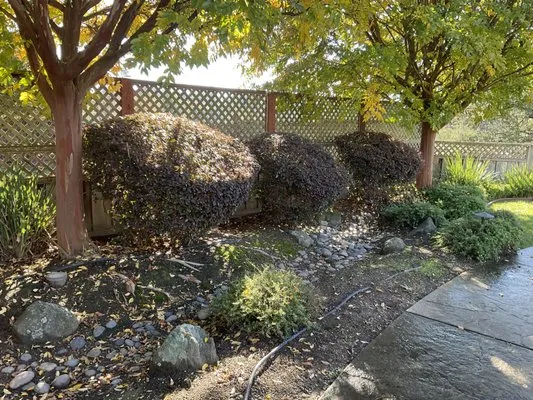
Lopez Landscaping Services brings over a decade of dedicated expertise to Rohnert Park, offering comprehensive care for your outdoor spaces. From routine lawn mowing and precise shrub trimming to comp...
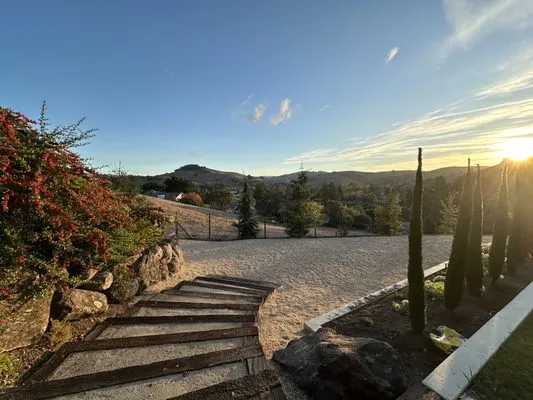
Dewdrop Irrigation & Landscape
Dewdrop Irrigation & Landscape is a full-service landscaping company serving Petaluma, CA, specializing in irrigation systems, landscape design, and construction. We help homeowners and businesses cre...
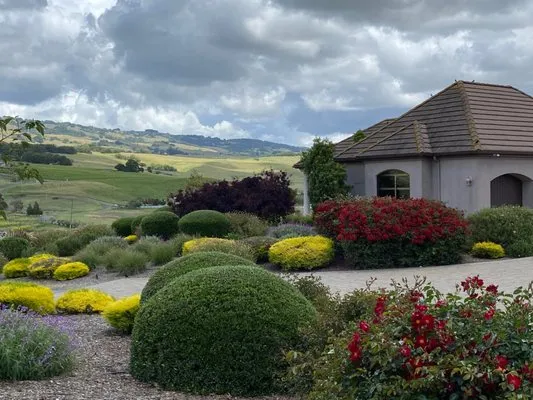
Serenity Landscaping is a full-service landscaping company proudly serving Penngrove and surrounding Sonoma County areas. We understand that local homeowners often face frustrating and wasteful issues...
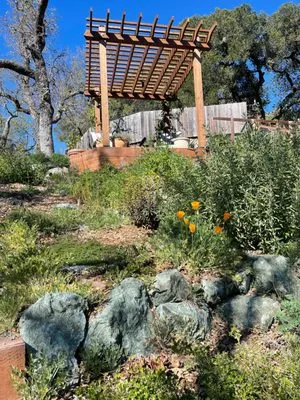
Elliott Land Management is a Fairfax-based landscaping service with deep roots in California craftsmanship and land stewardship. Founded by Joe Elliott, a 5th generation Californian raised by a carpen...
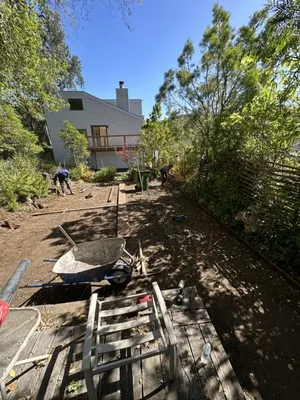
Willow Landscaping is a full-service outdoor improvement company serving Petaluma, CA. We handle everything from initial landscape design and construction to ongoing maintenance, providing a seamless ...

Symmetry Landscapes brings a wealth of experience to Sonoma's unique outdoor environments. We specialize in creating and maintaining beautiful, functional landscapes tailored to the local climate, foc...
TerraNova Landscaping is a Santa Rosa-based company specializing in comprehensive landscaping, fencing, and general contracting services. We help local homeowners address common issues like drip irrig...
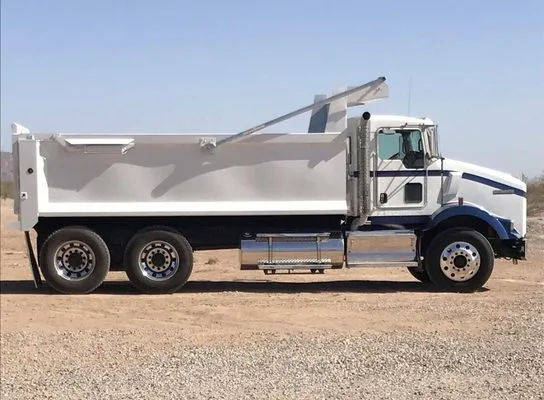
Sanchez Gardening and Landscaping is your local Ukiah expert for maintaining beautiful, resilient outdoor spaces. We specialize in practical solutions for common North Bay Area landscaping challenges,...
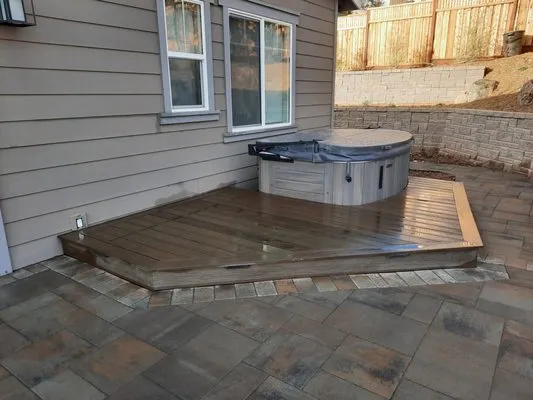
The Great Landscape is a full-service landscape design and construction firm serving Healdsburg, CA, and the surrounding Wine Country. We specialize in creating beautiful, functional, and resilient ou...
A2C Construction is a Novato-based, family-owned construction and landscaping company founded by brothers David and Francisco Melendez. With over 20 years of combined experience in landscaping and con...
Estimated Landscaping Service Costs in Petaluma, CA
Questions and Answers
I'm tired of weekly mowing and gas blower noise. What's a quieter, lower-maintenance alternative?
Transitioning to a climate-adaptive landscape with natives like Purple Needlegrass, Sticky Monkeyflower, and Western Redbud drastically reduces maintenance. This approach eliminates weekly mowing and the need for gas-powered blowers, aligning with Petaluma's weekday 8 AM-6 PM noise ordinance for such equipment. These plants establish deep roots, require minimal summer water once established, and support local biodiversity far beyond a traditional lawn.
Are permeable pavers a better choice than a wooden deck for our new patio?
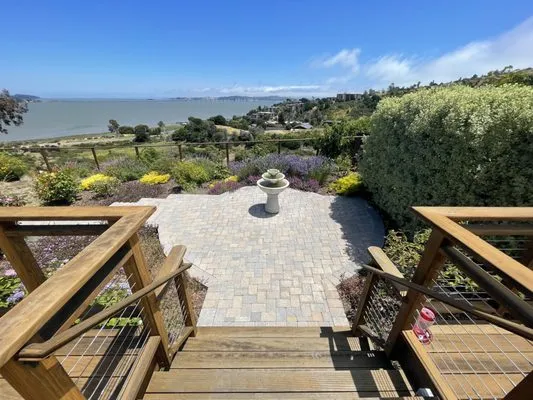
For longevity and fire resilience, permeable concrete pavers are superior. Unlike wood, they require no sealing, resist rot, and have a lifespan exceeding 25 years. Their permeability manages onsite rainwater. Critically, in Petaluma's Moderate Fire Wise rating zone due to WUI proximity, pavers provide a non-combustible defensible space immediately adjacent to the home, a key safety consideration that wood cannot fulfill.
How can I keep my Tall Fescue lawn green during summer without wasting water?
Under Petaluma's Stage 1 voluntary conservation, efficient irrigation is paramount. Smart Wi-Fi ET-based controllers are essential; they adjust watering schedules daily based on local evapotranspiration data from weather stations. For dwarf-type Tall Fescue, this typically means 2-3 deep watering sessions per week, precisely timed for early morning to minimize evaporation and fungal pressure while meeting the grass's needs.
We get seasonal ponding in our yard. What's the best long-term solution?
Seasonal ponding is a direct result of the high clay content in our native soil, which has very low percolation rates. The most effective solution integrates subsurface French drains with surface grading. Replacing impermeable surfaces with permeable concrete pavers for patios or walkways also significantly reduces runoff, often helping projects meet the Petaluma Community Development Department's updated stormwater management standards.
What invasive weeds should I watch for, and how do I control them responsibly?
High-priority invasive alerts for this area include Yellow Star-thistle, French Broom, and Harding Grass. Manual removal before seed set is most effective. For chemical interventions, use targeted, herbicide spot treatments only, strictly following the Statewide Urban Water Runoff Management ordinance to prevent nitrogen and phosphorus from entering waterways. Avoid any fertilizer or herbicide application during forecasted rain events to comply with runoff blackout periods.
What permits and contractor credentials are needed to regrade our backyard?
Regrading a 0.15-acre lot typically requires a grading permit from the Petaluma Community Development Department to ensure proper drainage and sediment control. The contractor must hold a C-27 Landscaping license or a relevant C-12 Earthwork license from the California Contractors State License Board (CSLB). This is legally required for any project that alters land contours, as improper grading can create significant drainage liabilities for neighboring properties.
A storm knocked down a large branch. How quickly can a crew respond for an emergency cleanup?
For urgent situations like storm debris, our dispatch from the Petaluma River Park area via US-101 allows for a 20-30 minute arrival to the Brewery District, even during peak traffic. This timeframe is for initial assessment and safety mitigation. Full HOA compliance cleanup, including proper chipping and hauling, is scheduled immediately following to ensure the site is secured promptly.
Our house is about 45 years old. Why does our soil feel so hard and compacted?
Soil maturity here is roughly 45 years, correlating with the 1980 build date common in the Brewery District. This age indicates the original clastic sedimentary clay loam has become heavily consolidated, losing pore space and organic matter. Core aeration is critical to address this, followed by incorporating 2-3 inches of compost to rebuild soil structure and improve permeability for plant roots and water.
