Top Landscaping Services in Penngrove, CA, 94931 | Compare & Call

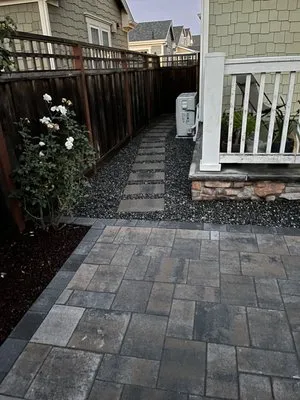
Blue Cypress Landscaping is a licensed landscape contractor proudly serving Penngrove and the surrounding communities since 2008. Founded by owner Alvaro Martinez, our work is driven by a genuine pass...
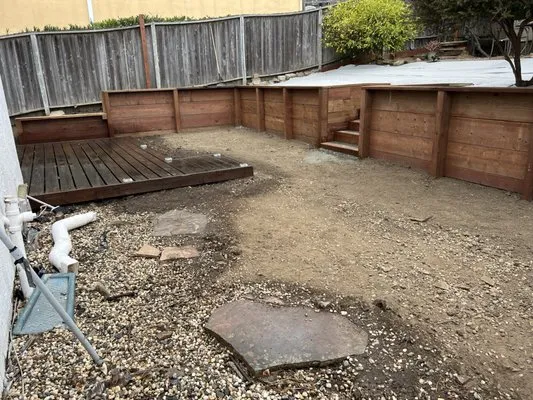
J J Landscaping has been serving Penngrove homeowners and businesses with comprehensive landscape solutions since its founding. As a full-service landscaping and general contracting company, we specia...
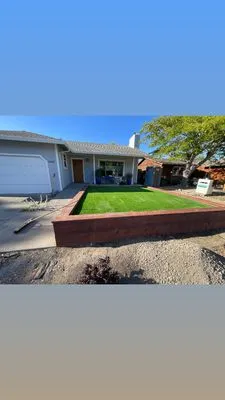
RNR Landscaping is a fully licensed, bonded, and insured Penngrove landscaping contractor serving Sonoma and Marin counties. We specialize in comprehensive landscape management, from initial design to...
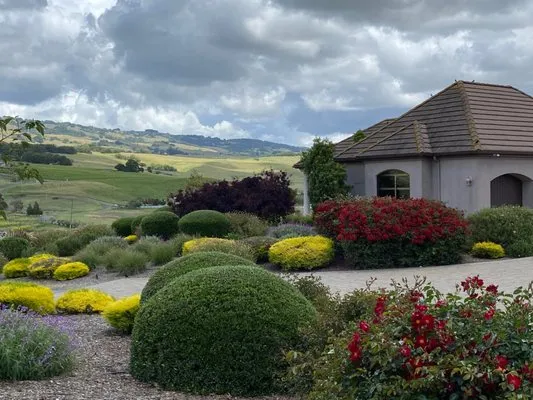
Serenity Landscaping is a full-service landscaping company proudly serving Penngrove and surrounding Sonoma County areas. We understand that local homeowners often face frustrating and wasteful issues...
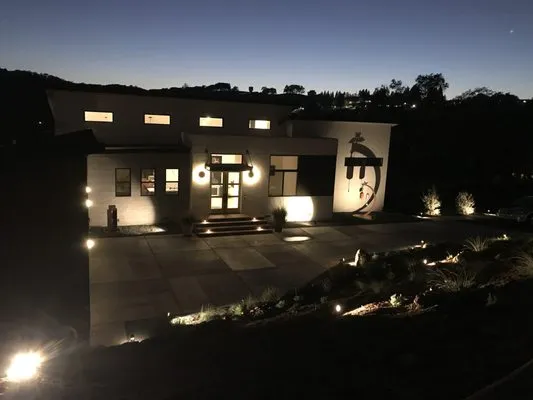
Sticks & Stones Landscaping has been serving Penngrove and surrounding Sonoma and Marin County communities since 1991. As a licensed, bonded, and insured landscaping business, we specialize in compreh...
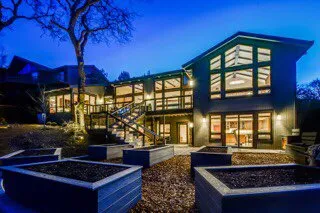
Mitchell Landscapes has been transforming outdoor spaces in Penngrove and Sonoma County since 2006 with a focus on sustainable, custom landscape construction. Founded by professionals with degrees in ...
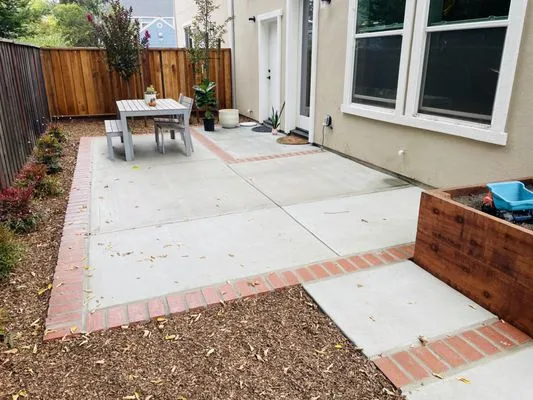
Terrascape Creations is a Penngrove-based landscaping company with over 20 years of experience serving Sonoma, Napa, and Marin Counties. We specialize in creating unique, functional outdoor spaces, fr...

McKinley Lawn and Landscape is a trusted Penngrove-based landscaping company dedicated to enhancing and maintaining outdoor spaces for local homeowners. We specialize in comprehensive lawn care that g...
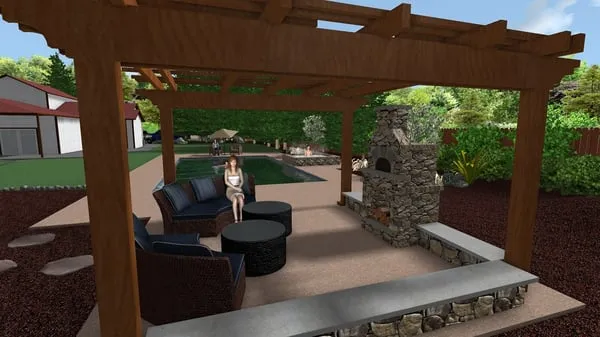
Poteracke Landscape Design & Build is a Penngrove-based landscaping company founded by Josh Poteracke, a Sonoma County native with deep roots in the community. With a background in landscape architect...

Sonoma Mountain Landscape is a trusted local landscaping company serving Penngrove, CA, and the surrounding Sonoma County area. We specialize in practical, durable solutions for common local yard prob...
Common Questions
Is decomposed granite better than wood for durable, fire-resistant landscaping?
Decomposed granite offers superior longevity and fire resistance compared to wood in Penngrove's Moderate WUI zone. Its mineral composition provides a non-combustible surface that maintains defensible space requirements, while permeable installation reduces runoff. Unlike wood, it doesn't require chemical treatments or degrade over time, with a 25+ year lifespan. This material supports both fire-wise principles and sustainable drainage management in high-risk areas.
How do I maintain Tall Fescue turf during Stage 1 water restrictions?
Wi-Fi ET-based smart controllers adjust irrigation schedules daily using real-time weather data and evapotranspiration rates, reducing water use by 20-30% compared to traditional timers. These systems apply water only when soil moisture sensors indicate need, preserving Tall Fescue health while staying within voluntary conservation limits. Programming deep, infrequent watering cycles encourages deeper root growth and drought tolerance. This technology typically keeps irrigation within municipal allowances without compromising turf quality.
What permits and licenses are needed for grading my 0.35-acre property?
Grading projects on 0.35-acre lots in Sonoma County require permits from the Permit & Resource Management Department, with erosion control plans and drainage calculations. Contractors must hold active CSLB licenses with landscaping classification for earthmoving exceeding $500 in value. Unlicensed grading risks fines up to $5,000 and voided insurance coverage. Always verify contractor credentials through CSLB's online verification system before commencing work.
What solutions exist for seasonal water pooling in heavy clay areas?
Claysilt Loam's low permeability creates temporary perched water tables during wet periods, requiring engineered drainage solutions. Installing French drains with gravel beds and perforated pipes redirects subsurface water away from structures. Using decomposed granite for pathways and patios increases surface permeability, helping meet Sonoma County runoff management standards. These approaches combine to reduce saturation duration and prevent root zone hypoxia in planted areas.
Can I reduce maintenance while preparing for stricter noise regulations?
Replacing high-maintenance turf with California Poppy, Coast Live Oak, Ceanothus, and Purple Sage creates a low-input landscape that aligns with evolving noise ordinances. These natives require minimal pruning and no leaf blowing, eliminating gas-powered equipment use during restricted hours. Their deep root systems improve soil structure and reduce irrigation needs by 60-80%. This transition positions properties ahead of regulatory changes while supporting local biodiversity standards.
How quickly can you respond to an emergency storm cleanup for HOA compliance?
Our electric fleet dispatches from Penngrove Park within 15 minutes of notification, using US-101 for efficient routing to Penngrove Village. During peak storm conditions, arrival typically occurs within 25-35 minutes, allowing rapid debris removal and drainage assessment. We prioritize electric equipment to comply with local noise ordinances during quiet hours, ensuring uninterrupted service. This response time meets most HOA requirements for post-storm property maintenance.
How should I manage invasive weeds without violating fertilizer ordinances?
Penngrove's moderate fire risk zone sees invasive species like French broom and yellow starthistle that outcompete natives. Manual removal before seed set, combined with targeted organic herbicides applied outside nitrogen-limited runoff blackout dates, provides effective control. Solarization during summer months sterilizes soil in small areas without chemicals. Always verify treatment timing against local watershed protection policies to avoid ordinance violations.
Why does my Penngrove lawn struggle with compaction and poor drainage?
Penngrove Village properties built around 1960 have 66-year-old soil profiles where decades of foot traffic and minimal organic input have degraded the native Claysilt Loam structure. This soil type naturally has low permeability, and aging exacerbates compaction, reducing pore space for root growth and water movement. Core aeration with organic amendments like composted bark or aged manure is essential to restore soil biology and improve percolation rates. Without intervention, these conditions lead to seasonal perched water tables and stressed turf.
