Top Landscaping Services in Palmdale, CA, 91390 | Compare & Call

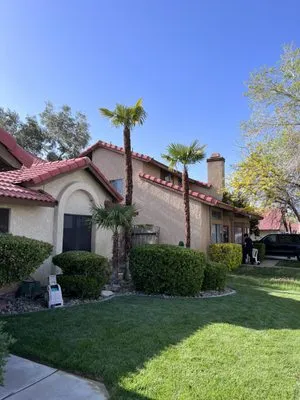
Miguel Martinez Complete Landscape Service has been serving Palmdale homeowners for over 30 years with licensed, reliable landscaping solutions. We specialize in comprehensive landscape design and mai...
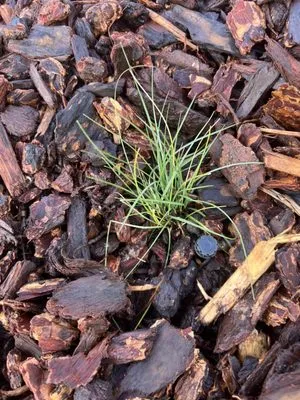
My Mulch was founded in Palmdale in 2012 by Ron, who saw a better way to help neighbors with their yards. What began with a simple trailer load of mulch for a friend has grown into a full-service land...
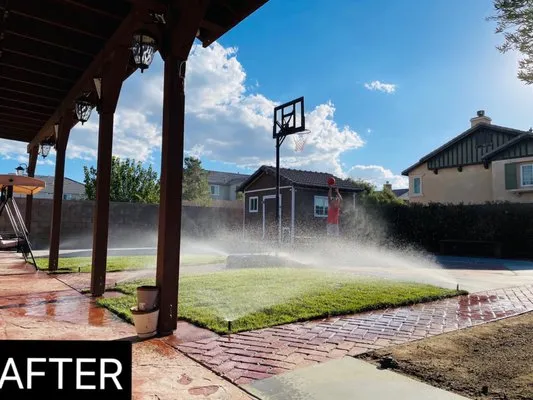
BME Landscaping is your full-service partner for enhancing outdoor spaces in Palmdale and the Antelope Valley. We specialize in comprehensive landscape solutions, from initial design to final construc...
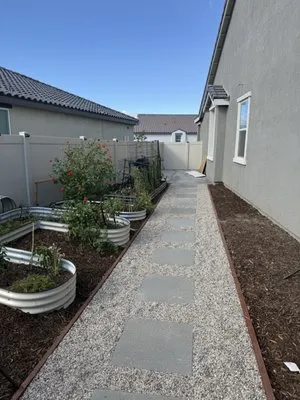
Elite Lawn Design in Palmdale, CA, is your local partner for creating and maintaining the yard you've always wanted. We believe in a collaborative approach, starting with a detailed design consultatio...

JNR Home Improvements is a locally owned and operated general contracting business founded by Jeromie, whose Palmdale roots in construction run deep. His journey began in local high school ROP classes...

Neptune Lighting & Designs brings over a decade of expertise in dynamic lighting to Palmdale, CA. We specialize in two core areas: creating memorable atmospheres for weddings, corporate events, and pr...
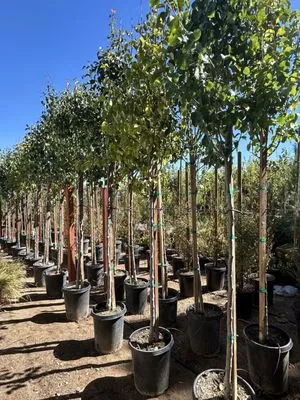
Evergreen Nursery is a Palmdale-owned nursery, founded in 2014, where a passion for plants grew into a community resource. The dream was to create a welcoming space with a great selection of trees, pa...
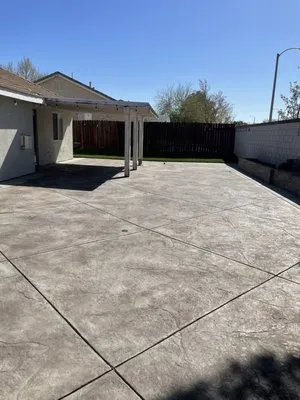
Scapezone Landscape Solutions is a licensed and insured landscape and hardscape company serving Palmdale, CA, and the greater Los Angeles area since 2019. With over 60 years of combined experience, we...

JGS Landscaping Pros is a Palmdale-based company founded by a dedicated professional with over 30 years of experience in sprinkler systems and lawn care. After decades working locally, the owner launc...
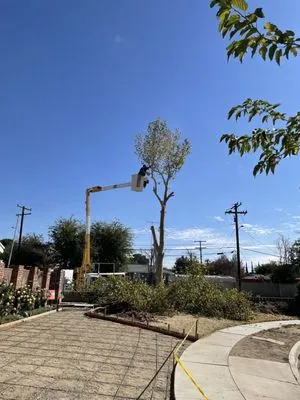
Expert Tree Service is a family-owned and operated Palmdale tree care company with deep roots in the community, tracing its legacy back to 1950. Now led by fourth-generation owner Charles, we build on...
Questions and Answers
Should I replace my high-maintenance lawn with native plants?
Transitioning to Desert Willow, Apache Plume, and California Poppy reduces water needs by 70-80% while providing habitat for local pollinators. These natives require minimal maintenance, eliminating weekly mowing and frequent fertilization. As Palmdale transitions to low-decibel electric equipment, native landscapes need only seasonal pruning with quiet tools. This approach future-proofs your property against tightening water and noise regulations.
Why does my Rancho Vista lawn struggle despite regular watering?
Palmdale's calcareous sandy loam soil, with its pH of 8.1, naturally resists water penetration and nutrient availability. In Rancho Vista, where homes average 37 years of age, this soil has compacted over decades, reducing permeability. Core aeration every 2-3 years breaks up alkaline crusting, while adding 2-3 inches of composted organic matter annually improves soil structure and microbial activity. This addresses the underlying issue rather than masking symptoms with excessive irrigation.
What permits and licenses are needed for grading my 0.22-acre lot?
The Palmdale Planning Department requires grading permits for any excavation exceeding 50 cubic yards or altering natural drainage patterns. Contractors must hold active California Contractors State License Board classification C-27 for landscaping, with additional endorsement for earthmoving equipment operation. On 0.22-acre lots, even minor regrading can trigger review if it affects stormwater management or neighboring properties, making professional assessment essential before beginning work.
How do I control invasive species without violating fertilizer regulations?
For common invaders like puncturevine or Russian thistle, manual removal before seed set is most effective. If chemical treatment is necessary, use targeted spot applications of EPA-registered herbicides during permitted windows, avoiding Regional Water Quality Control Board MS4 compliance blackout dates. Always apply during calm morning hours to prevent drift, and follow with native reseeding to outcompete future invasions through ecological succession.
How quickly can you respond to an HOA violation notice for overgrown vegetation?
Emergency cleanup crews dispatch from Marie Kerr Park, taking CA-14 to reach Rancho Vista within 25-35 minutes during peak hours. We prioritize compliance issues with same-day assessments, using electric equipment that operates within Palmdale's 7am-8pm noise ordinance. The crew will document conditions, perform necessary trimming or debris removal, and provide photographic evidence for HOA submission to avoid fines.
Can I maintain TifTuf Bermuda grass under Stage 2 water restrictions?
Wi-Fi ET-based weather sensing irrigation systems adjust watering schedules daily based on evapotranspiration rates, reducing water use by 20-30% compared to traditional timers. For TifTuf Bermuda in USDA Zone 9a, this means 0.75-1 inch per week during peak summer, applied in early morning cycles to minimize evaporation. The system automatically skips watering during rainfall events, ensuring compliance while preserving turf health through precise moisture management.
What solutions prevent runoff and alkaline crusting in my yard?
High runoff in calcareous sandy loam soils creates surface crusting that repels water. Installing permeable decomposed granite pathways allows 3-5 inches per hour infiltration, meeting Palmdale Planning Department stormwater standards. For sloped areas, create bioswales planted with Cleveland Sage or California Buckwheat to slow water flow. These native plants tolerate alkaline conditions while their root systems improve soil structure over time.
Is decomposed granite better than wood for patio surfaces?
Permeable decomposed granite outperforms wood in durability and fire safety, lasting 15-20 years with proper compaction versus wood's 5-10 year lifespan. For Palmdale's moderate fire-wise rating, DG provides non-combustible defensible space around structures while allowing rainwater infiltration. Unlike wood, it doesn't require chemical treatments that can leach into soil, and its natural appearance blends with desert landscapes without creating heat islands.
