Top Landscaping Services in Orinda, CA, 94549 | Compare & Call

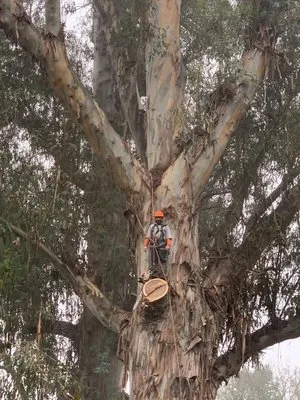
Expert Tree Service is a cornerstone of Bay Area arboriculture, with roots dating back to 1920. Originally founded by Mr. Kampp, who pioneered the use of dynamite for large-scale removals, the company...
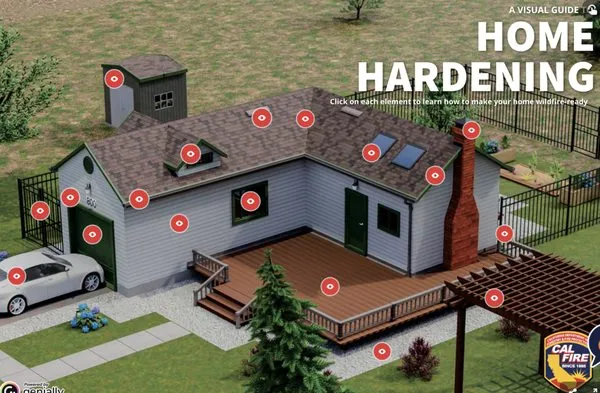
Naomi Redding founded Defensible Designs in Orinda to help East Bay homeowners navigate the increasing complexity of fire hardening and defensible space regulations. Drawing from a background in proje...

Hollis Landscaping is a trusted, locally-owned landscaping company serving Orinda, CA, and the surrounding communities. We specialize in comprehensive landscape maintenance and repair services designe...
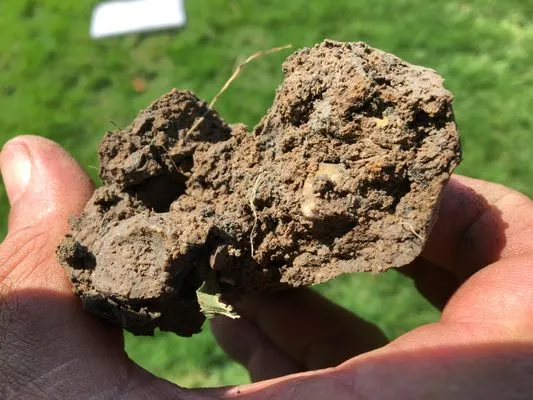
Trees, Bugs, Dirt is a landscaping consulting firm in Orinda, CA, founded by a consultant with over 45 years of experience in horticulture and pest management. With formal education from UC Berkeley a...
Enchanting Planting has been a trusted part of the Orinda community since 1989, providing comprehensive landscape solutions. We specialize in both the artistic vision and technical execution required ...
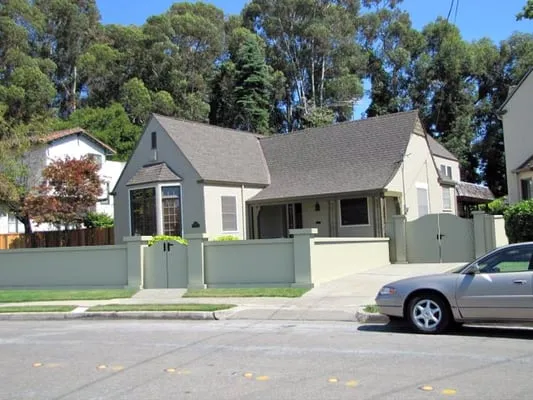
Greenewall Industries in Orinda, CA, was founded by licensed general contractor and industrial designer Robert Hodgson. The business began when Hodgson needed a durable, eco-friendly privacy fence for...
FAQs
We're considering a new patio. Is wood decking or stone a better choice for our fire-prone area?
In Orinda's Very High Fire Hazard Severity Zone, material selection directly impacts defensible space. Natural flagstone or permeable concrete pavers are non-combustible, providing a superior ember-resistant zone compared to wood decking. These materials also offer greater longevity with minimal upkeep and do not require chemical treatments that could leach into soil. For patios and pathways within 30 feet of a structure, inorganic hardscape is the recommended standard for risk mitigation.
We have a major tree down from a storm and need an emergency cleanup to meet HOA rules. How quickly can a crew arrive?
For urgent storm response in the Glorietta area, a crew can typically mobilize within 30 minutes during peak events. Our dispatch routing originates near the Orinda Community Center, utilizing CA-24 for the most direct access. This logistics pattern ensures a reliable 20-30 minute arrival window, allowing for immediate assessment and deployment of electric-only equipment compliant with Orinda's noise ordinance for emergency work.
We're tired of the weekly mowing and loud gas blowers. What's a quieter, lower-maintenance alternative to our lawn?
Transitioning high-maintenance turf to a climate-adapted landscape featuring natives like Ceanothus, Toyon, and Purple Sage eliminates weekly mowing and aligns with forward-looking municipal codes. This xeriscape approach drastically reduces water use and creates habitat. Furthermore, it future-proofs your property against expanding noise ordinances that mandate electric-only maintenance equipment, as the need for leaf blowing diminishes significantly.
With Stage 2 water restrictions, how can we keep our Tall Fescue lawn alive without wasting water?
Maintaining Dwarf Tall Fescue under a voluntary 10% reduction mandate requires precise irrigation management. Modern Wi-Fi smart controllers, programmed with local evapotranspiration (ET) data, automatically adjust runtime based on real-time weather, eliminating overwatering. This technology, when paired with quarterly system audits for leaks and head alignment, allows turf preservation within municipal limits while supporting deep root development crucial for drought resilience.
Our house was built in the 1960s, and the soil feels hard as a rock. Why is that, and what can we do about it?
Soil compaction is a predictable outcome for Glorietta properties built around 1959. After 67 years of foot traffic and standard maintenance, the Millsholm-Los Osos clay-loam complex loses pore space, severely limiting water percolation and root growth. Core aeration paired with a top-dressing of composted organic matter is the standard remediation. This process reintroduces oxygen and rebuilds soil structure, directly addressing the compaction legacy common in neighborhoods of this era.
We've spotted what looks like invasive Vinca major taking over a garden bed. How do we remove it safely?
Vinca major is a pervasive alert in the East Bay, capable of outcompeting natives. Safe removal requires manual extraction of all root fragments, followed by solarization of the soil with clear plastic to eliminate residual propagules. All treatments must avoid synthetic herbicide runoff to comply with the Regional Water Quality Control Board's MS4 permit, which prohibits pollutants from entering the municipal storm sewer. This manual and thermal method is both effective and compliant.
We want to regrade a section of our .35-acre lot for better drainage. What permits and contractor credentials are required?
Grading work on a .35-acre parcel in Orinda typically requires an engineered grading permit from the Orinda Planning Department, as slope alterations impact watersheds and stability. The contractor must hold a California CSLB 'A' (General Engineering) or 'C-27' (Landscaping) license, as this work exceeds minor landscaping. This licensing ensures the firm carries the necessary bonding and insurance, and possesses the technical expertise to execute plans that comply with all erosion control and stormwater regulations.
Our sloped yard is eroding and channeling water toward the house. What's a long-term solution that will also pass city inspection?
Slope instability in Orinda's clay-based soils requires a multi-faceted approach to manage high erosion risk. Integrating subsurface French drains with a surface layer of permeable concrete pavers or natural flagstone creates a managed flow path. This system increases ground permeability and disperses runoff, meeting the Orinda Planning Department's strict stormwater standards. The key is redirecting water volume while stabilizing the soil matrix to prevent further loss.
