Top Landscaping Services in Oak Park, CA, 91377 | Compare & Call

Bragar Landscaping
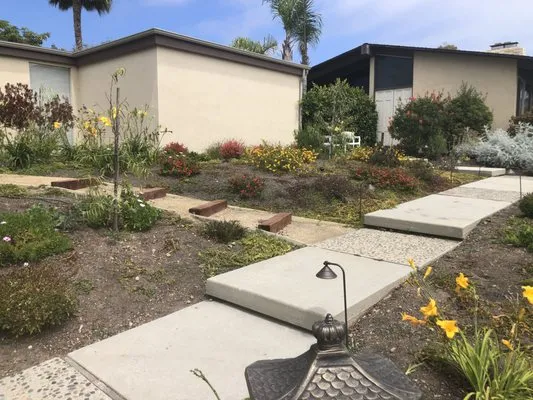
Bragar Landscaping has been transforming outdoor spaces in Oak Park and surrounding areas since 1980, originally starting in Chatsworth before establishing roots in our community. As a licensed masonr...
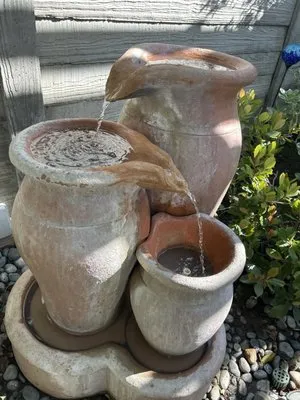
Fairytale Gardens is a trusted Oak Park, CA, landscaping partner specializing in custom landscape design and irrigation solutions. We understand the local challenges homeowners face, such as faulty ir...
Questions and Answers
How do I control invasive weeds without violating fertilizer regulations?
Invasive species like yellow starthistle and fountain grass require targeted treatment during active growth phases. Mechanical removal precedes selective herbicide applications timed outside Statewide Urban Fertilizer Management blackout periods. Soil testing identifies nutrient deficiencies before amending with slow-release organic fertilizers. Integrated pest management combines cultural practices with biological controls to maintain landscape health while preventing runoff contamination.
Why does my Oak Park Estates lawn have drainage issues and compacted soil?
Oak Park Estates properties average 40 years of soil development since 1986 construction. This alkaline clay loam (pH 7.5-8.2) has undergone repeated wet-dry cycles, increasing compaction and reducing permeability. Core aeration with organic amendments like composted bark improves soil structure by increasing pore space for water movement and root penetration. The neighborhood's clay-heavy composition requires annual aeration to maintain adequate oxygen levels for turfgrass and ornamental plant health.
How do I keep my tall fescue healthy with only two watering days per week?
Stage 2 water restrictions permit irrigation two days weekly, which aligns with Wi-Fi ET-based weather sensing technology. These systems calculate evapotranspiration rates to deliver precise water volumes through drip irrigation zones. Dwarf tall fescue varieties require 0.75-1.0 inches weekly during peak season, achievable through deep, infrequent watering cycles. Proper scheduling prevents runoff while maintaining turf health through California's dry months.
What permits and licenses are needed for grading my 0.25-acre property?
Grading projects exceeding 50 cubic yards require Ventura County Planning Division permits with engineered drainage plans. California Contractors State License Board certification (C-27 Landscaping or C-12 Earthwork) is mandatory for excavation work affecting soil stability. Property size determines erosion control measures, with 0.25-acre lots needing silt fencing and stabilized construction exits. Licensed professionals carry required insurance for potential expansive clay-related foundation impacts.
Should I replace my high-maintenance lawn with native plants?
Transitioning to California poppy, coast live oak, white sage, toyon, and deer grass reduces water consumption by 70-80% compared to traditional turf. These natives require minimal maintenance, eliminating gas-powered equipment use ahead of electric-only blower mandates. Established native landscapes support local pollinators while providing year-round visual interest through seasonal cycles. Soil amendments during installation ensure proper establishment in alkaline clay conditions.
How quickly can you respond to an emergency tree cleanup after a storm?
Emergency storm response from the Oak Park Community Center via CA-23 typically requires 25-35 minutes during peak conditions. Our electric-only fleet complies with residential noise ordinances while maintaining rapid deployment capability. For HOA compliance issues requiring immediate attention, we prioritize same-day assessment with documentation of necessary corrections. Route optimization software accounts for real-time traffic patterns along the Ventura County corridor.
What solutions exist for expansive clay soil causing foundation runoff problems?
Expansive shrink-swell clay in Oak Park creates high runoff hazards during seasonal transitions. Permeable concrete pavers installed with proper base materials achieve 5-10 inches per hour infiltration rates, exceeding Ventura County Planning Division standards. French drains connected to dry wells manage subsurface water movement away from structures. Grading corrections of 2% slope direct surface flow to designated infiltration areas, preventing soil saturation near foundations.
Are permeable pavers better than wood decking for fire safety?
Permeable concrete pavers provide superior fire resistance compared to combustible wood materials, crucial in WUI Zone 3 extreme fire risk areas. These pavers maintain defensible space requirements while allowing proper water infiltration. Their non-combustible nature reduces ember ignition potential during wildfire events. Installation with proper spacing and joint materials creates firebreaks without compromising drainage function or aesthetic value.
