Top Landscaping Services in North Tustin, CA, 92705 | Compare & Call

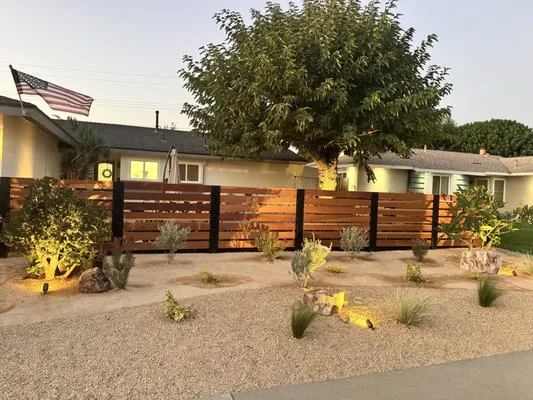
Franco Landscape Inc. is a family-owned outdoor construction firm based in North Tustin, CA. What started as a tree-trimming service has evolved into a comprehensive, licensed contractor specializing ...
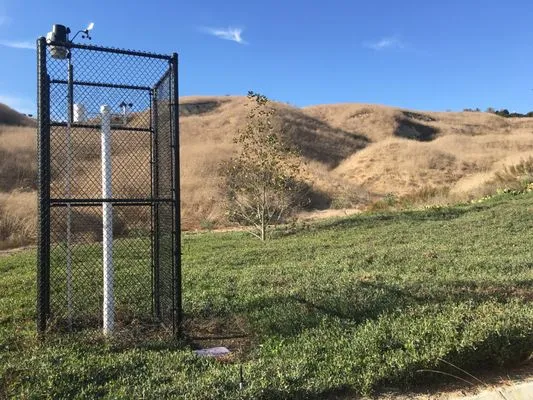
Arroyo Irrigation, led by Garry Collins, is a professional irrigation firm based in North Tustin. With a Bachelor of Science in Landscape Irrigation Science from Cal Poly Pomona, Garry is both an awar...
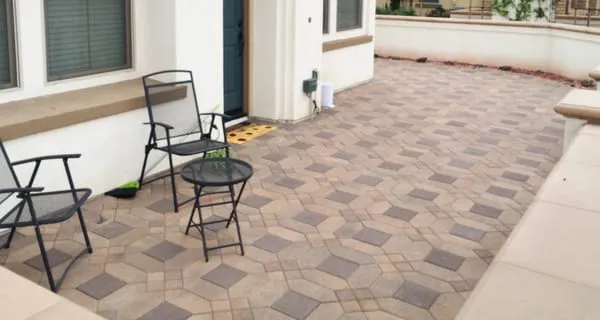
Haven Design & Build is a North Tustin-based landscaping and hardscaping company founded in 2000 by Dave and Khristine Valdez. With over 20 years of construction and management experience, Dave combin...
Questions and Answers
My garden soil seems dense and nothing grows well. Does the age of my North Tustin home have anything to do with it?
Yes, it's a direct legacy of the original construction. Homes built here in the 1960s, like many in Lemon Heights, are on 60-year-old soil. Decades of foot traffic, construction compaction, and basic irrigation have degraded the native structure of our alkaline clay loam. This soil now lacks pore space for roots and water, leading to poor percolation and hydrophobic conditions. Core aeration and incorporating 3-4 inches of composted organic matter are critical first steps to rebuild soil biology and structure.
We need significant grading and retaining walls for our .35-acre lot. What permits and contractor qualifications are required?
Any grading that alters drainage patterns or involves retaining walls over 4 feet requires a permit from Orange County Planning & Development Services. For a lot of this size in Lemon Heights's hilly terrain, improper work can cause off-site erosion. The contractor must hold a valid California C-27 Landscaping Contractor license or a more specific C-61/D-12 Excavation license from the Contractors State License Board. Never hire an unlicensed individual; this work carries significant liability and requires engineered plans for review to ensure slope stability and compliance with county codes.
Water pools on my hillside lot after rain, and I'm worried about erosion. What's the best long-term solution?
Erosion risk on North Tustin's clay slopes is often due to surface runoff on hydrophobic soil. The solution is to slow, spread, and sink water. Regrading to create gentle swales and installing French drains can intercept subsurface flow. For any new patios or paths, use permeable materials like decomposed granite or permeable pavers. These surfaces allow water to infiltrate locally, meeting Orange County runoff standards and recharging soil moisture rather than creating erosive sheets of water downhill.
We want a new patio but are concerned about fire safety. Are permeable pavers a good option compared to wood?
In a WUI Very High Fire Hazard Severity Zone, non-combustible materials are a primary component of defensible space. Permeable concrete pavers or decomposed granite are superior to wood for longevity and fire resistance. They create a stable, ignition-resistant zone near the home. Their permeability also manages stormwater on-site, a key consideration for hillside lots. While initial cost is higher, their durability and compliance with fire-wise landscaping principles make them a prudent, long-term investment for risk reduction.
I'm tired of the constant mowing and blowing. Is there a lower-maintenance, quieter alternative to my lawn?
Absolutely. Transitioning to a climate-adapted landscape with native plants like White Sage, California Lilac, and Deergrass drastically reduces maintenance. These plants require no weekly mowing, minimal water once established, and thrive in our alkaline clay. This shift aligns with evolving noise ordinances that restrict gas-powered blowers and mowers. An electric maintenance fleet for occasional pruning is far quieter and eliminates emissions, creating a resilient, biodiverse habitat that supports local pollinators.
My neighbor's yard has invasive weeds. What should I watch for, and how do I treat them without harming the environment?
Key invasive alerts in North Tustin include German Ivy, Yellow Starthistle, and Tree of Heaven. Manual removal is most effective for small infestations. For targeted herbicide use, strict adherence to the state's fertilizer and pesticide ordinance is mandatory: no application is permitted before forecasted rain to prevent nitrogen runoff into watersheds. Always identify the species first, as treatment timing and method are critical for efficacy and environmental safety within this Very High Fire Hazard Severity Zone.
A major windstorm caused tree damage, and my HOA has issued a compliance notice. How quickly can a crew respond?
For emergency storm cleanup, we prioritize routes from our central dispatch near Peters Canyon Regional Park. Using SR-261 provides direct access to Lemon Heights, allowing a crew to typically arrive within the 25-35 minute window during peak response periods. Our electric-powered chippers and loaders comply with local noise ordinances, enabling work to start immediately upon arrival to secure the property and begin debris processing for HOA compliance.
With Stage 2 water restrictions, how can I possibly keep my lawn alive through the summer?
Effective irrigation under restrictions requires precision, not simply less water. For Tall Fescue or TifTuf Bermuda, an ET-based Wi-Fi controller is essential. It automatically adjusts runtime daily based on local evapotranspiration data, weather, and soil moisture. Pairing this with subsurface drip irrigation for planting beds targets water directly to the root zone, minimizing evaporation and runoff. This system can maintain turf health while staying within municipal allotments, often using less water than a poorly managed traditional system.
