Top Landscaping Services in Newark, CA, 94560 | Compare & Call

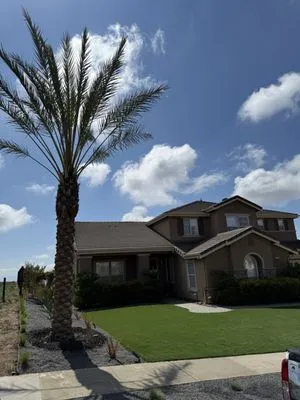
For nearly two decades, Rios Landscaping Gardening Service has been a trusted partner for Newark residents and businesses, transforming and maintaining outdoor spaces. Our comprehensive approach cover...
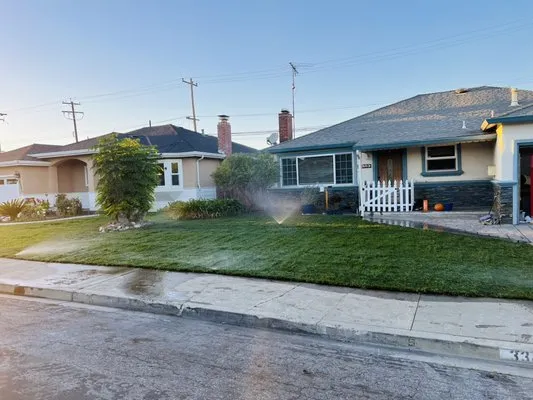
Ayon Landscaping is a full-service provider for Newark, CA homeowners, specializing in landscaping, fencing, and property cleanouts. We understand the local challenges of lawn drought stress and poor ...
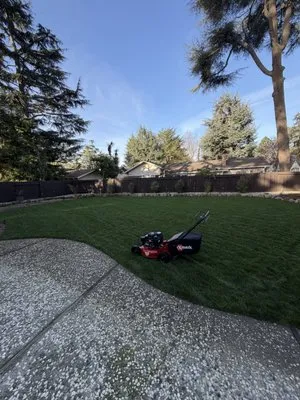
AMS Landscaping is a family-owned business serving Newark, CA, with a passion for transforming outdoor spaces. We specialize in comprehensive landscaping, junk removal, and pressure washing services, ...
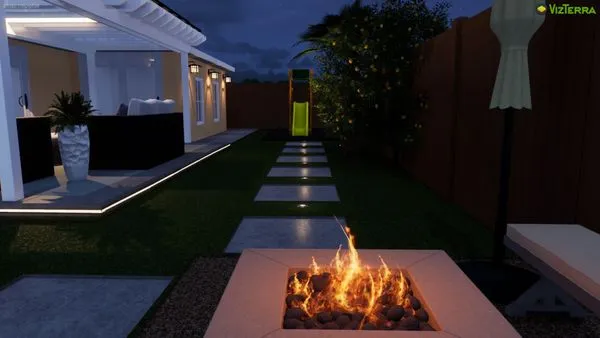
Malagon Legacy Landscaping
Malagon Legacy Landscaping brings over 30 years of expertise to Newark, CA, combining deep local knowledge with comprehensive landscaping services. Founded by Jesus Malagon, whose decades of experienc...
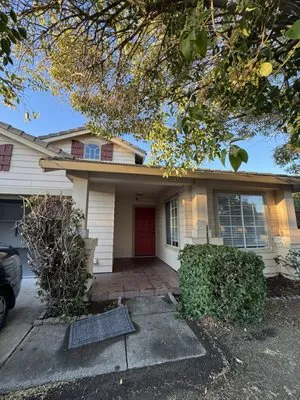
JRA Gardening & Landscaping is a Newark-based company specializing in comprehensive outdoor solutions for local homeowners. With expertise in gardening, landscaping, and masonry/concrete work, we help...
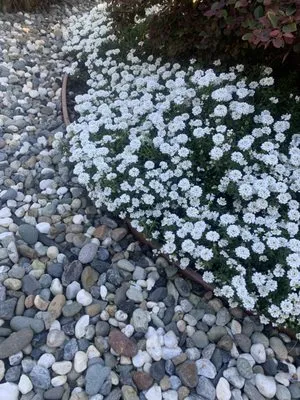
My Lovely Garden is a Newark-based gardening and tree care business built on a foundation of over a decade of hands-on experience. After years working for a private company, I decided to channel my ex...
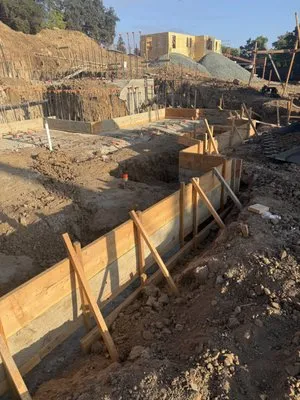
JES Concrete & Fence is a Newark-based contractor dedicated to reliable craftsmanship in concrete, fencing, and landscaping. We operate on a simple principle: treat every project as if it were our own...
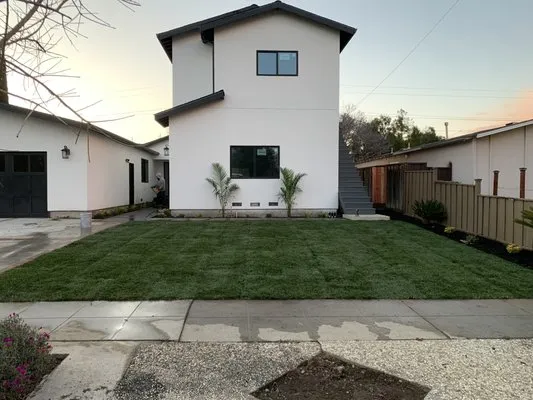
Valde's Gardening & Landscaping is a Newark-based company specializing in comprehensive landscaping and tree services for residential and commercial properties throughout the area. With expertise rang...
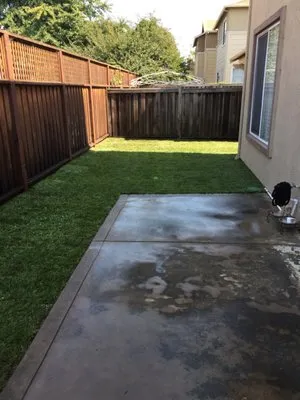
Ramirez Corporation Gardening Service provides comprehensive landscaping, tree care, and hardscaping solutions for Newark, CA, homeowners and businesses. With expertise ranging from landscape design a...
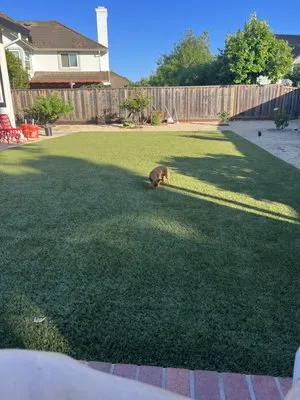
Founded on over three decades of hands-on experience, HNP Landscaping serves Newark, CA, as a dedicated, locally-owned provider of comprehensive outdoor solutions. Owner-operated since 1989, I bring a...
FAQs
Why does my Newark Gardens soil feel so dense and unproductive?
Newark's saline-sodic clay soil with pH 8.1 results from decades of mineral accumulation and compaction. With homes averaging 1974 construction, your 52-year-old landscape has mature soil profiles where clay particles dominate pore space, reducing oxygen and water movement. Core aeration combined with organic amendments like composted bark or gypsum addresses both compaction and pH imbalance, creating conditions where roots can access nutrients effectively.
What permits and licenses are needed for grading my 0.15-acre lot?
Grading work exceeding 50 cubic yards on Newark's 0.15-acre parcels requires Newark Community Development Department approval for erosion control and drainage plans. California Contractors State License Board C-27 landscaping classification is mandatory for any excavation altering existing grade by more than 12 inches. Unlicensed grading risks fines up to $5,000 per violation and may void property insurance coverage if improper drainage causes structural damage to neighboring properties.
What's the best solution for ponding water in my clay soil yard?
High clay content in Newark's soil creates permeability challenges where water infiltrates at just 0.06 inches per hour. Installing permeable concrete pavers with aggregate bases provides 30-40% void space for water storage and gradual percolation. This approach meets Newark Community Development Department runoff standards by managing stormwater onsite while preventing surface ponding that damages turfgrass roots and creates mosquito breeding habitats.
How do I control invasive weeds without harming my landscape?
Newark's moderate fire risk urban interface requires careful management of flammable invasive species like French broom and yellow starthistle. Spot treatment with EPA-registered herbicides during approved application windows avoids Regional Water Quality Control Board stormwater permit violations. Mechanical removal before seed set combined with pre-emergent organic corn gluten meal creates effective control without disrupting soil microbiology or violating fertilizer blackout dates.
Are permeable pavers better than wood decking for my patio?
Permeable concrete pavers offer 50+ year durability compared to wood's 15-25 year lifespan with regular maintenance. In Newark's moderate fire-wise rating zones, non-combustible hardscape materials create defensible space by eliminating flammable surfaces near structures. Pavers also manage thermal expansion better than wood in California's temperature extremes while providing stable, ADA-compliant surfaces that don't require chemical treatments or seasonal sealing.
How quickly can you respond to an emergency cleanup after a storm?
Our electric maintenance fleet dispatches from the Newark Civic Center area, taking I-880 to reach Newark Gardens neighborhoods within 20-30 minutes during peak conditions. This rapid response meets HOA compliance deadlines for debris removal while adhering to Newark's electric-only commercial leaf blower mandate. We prioritize safety protocols for downed branches and standing water situations common after heavy rainfall events.
How do I maintain my tall fescue lawn during Stage 1 water restrictions?
Wi-Fi ET-based weather sensing irrigation systems calculate evapotranspiration rates specific to Newark's microclimate, applying water only when turfgrass needs it. This technology preserves dwarf cultivar tall fescue health while reducing consumption 20-30% below conventional timer systems. Programming follows municipal water limits by adjusting runtime based on real-time weather data, soil moisture sensors, and seasonal dormancy periods for optimal conservation.
Should I replace part of my lawn with native plants?
Transitioning high-maintenance turf areas to California poppy, coast live oak, western redbud, and hummingbird sage reduces water demand by 70-80% while providing year-round habitat value. This xeriscaping approach stays ahead of evolving noise ordinances by eliminating gas-powered maintenance equipment needs. Native plant communities establish deeper root systems that improve soil structure and require only seasonal pruning rather than weekly mowing schedules.
