Top Landscaping Services in Myrtletown, CA, 95501 | Compare & Call

There are 56 landscaping companies server in Myrtletown CA
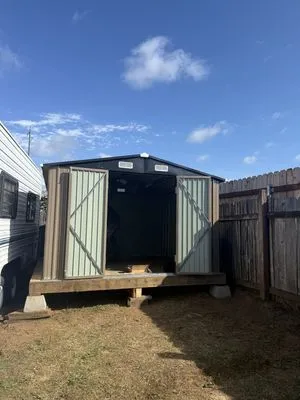
Blossom Landscaping & Handyman Service is a locally owned, licensed, and insured contractor serving residential and commercial clients throughout Humboldt County, CA. Based in Eureka, we provide a com...
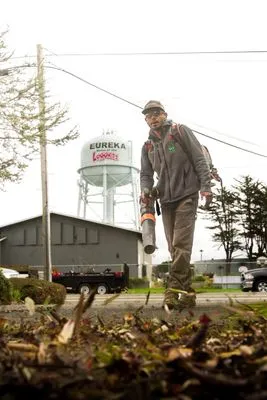
Luis Lawn Care is a locally owned and operated landscaping company based in Eureka, CA, founded in 2018. With an Associate's degree from College of the Redwoods and a deep family history in gardening,...

JPM Landscape in Eureka, CA, provides comprehensive outdoor solutions to enhance and protect the natural beauty of local homes. Specializing in both design and maintenance, we address common North Coa...
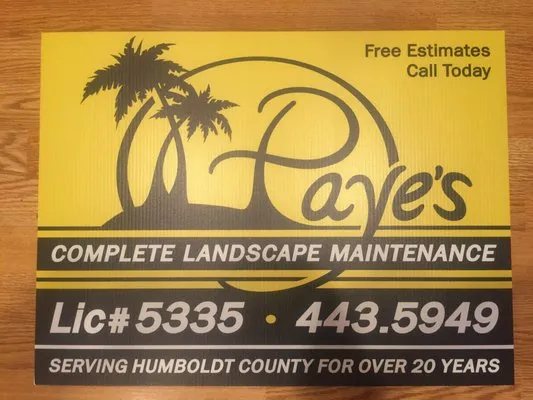
Paye's Gardening has been a trusted name in Humboldt County since 1995, providing complete gardening and landscape maintenance services to both residential and commercial clients. With over 20 years o...
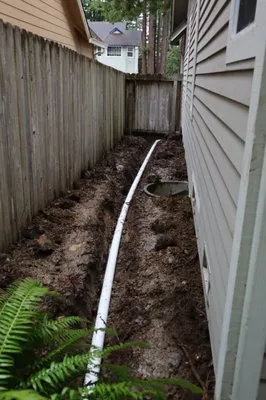
I'm Geronimo, and yes, just like the song! A true local, I grew up right here in Humboldt County, spending my youth on baseball fields and playing three sports at Arcata High. While I found early succ...
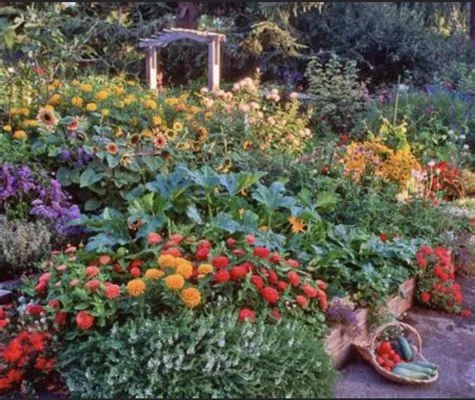
Full Circle Garden Solutions is a licensed landscaping business founded in 2013 by a professional with over 15 years of experience in Permaculture, organic gardening, and wildlife ecology. Based in Ar...
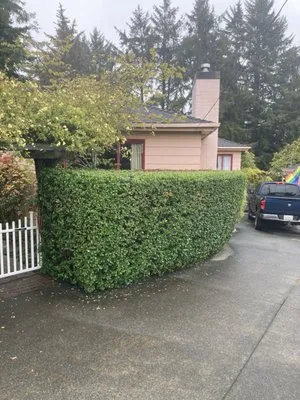
Lawn Care Plus has been a trusted part of the Eureka and greater Humboldt County community since 2000, building on a family legacy of local landscaping that dates back to 1979. We specialize in compre...
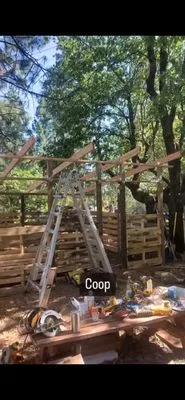
Rawsuns' Landscaping is a full-service landscaping and tree care company serving Arcata, CA. We specialize in transforming outdoor spaces with comprehensive solutions including landscape design, const...
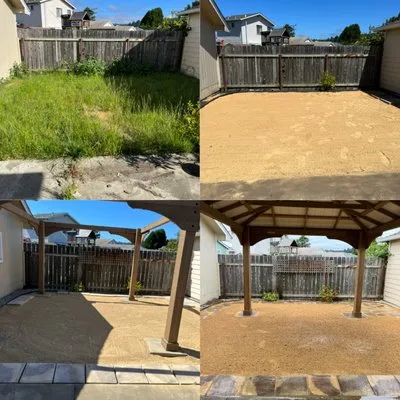
Sempervirens Gardening provides reliable gardening and tree care services to the Arcata community. We specialize in garden installations, refurbishments, and ongoing maintenance, from weeding and hedg...
Luscious Landscaping in Eureka, CA, is a trusted local landscaping company with deep roots in Humboldt County. Founded by Jay, who began his career over 40 years ago at his family's Greenlot Nursery, ...
Estimated Landscaping Service Costs in Myrtletown, CA
Common Questions
Why does my Myrtle Heights yard have drainage issues despite regular watering?
Myrtle Heights homes built around 1975 have soil that has matured for approximately 51 years, developing seasonal saturated clay layers within the slightly acidic loam. This aging soil profile reduces percolation rates, causing water to pool rather than infiltrate. Core aeration every 2-3 years introduces oxygen channels, while adding 2-3 inches of composted organic matter annually improves soil structure. These amendments address the pH 6.4 soil's tendency to compact, restoring permeability without altering the natural acidity that supports local ecosystems.
What solutions prevent yard flooding from seasonal clay saturation in Myrtletown?
Seasonal saturated clay layers in slightly acidic loam require graded swales directing water toward permeable concrete paver installations. These pavers achieve 40-50% permeability rates, meeting Myrtletown Planning & Building Department runoff standards by allowing 8-10 inches per hour infiltration. Subsurface French drains with washed gravel bedding provide additional capacity during peak saturation periods. The system works synergistically with soil amendments to manage the 0.22-acre lot's watershed without creating downstream erosion hazards.
What permits and licenses are needed for grading work on my 0.22-acre Myrtletown property?
Grading projects exceeding 50 cubic yards require Myrtletown Planning & Building Department permits with engineered drainage plans. Contractors must hold CSLB C-27 Landscaping licenses with grading endorsements, as 0.22-acre lots often involve cut-and-fill operations affecting watershed boundaries. The permit process verifies compliance with slope stability standards and stormwater management requirements for the slightly acidic loam soil type. Unlicensed grading risks fines up to $5,000 plus restoration costs, as the CSLB enforces strict liability for improper earth movement affecting neighboring properties.
How quickly can you respond to an emergency tree cleanup after a storm in Myrtletown?
Emergency cleanup crews dispatch from the Myrtletown Civic Center, taking State Route 101 to reach Myrtle Heights within 25-35 minutes during peak conditions. This response window accounts for debris clearance on major arteries while maintaining compliance with residential zone noise ordinances through electric-only equipment. The protocol prioritizes HOA compliance issues like fallen branches obstructing driveways, with real-time routing adjustments based on storm severity. All crews carry CSLB-licensed arborist certifications for immediate hazard mitigation.
How do I treat invasive species without violating Myrtletown's fertilizer ordinances?
Invasive species like yellow starthistle or French broom require targeted mechanical removal before seed set, followed by solarization of affected areas. Myrtletown's phosphorus prohibition near storm drains necessitates organic herbicides with mycorrhizae inoculants to restore soil biology. Treatment timing avoids blackout dates by scheduling applications during dry periods when runoff risk is minimal. Replanting with native purple sage creates competitive exclusion against reinfestation while providing pollinator habitat that supports 2026 biodiversity standards.
Can I maintain healthy tall fescue turf with Myrtletown's Stage 2 water restrictions?
Wi-Fi ET-based weather sensing irrigation systems preserve dwarf-type tall fescue while operating within the 2-day-per-week municipal limits. These controllers calculate evapotranspiration rates daily, adjusting runtime to deliver 0.75-1 inch weekly during March-November growth periods. The technology prevents overwatering by integrating real-time precipitation data, reducing consumption 30-40% compared to traditional timers. Deep, infrequent watering cycles encourage deeper root systems that better withstand drought stress between permitted watering days.
Are permeable concrete pavers better than wood decking for Myrtletown's climate?
Permeable concrete pavers outperform wood in longevity, requiring no chemical treatments and maintaining integrity for 25+ years in USDA Zone 9b. Their non-combustible nature supports Moderate Fire Wise ratings by creating defensible space without combustible materials within 30 feet of structures. The thermal mass moderates microclimate extremes, reducing heat island effect compared to wood's radiative heating. Installation over gravel beds maintains drainage capacity while providing stable surfaces that resist shifting from seasonal clay saturation cycles.
Should I replace high-maintenance turf with native plants to reduce landscaping costs?
Transitioning to California poppy, coast live oak, ceanothus, and purple sage communities reduces maintenance frequency while staying ahead of evolving regulations. These natives require no gas-powered blowers, aligning with electric-only residential zone ordinances, and survive on 20-30% of tall fescue's water needs. The deep root systems of coast live oak improve soil stability, while ceanothus fixes atmospheric nitrogen, reducing fertilizer requirements. This approach creates WUI Zone 2-compliant defensible space with higher biodiversity value than monoculture turf.
