Top Landscaping Services in Mount Shasta, CA, 96067 | Compare & Call

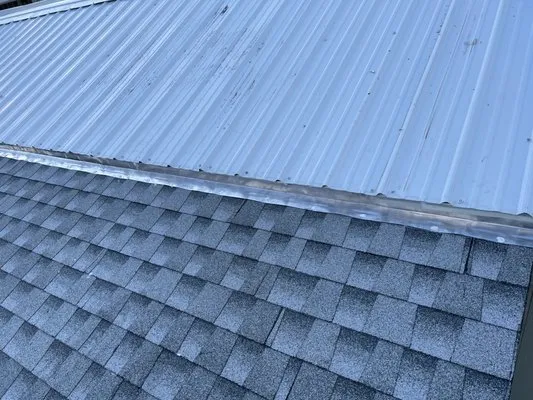
Better Call Wall Handyman Service
Better Call Wall Handyman Service is a family-run business serving Mount Shasta, CA, with over seven years of handyman experience. Founded by a father and son team, the business draws from deep roots ...
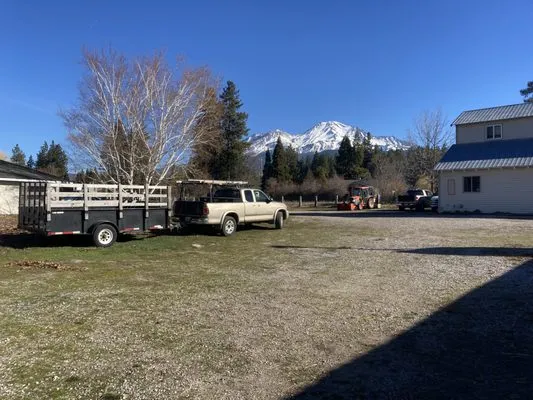
Jon's Lawns is a trusted lawn care provider serving Mount Shasta, CA, specializing in professional lawn maintenance tailored to the unique climate and soil conditions of the area. Many local homes fac...
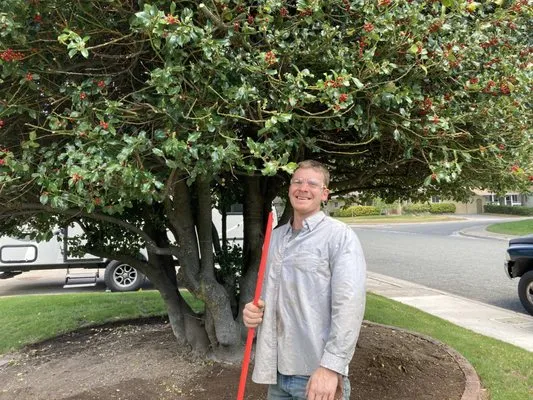
Dodge Maintenance is a trusted local business in Mount Shasta, CA, specializing in landscaping and general contracting services. We understand the unique challenges homeowners face in our area, such a...
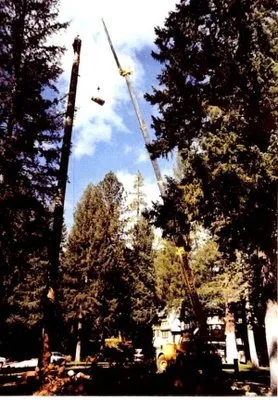
Able Tree Services has been a trusted name in Mount Shasta's outdoor care since 1979, originally founded as 'Mt. Shasta Tree Service'. With four generations of experience serving Siskiyou, Shasta, and...

MJ Maintenance is a trusted local service provider in Mount Shasta, CA, specializing in comprehensive lawn care and efficient junk removal. We understand the unique challenges Mount Shasta homeowners ...
Frequently Asked Questions
Our Downtown Mount Shasta home was built in the 1970s. Why does the soil feel compacted and what should we do about it?
With 54 years of soil maturity since the average 1972 construction date, volcanic loam in this neighborhood has likely experienced significant compaction from foot traffic and equipment. This soil type naturally has good structure but loses permeability over decades. Core aeration in early spring followed by organic amendments like composted bark will restore pore space and microbial activity. The pH range of 6.2-6.8 is ideal for most plants but requires regular testing to maintain nutrient availability.
We've spotted yellow starthistle spreading from adjacent properties. How do we treat it safely?
Yellow starthistle requires immediate management before seed set in late summer. Manual removal with root extraction is most effective for small infestations, taking care to bag all plant material. For larger areas, targeted spot treatments using EPA-approved herbicides should be applied during dry periods to prevent runoff violations. Treatment timing must avoid State Water Quality Control Board blackout dates and consider proximity to seasonal water tables. Regular monitoring prevents reestablishment from the seed bank.
Should we use local basalt or wood for our new patio in this high fire risk area?
Local basalt and permeable river rock provide superior fire resistance and longevity compared to wood in Extreme WUI Zone 3 areas. These materials maintain structural integrity under high heat and require no flammable sealants. Proper installation creates defensible space by eliminating combustible materials within 30 feet of structures. Basalt's thermal mass also moderates temperature extremes, while permeable options reduce runoff. Maintenance involves occasional cleaning rather than replacement or treatment.
We need emergency storm cleanup to meet HOA compliance deadlines. How quickly can a crew arrive?
Emergency response crews can reach Downtown Mount Shasta properties within 15-20 minutes during peak conditions. The dispatch route from Mount Shasta City Park via I-5 allows efficient access despite weather events. Crews carry electric equipment that operates within decibel limits for immediate deployment. Documentation of storm damage should be collected for insurance and HOA compliance verification upon arrival.
Our property experiences significant snowmelt runoff each spring. What drainage solutions work with volcanic loam soil?
High snowmelt runoff and seasonal high water tables require permeable solutions that work with volcanic loam's natural drainage characteristics. Installing French drains with local basalt or permeable river rock creates subsurface channels that redirect water away from foundations. Dry creek beds using these materials meet City of Mount Shasta Planning Department runoff standards while blending with the natural landscape. Grade adjustments of 2% slope direct surface flow toward designated drainage points.
How can we maintain our Kentucky Bluegrass and Fine Fescue mix during Stage 1 water restrictions?
Wi-Fi ET-based weather sensing irrigation systems automatically adjust watering schedules using real-time evapotranspiration data from local weather stations. This technology reduces water use by 20-30% compared to traditional timers while preserving turf health. Programming deep, infrequent watering cycles during early morning hours maximizes absorption and minimizes evaporation. Municipal water limits are respected through smart zone programming that prioritizes high-traffic areas.
What permits and licensing are required for regrading our 0.25-acre lot?
Grading work on 0.25-acre lots requires a permit from the City of Mount Shasta Planning Department, with engineered plans showing cut/fill calculations and drainage patterns. The contractor must hold a C-27 Landscaping license from the California Contractors State License Board, and may need additional classification for earthmoving exceeding 50 cubic yards. Erosion control measures must comply with the State Water Quality Control Board General Permit to prevent runoff. Proper licensing ensures work meets building codes and protects against liability issues.
What native plants could replace high-maintenance turf to reduce noise and maintenance?
Transitioning to Western Serviceberry, Mountain Alder, Common Camas, California Fescue, and Mountain Spirea creates a fire-resistant, low-water landscape that requires minimal maintenance. These natives establish deep root systems that stabilize soil and require no gas-powered equipment for upkeep. The planting scheme supports local pollinators while providing year-round visual interest. This approach stays ahead of noise ordinance restrictions on gas-powered blowers and reduces weekly maintenance demands.
