Top Landscaping Services in Modesto, CA, 95313 | Compare & Call

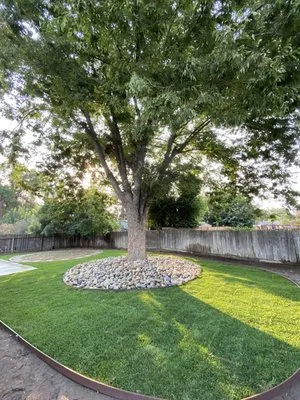
C Scott Construction & Landscaping is a family-operated business deeply rooted in the Merced and Stanislaus Counties, with a legacy in landscaping and construction passed down through generations. We ...
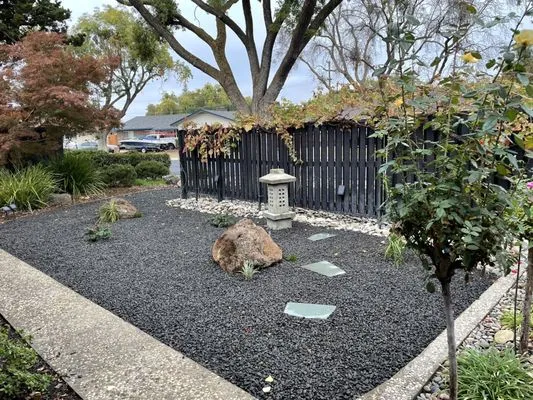
C & J Landscape Service in Modesto, CA, was founded in 2012 by brothers Crisanto and [Brother's Name] Valencia. Crisanto's journey began in 2006 as a gardener, learning maintenance and hardscape skill...
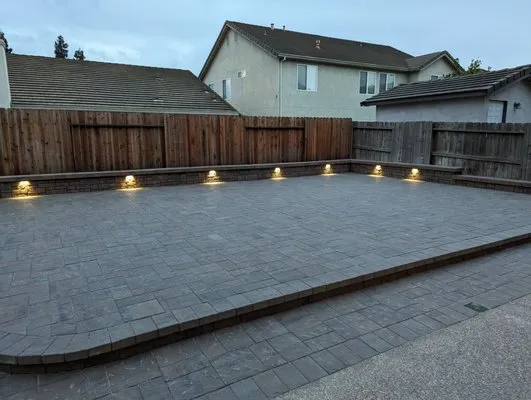
Choice One Landscape is a Modesto-based landscaping company founded in 2001 by Greg Smith, a hands-on owner with over 36 years of local experience. Starting from gardening roots, the company has grown...
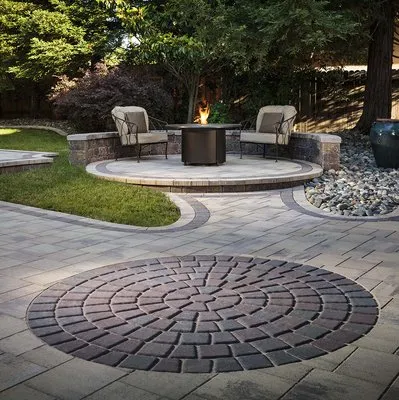
The Paver Company
The Paver Company is a family-owned and operated landscaping business based in Modesto, CA, with over 30 years of experience serving the Greater Sacramento area. As a locally owned, licensed, and cert...
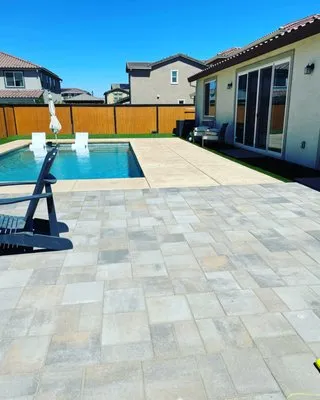
Natural Landscaping is a trusted, family-owned and operated company serving Modesto and the surrounding area. With many years of hands-on experience, we specialize in high-quality landscaping services...
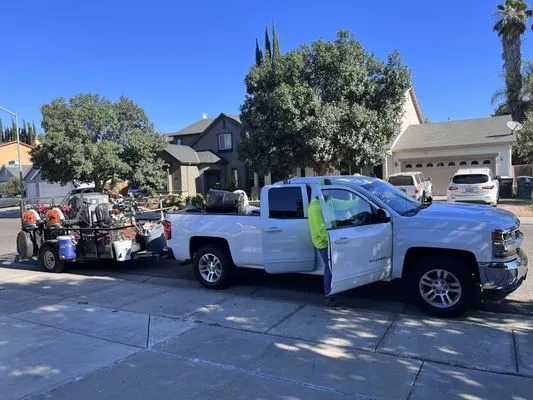
Schmid Landscaping is a licensed, family-owned landscaping service in Modesto, CA, with over 20 years of experience. Founded by Richard, who has a passion for keeping yards beautiful and well-maintain...
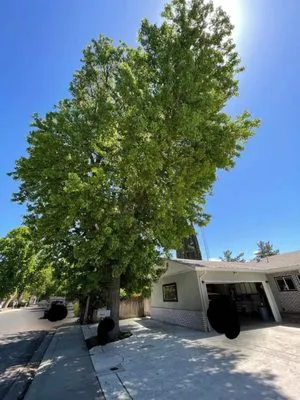
Cal Roots has been a trusted part of the Modesto community since 2013, built on a foundation of hands-on expertise and a genuine passion for the work. As the owner and a Certified Arborist with over 1...
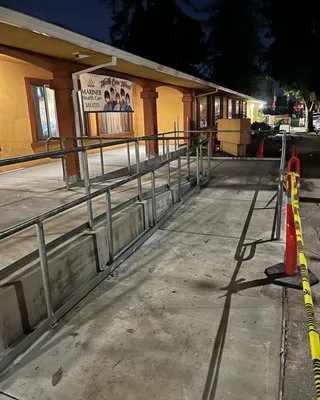
As the founder of New Gen Concrete, my mission is simple: to elevate the concrete and masonry industry here in Modesto by delivering lasting quality with integrity, professionalism, and pride. With ov...
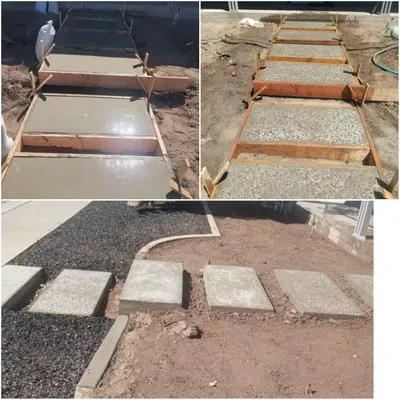
Handy Man Jose is a trusted local service provider in Modesto, CA, specializing in junk removal, landscaping, and handyman services. With over 10 years of experience, Jose offers reliable solutions fo...
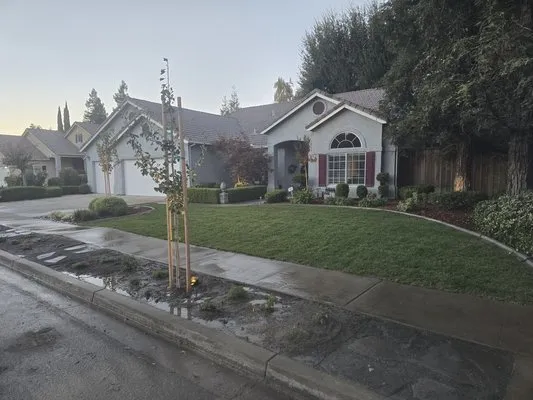
WolfPack EarthCare & Irrigation is a Modesto-based licensed landscape contractor dedicated to transforming outdoor spaces with expertise and care. Specializing in irrigation systems, sustainable edibl...
Q&A
What permits and licenses are needed for grading my 0.19-acre property?
Grading a 0.19-acre College Area lot requires a Modesto Community & Economic Development Department permit for any earth movement exceeding 50 cubic yards. California Contractors State License Board (CSLB) licensing is mandatory for contractors performing grading work, with specific classification for earthwork and paving. The permit process includes drainage plans demonstrating compliance with municipal runoff standards and erosion control measures. Professional licensing ensures proper engineering for slope stability and prevents soil compaction that could affect neighboring properties' foundation integrity.
Are decomposed granite and permeable pavers better than wood for fire safety?
Decomposed granite and permeable concrete pavers provide superior fire resistance compared to wood, achieving non-combustible ratings essential for Modesto's Moderate Urban Interface zones. These materials maintain defensible space requirements by eliminating flammable organic matter accumulation. Permeable installations reduce heat island effect by 15-20°F compared to traditional concrete. Their 25+ year lifespan with minimal maintenance outperforms wood's 8-12 year replacement cycle, particularly in College Area's alkaline soil conditions that accelerate wood decay.
How can I maintain Tall Fescue turf with Modesto's Stage 2 water restrictions?
Wi-Fi ET-based weather sensing controllers optimize Tall Fescue irrigation within Modesto's 2-day-per-week limits by calculating evapotranspiration rates specific to College Area microclimates. These systems adjust runtime based on real-time weather data, typically reducing water use 20-30% while maintaining turf health. Programming deep, infrequent watering cycles (0.75 inches per session) encourages deeper root growth. Controllers automatically skip irrigation during rain events, ensuring compliance with both water restrictions and fertilizer ordinance requirements.
How do I treat invasive species without violating fertilizer blackout dates?
Modesto's most concerning invasives include Yellow Starthistle and Tree of Heaven, which require targeted treatment outside rain events to prevent runoff violations. Manual removal during dry periods followed by organic pre-emergent applications avoids fertilizer ordinance conflicts. For persistent infestations, spot treatments with glyphosate alternatives like clove oil or citrus-based herbicides applied during forecasted dry spells prevent chemical migration. Regular monitoring and immediate removal of seedlings reduces future treatment needs while maintaining soil health.
What's the best solution for runoff problems in my clay-heavy yard?
San Joaquin Loam's moderate runoff issues require integrated drainage solutions starting with soil amendments to improve permeability. Installing permeable concrete pavers or decomposed granite hardscapes creates 30-40% void spaces for water infiltration. The Modesto Community & Economic Development Department requires drainage plans showing 100% on-site retention for projects over 500 square feet. French drains with clean gravel backfill and geotextile fabric provide additional capacity, while bioswales planted with Deergrass filter runoff before it reaches storm systems.
How quickly can you respond to an emergency storm cleanup for HOA compliance?
Emergency storm response from our Graceada Park dispatch reaches College Area properties in 25-35 minutes during peak conditions via CA-99. Our electric fleet operates below 65dB noise ordinance limits while handling downed branches up to 6-inch diameter. We prioritize routes avoiding CA-99 congestion points near downtown Modesto. The response includes immediate debris removal, temporary erosion control measures, and documentation for HOA compliance verification.
Why does my College Area yard have such compacted soil that won't drain properly?
Modesto's College Area homes built around 1978 sit on 48-year-old San Joaquin Loam soil that has developed significant clay-pan compaction over decades. This alkaline soil (pH 6.5-7.5) naturally hardens with age, reducing permeability to less than 0.5 inches per hour. Core aeration with 3-4 inch depth penetration followed by compost topdressing at 0.25 cubic yards per 1000 square feet addresses this historical compaction. Organic amendments like aged manure or mushroom compost improve soil structure while maintaining the native pH range.
What native plants could replace my high-maintenance lawn ahead of gas-blower restrictions?
Transitioning to California Poppy, Western Redbud, Valley Oak, Deergrass, and Narrow-leaf Milkweed creates a self-sustaining landscape that eliminates weekly mowing and gas-powered maintenance. These natives thrive in Zone 9b with minimal irrigation once established, reducing water use by 70-80% compared to turf. The planting scheme supports local pollinators while meeting Modesto's phase-out timeline for gas-powered equipment. Mature native plantings require only seasonal pruning with electric tools, operating well below 65dB ordinance limits.
