Top Landscaping Services in Mission Hills, CA, 93436 | Compare & Call
There are 93 landscaping companies server in Mission Hills CA
A VALLEY GARDENING AND LANDSCAPING SERVICE
A Valley Gardening and Landscaping Service transforms Lompoc properties with thoughtful, creative designs and dependable maintenance. We combine artistic vision with practical know-how, offering servi...
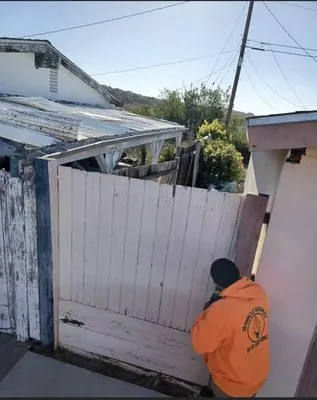
Seminole Services is a trusted landscaping and handyman business serving Lompoc, CA, specializing in comprehensive outdoor care. We address common local landscaping challenges like irrigation timer fa...
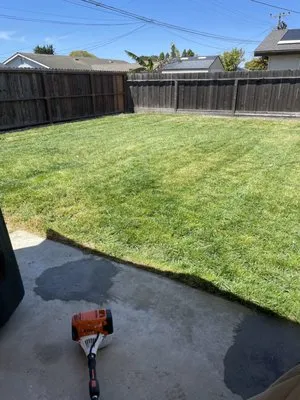
Rodriguez Lawn Care, led by owner Steven Rodriguez, is a dedicated local lawn service provider in Lompoc, CA, with four years of hands-on experience. We specialize in comprehensive lawn care, focusing...
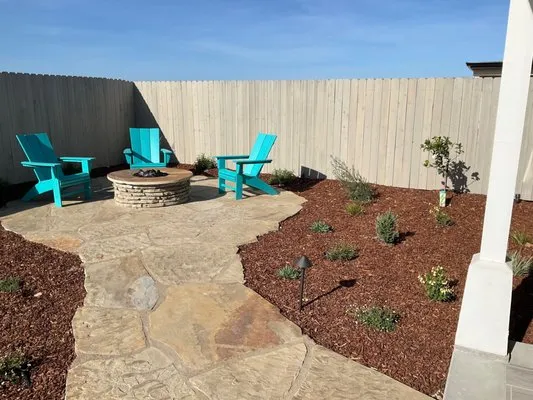
TCT Landscaping has been transforming outdoor spaces in Buellton and the surrounding areas since 1978. Founded by a Cal Poly San Luis Obispo graduate, our 46 years of experience have earned us over 20...

A Cut Above The Rest Landscaping is a trusted lawn care provider serving Lompoc, CA, specializing in comprehensive lawn services to address common local landscaping challenges. Many homes in Lompoc fa...
Tado Landscape is a locally owned and operated business in Lompoc, founded by two dedicated young landscapers. We're committed to providing our neighbors with comprehensive property care, combining sk...
Luis Yard Cleaning is a trusted lawn care service provider based in Lompoc, CA, specializing in maintaining healthy, vibrant lawns for local homeowners. We understand that many Lompoc residents face c...
B&M Elite Landscapes is your local Lompoc team dedicated to keeping your yard looking sharp and well-maintained. We provide expert lawn mowing and precision weed whacking, focusing on crisp, even cuts...

Tapia's Landscaping is a trusted, full-service landscaping company serving Lompoc, CA, and the surrounding areas. We specialize in irrigation, landscape construction, design, maintenance, and tree car...
Two Friends Landscaping was founded by two friends dedicated to transforming outdoor spaces in Lompoc and the Santa Barbara area. With years of hands-on experience, they provide dependable residential...
Estimated Landscaping Service Costs in Mission Hills, CA
Common Questions
A storm caused major debris and we need an emergency cleanup to meet HOA compliance. How quickly can a crew arrive?
For an emergency dispatch from our base near Mission Hills Park, a crew will route via the I-5/I-405 interchange to reach Brand Park Estates, with an estimated arrival of 25-40 minutes during peak response windows. Our fleet operates exclusively with electric commercial equipment, ensuring immediate start-up without violating the city's noise ordinance. We prioritize site safety and rapid debris removal to mitigate slope instability and runoff hazards common after heavy rain.
We have significant runoff and pooling in our yard. What's the best solution for our sloped, sandy loam property?
Alkaline sandy loam in Mission Hills has low permeability, exacerbating runoff on slopes. The primary solution is installing a French drain system tied into dry wells to capture and slowly percolate water. For any new hardscaping, specify permeable concrete pavers, which meet LADBS standards for stormwater management by allowing infiltration. This combined approach directly addresses the high runoff potential and improves slope stability.
Our lawn in Brand Park Estates feels compacted and struggles to hold water. Could the age of our property be a factor?
Properties built around 1969, like many in your neighborhood, have soils with a 57-year history of standard maintenance. The native alkaline sandy loam, with a pH of 7.5-8.2, becomes increasingly dense and hydrophobic over decades, losing its structure and organic matter. This maturity severely reduces soil percolation and root penetration. Annual core aeration combined with top-dressing with composted organic matter is critical to rebuild soil health and water retention.
We want to reduce mowing, blowing, and watering. What are the most effective native replacements for our high-maintenance grass?
Transitioning to a climate-adaptive xeriscape with natives like Cleveland Sage, Toyon, Deer Grass, and White Sage eliminates weekly mowing and drastically reduces irrigation needs. This palette is naturally fire-resilient, aligning with the area's Very High Fire Hazard Severity Zone rating. The shift also future-proofs your property against tightening gas-blower restrictions, as established native gardens require minimal maintenance, primarily handled by quiet, electric hand tools.
We want to regrade part of our 0.15-acre lot. What permits and contractor qualifications are required?
Any significant grading or earthwork on a sloped property in Los Angeles requires a permit from the Los Angeles Department of Building and Safety (LADBS) to ensure stability and drainage compliance. You must hire a contractor holding a specific 'C-27' or 'A' license from the California Contractors State License Board (CSLB), as this work affects foundational integrity. For a lot of this size, improper grading can lead to major slope failure and liability, making professional licensing non-negotiable.
We're considering a new patio. Are permeable concrete pavers a better long-term choice than wood in our area?
Yes, for longevity and fire safety. Permeable concrete pavers are inert, non-combustible, and require no sealing or replacement, unlike wood which degrades and poses a fuel hazard. In a High Fire Wise rated WUI zone, creating defensible space with non-flammable materials is critical. Pavers also directly address the drainage hazard by managing runoff on-site, a functional advantage that wood decking cannot provide.
With Stage 2 water restrictions on specific days, how can we keep our St. Augustine turf healthy without wasting water?
Compliance hinges on using a Smart Wi-Fi ET-based weather-sensing controller. This system automatically adjusts irrigation schedules by calculating real-time evapotranspiration (ET) rates, aligning precisely with municipal watering days. It bypasses manual errors and prevents overwatering, which is particularly damaging to St. Augustine on slopes. This technology delivers water only when and where the turf needs it, preserving your lawn while strictly adhering to city water limits.
We've spotted what looks like invasive Bermuda grass in our flower beds. How should we treat it without harming the soil or violating local ordinances?
That is likely a common invasive grass alert. For spot treatment, use a targeted, non-selective herbicide applied carefully to avoid runoff, strictly following the City of Los Angeles Stormwater Pollution Prevention guidelines. Never apply before forecasted rain. For organic control, persistent solarization with clear plastic during peak heat can be effective. The key is immediate action to prevent it from outcompeting your desirable plants and destabilizing soil structure.
