Top Landscaping Services in Milpitas, CA, 95035 | Compare & Call


We Start Gardens began in Milpitas with a simple mission: to help local families grow their own food. After restoring his mother's backyard, the founder discovered the deep satisfaction of gardening a...
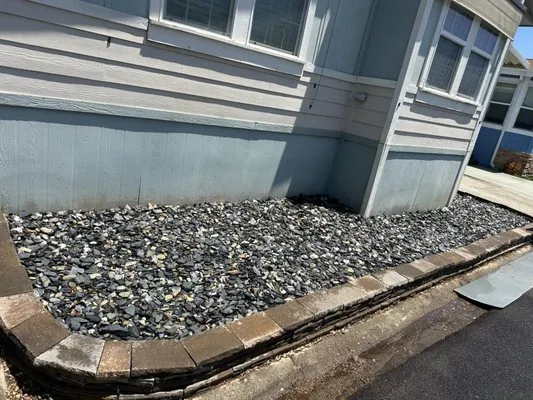
Solorio Greenscape and Hauling is a family-run landscaping and hauling company serving Milpitas and the greater Bay Area. Founded by owner Jose Solorio, the business combines construction expertise wi...
D&N Landscaping is a trusted local landscaping company serving Milpitas, CA, and the surrounding areas. We specialize in addressing common local landscaping challenges, particularly landscape edging d...

San Jose Bay Landscape is a full-service landscaping company serving Milpitas, CA, specializing in comprehensive outdoor solutions. We offer gardening, irrigation systems, hardscaping like driveways a...

TruGreen in Milpitas, CA is a professional landscaping service specializing in maintaining healthy, resilient outdoor spaces for local homes and businesses. In the Milpitas area, common issues like la...
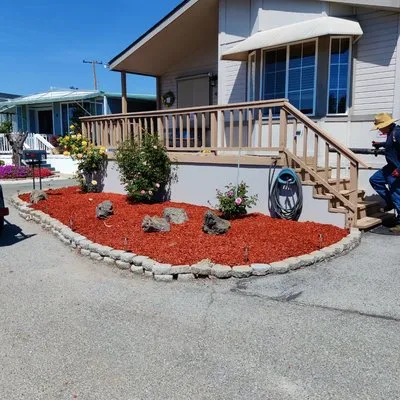
Adan Gonzalez Landscaping is a trusted Milpitas-based landscaping company specializing in landscape construction, installation, and greenscape construction. We understand the common challenges local h...
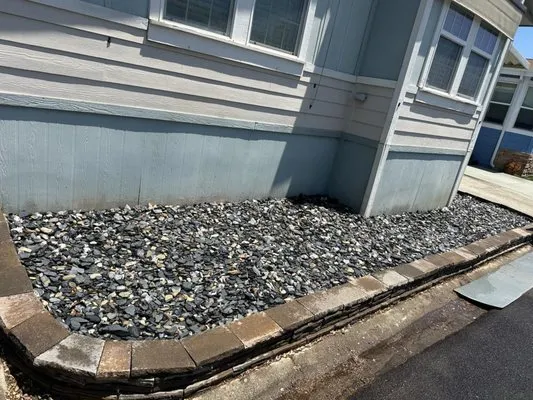
Rivera Greenscape and Hauling
Rivera Greenscape and Hauling is a family-owned business serving Milpitas, CA, with over nine years of experience in junk removal, hauling, and comprehensive lawn and landscaping services. Founded by ...

As a licensed and qualified professional serving Milpitas households since 2010, I provide efficient, reliable, and honest handyman, firewood, and lawn services. My approach is straightforward: I go t...

Jensen Landscape is a licensed landscape service provider based in Milpitas, CA, with over 45 years of experience in landscape installation and maintenance. Serving both residential and commercial pro...
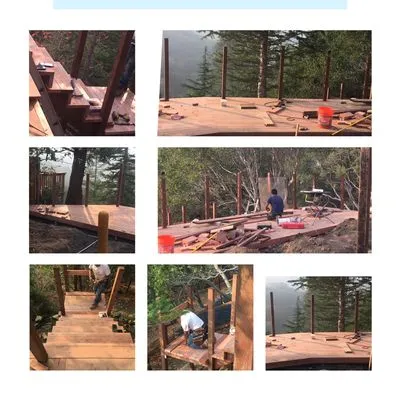
Robert T. Rudolph Construction and Landscaping
Robert T. Rudolph Construction and Landscaping is a family-owned and operated business serving Milpitas and the surrounding Bay Area communities for over 20 years. Founded in 1981, we bring extensive ...
Frequently Asked Questions
Our backyard floods after winter rains. What's a long-term solution?
Pooling water indicates the high runoff hazard inherent to Milpitas's heavy clay soils, where surface compaction overwhelms natural percolation. The fundamental correction involves regrading to create positive slope away from foundations and installing a subsurface French drain system. For any new patios or walkways, specifying permeable concrete pavers is required; they meet Milpitas Planning and Neighborhood Services' stormwater standards by allowing infiltration, directly reducing the burden on municipal drains.
Can I keep my Tall Fescue lawn healthy under Stage 2 water conservation rules?
Yes, through precise irrigation management. A properly configured Wi-Fi Weather-Based Irrigation Controller (WBIC) uses real-time evapotranspiration (ET) data to apply water only when needed, often reducing usage 20-30% below manual schedules. For clay loam, we program short, multiple cycles to prevent runoff, ensuring deep penetration to the dwarf fescue's root zone. This system automatically adheres to municipal limits while maintaining turf health, making voluntary conservation both effective and sustainable.
How should we treat invasive weeds like Yellow Star-thistle safely?
For invasive species, mechanical removal before seed set is the primary defense. If chemical control is necessary for persistent perennials, select a targeted, non-volatile herbicide and apply it during the dry season to avoid runoff, strictly following the Regional Water Quality Control Board's stormwater discharge regulations. Never apply near forecasted rain. Promoting dense growth of desired plants through proper soil health is the most effective long-term strategy to outcompete invasives without regulatory conflict.
What are the benefits of replacing some lawn with native plants?
Transitioning to a climate-adaptive landscape with species like Cleveland Sage, Deer Grass, and Western Redbud significantly reduces water demand, mowing frequency, and fuel-based maintenance. This preemptively aligns with evolving regulations, including the city's mandate for electric equipment, by eliminating the need for gas-powered blowers and trimmers. These natives support local pollinators and require no synthetic fertilizers, creating a resilient system that meets 2026 biodiversity and urban heat island mitigation goals.
How quickly can you respond for an emergency storm cleanup to meet HOA compliance?
For urgent post-storm debris removal in Midtown Milpitas, our electric fleet can dispatch from the Milpitas Civic Center area. Routing north on Main Street to I-880 provides direct arterial access, allowing for a 20-30 minute arrival during peak congestion windows. We prioritize securing downed limbs and clearing drainage paths to prevent secondary water damage, which is a common compliance violation. All equipment operates within the city's electric-only noise ordinance for residential zones.
What permits and licensing are needed to regrade our 0.15-acre lot?
Any significant grading altering drainage patterns or involving over 50 cubic yards of earth requires a permit from Milpitas Planning and Neighborhood Services. The contractor must hold a C-27 Landscaping license or a C-12 Earthwork and Paving license from the California Contractors State License Board (CSLB). This ensures they carry the required bond and insurance and understand soil engineering principles critical for preventing structural settlement or negative impacts on neighboring properties.
Why does the soil in our Midtown Milpitas yard feel so hard and dense?
Homes built around the 1986 average in this neighborhood are on 40-year-old construction fill, a compacted clay loam common to the region. Decades of foot traffic and standard mowing have reduced soil permeability, creating a dense layer that restricts root growth and water infiltration. Annual core aeration in early fall, combined with top-dressing 1/4 inch of high-quality compost, is critical to rebuild soil structure and introduce organic matter. This directly addresses the native pH of 7.2-7.8 by fostering microbial activity that naturally buffers soil chemistry.
Are permeable pavers a better choice than wood decking for our patio?
For durability and fire resilience in our Moderate Fire Wise Rating zone, permeable concrete pavers are superior. They provide a non-combustible, defensible space material with a 30+ year lifespan, unaffected by moisture and rot. Unlike wood, they require no sealing or staining and their modular nature allows for easy repair. The permeability function also contributes to site-level stormwater management, a key consideration for new installations under current building codes.
