Top Landscaping Services in Mill Valley, CA, 94941 | Compare & Call
There are 214 landscaping companies server in Mill Valley CA
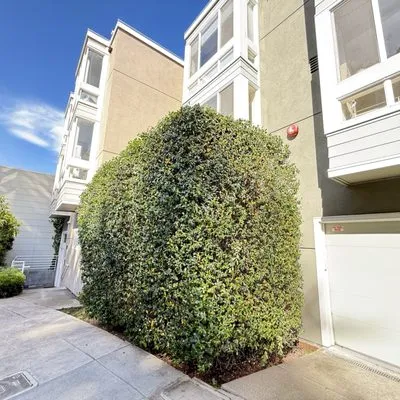
Silvio, the owner of Verde Garden Service, has been caring for San Francisco Bay Area yards alongside his family for over 20 years. Since founding the company in 2003, his focus has been on helping ne...
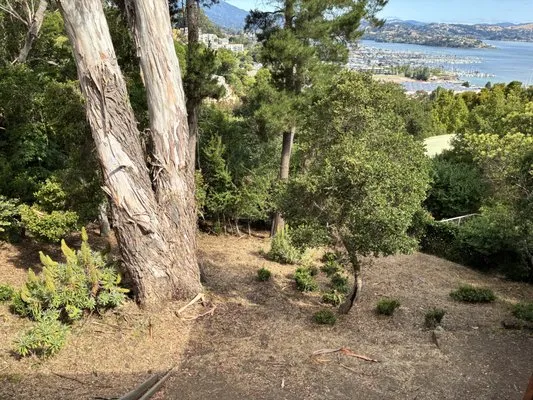
Yardwork Landscaping was founded from a deep-rooted passion for gardening, cultivated since childhood. Since 2002, we've been a trusted, licensed landscape contractor serving Marin County and the grea...
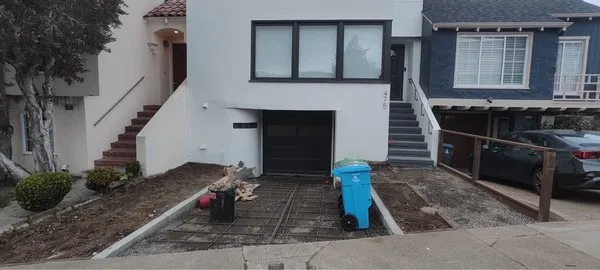
Greenviews Landscaping Construction
Cristian leads Greenviews Landscaping Construction, a San Francisco-based team with years of experience transforming Bay Area yards into beautiful, functional outdoor spaces. We combine a passion for ...
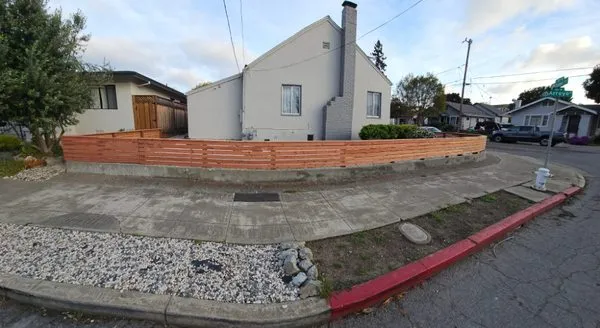
Miranda Landscaping is a licensed, full-service landscaping company serving San Pablo, CA, with expertise in landscaping, masonry/concrete, and fences & gates. Our team includes a retired Landscape Ar...
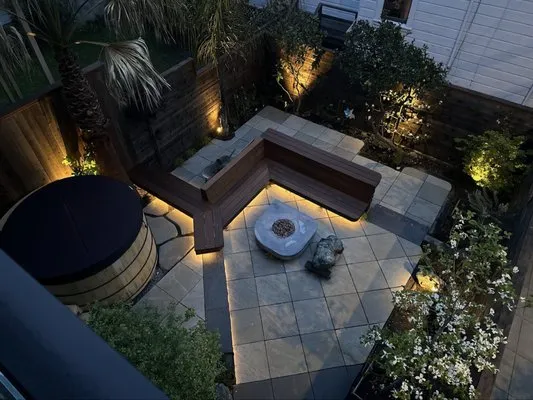
Sculpt Gardens is a San Francisco landscape design and build company with over 20 years of experience serving the Bay Area. We specialize in creating custom, low-maintenance outdoor spaces that functi...
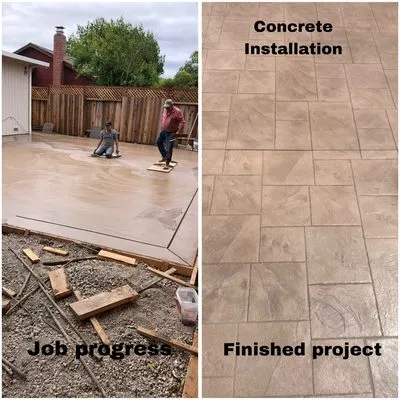
As a family man who came to this country with a dream, I've spent the last 25+ years turning my passion for landscaping into a thriving Petaluma business. My journey started with a simple vision: to b...
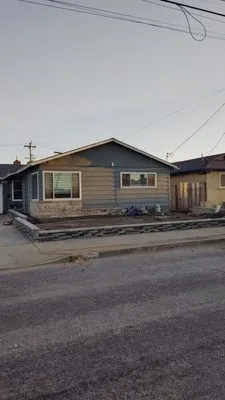
Luis Ramirez brings over three years of dedicated experience to Oakland homes, offering a comprehensive range of handyman, painting, and landscaping services. While Luis is a seasoned expert in hands-...
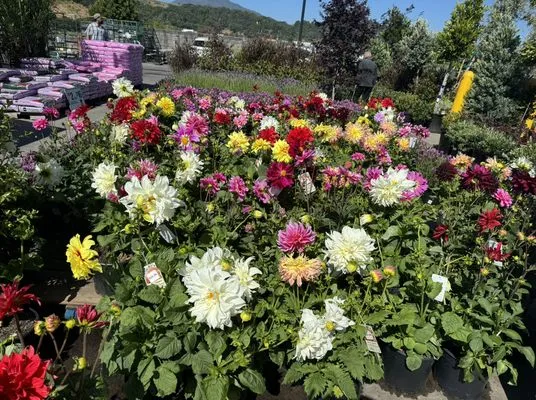
Pablo's Gardener Services is a trusted local provider in San Rafael, CA, specializing in comprehensive outdoor solutions. We offer professional gardening, landscaping, and tree care services, along wi...
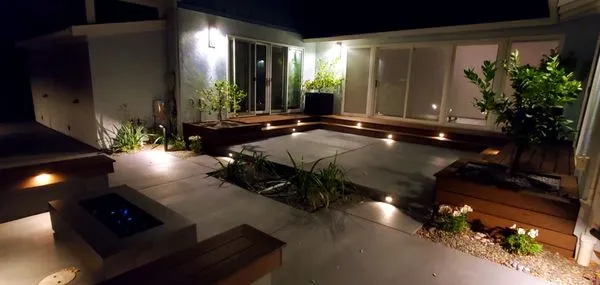
Bon Terra Landscapes
Bon Terra Landscapes is a Corte Madera-based, licensed design-build firm founded by Johnny Fort. His career path is rooted in environmental science, beginning with a BA in Urban Studies and work for t...
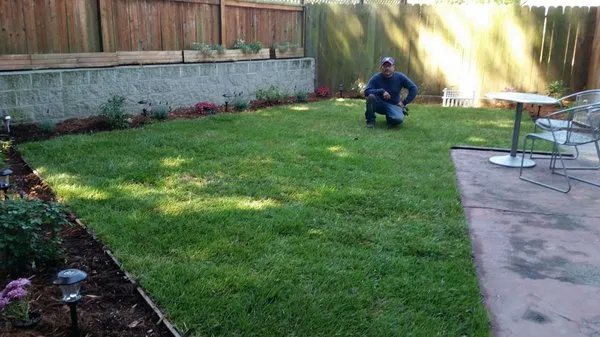
JBS Landscaping is a Petaluma-based landscaping company founded in 2007 by Juan, a local native with deep roots in the community. Juan's lifelong passion for gardening and roses, combined with years o...
Estimated Landscaping Service Costs in Mill Valley, CA
Q&A
What should we do about invasive weeds like Himalayan Blackberry?
Invasive species like Himalayan Blackberry thrive in disturbed soils and require a targeted, multi-year management plan. Manual removal of root crowns is followed by careful spot-treatment, timed outside the Regional Water Board's MS4 compliance blackout dates to prevent herbicide runoff. Post-removal, soil is immediately amended and replanted with competitive natives like California Poppy to prevent re-establishment and protect watershed health.
How quickly can you respond to an emergency like a downed tree?
For urgent HOA compliance or storm-related cleanup in Tamalpais Valley, our electric fleet can dispatch from a staging area near Old Mill Park. The route via US-101 allows a 20-30 minute arrival during peak response windows. This operational speed is optimized for slope instability incidents common after winter rains, ensuring we meet critical safety and access timelines without violating residential noise ordinances.
Our yard floods and erodes on slopes. What's the solution?
High runoff on Mill Valley's acidic clay loam slopes is a frequent drainage hazard. The solution integrates subsurface French drains with surface grading to redirect water flow. Replacing impervious surfaces with permeable basalt pavers is also critical; this material meets Mill Valley Planning Department runoff standards by allowing water to infiltrate locally, reducing slope instability and channeling stormwater more effectively.
Why does our soil seem so compacted, and can we fix it?
Mill Valley homes built around 1957, like many in Tamalpais Valley, sit on nearly 70-year-old landscapes where soil structure has degraded. The native acidic clay loam naturally compacts over decades, reducing permeability and root growth. Core aeration followed by amending with composted organic matter is the primary corrective measure. This process introduces oxygen and improves water infiltration, directly addressing the poor percolation common in these established lots.
How do we keep our lawn green during water restrictions?
Stage 1 voluntary conservation in Mill Valley requires precision water management. An ET-based, Wi-Fi-enabled irrigation system is calibrated to local evapotranspiration data, applying water only when the Tall Fescue blend actually needs it. This technology can reduce water use by 20-30% compared to traditional timers by automatically adjusting for fog, wind, and temperature shifts, keeping turf healthy within municipal limits.
What permits and licenses are needed for a major backyard renovation?
Grading or retaining wall work on a 0.22-acre lot typically requires a permit from the Mill Valley Planning & Building Department to ensure compliance with hillside and drainage codes. The contractor must hold a valid C-27 Landscape Contractor license from the California CSLB. This licensing is non-negotiable for projects affecting soil stability or water flow, as it guarantees both technical competency and financial accountability for the property owner.
Are permeable pavers a good choice for our patio, and how do they compare to wood?
Permeable basalt pavers offer superior longevity and functionality compared to wood decking in Mill Valley's climate. They provide a stable, non-combustible surface critical for maintaining the defensible space required in an Extreme Fire Wise rating zone. Unlike wood, which decays and requires chemical treatments, basalt pavers manage site runoff effectively, contribute to a cooler microclimate, and have a lifespan measured in decades with minimal maintenance.
Is there a lower-maintenance alternative to our traditional lawn?
Transitioning high-input turf to a climate-adapted xeriscape of native plants like Ceanothus, Purple Sage, and Toyon significantly reduces water, mowing, and chemical needs. This shift aligns with evolving 2026 standards, including electric-only maintenance mandates for gas blowers. A native palette supports local biodiversity, provides year-round interest, and builds inherent resilience against drought, directly supporting Fire Wise WUI Zone 1 compliance.
