Top Landscaping Services in Menlo Park, CA, 94025 | Compare & Call
There are 209 landscaping companies server in Menlo Park CA
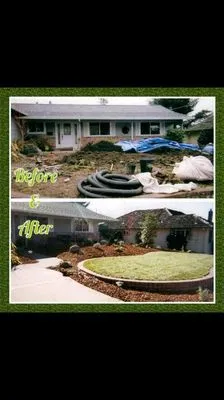
Urizar Gardening is a Menlo Park landscaping company founded and led by Otoniel García. With over 13 years of dedicated experience in the industry, Otoniel established the business in 2009 with a core...
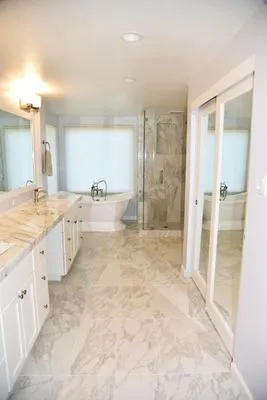
Natural Vibrations
Natural Vibrations is a full-service landscape and construction firm based in La Honda, founded by Kris Keeler and Aaron Mayers. Both are California Polytechnic graduates in Landscape Architecture, br...
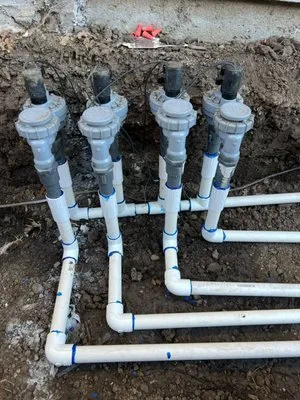
Fuentes Landscape is a Palo Alto-based landscaping company with over 13 years of experience, founded by Geovani Fuentes. Geovani discovered his passion for gardening in 2010 when he realized his love ...
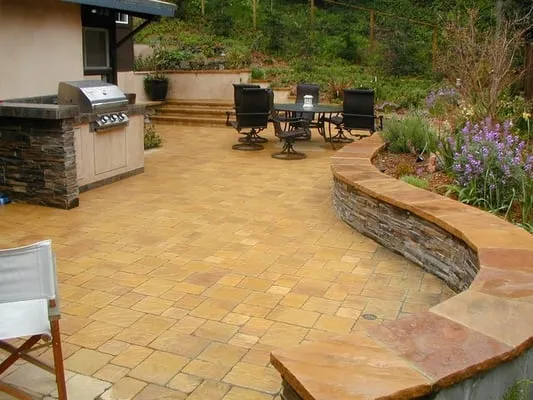
Winning Landscape is a trusted Menlo Park landscaping company dedicated to solving common local yard problems like overwatered lawns and mulch erosion. We provide expert solutions tailored to the Peni...
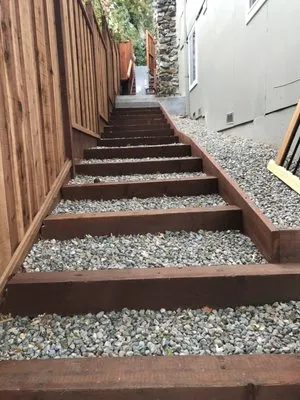
Garcia Garden Service
Garcia Garden Service is a trusted landscaping, masonry, and tree service provider serving East Palo Alto, CA. We specialize in comprehensive outdoor solutions including gardening, driveway and patio ...
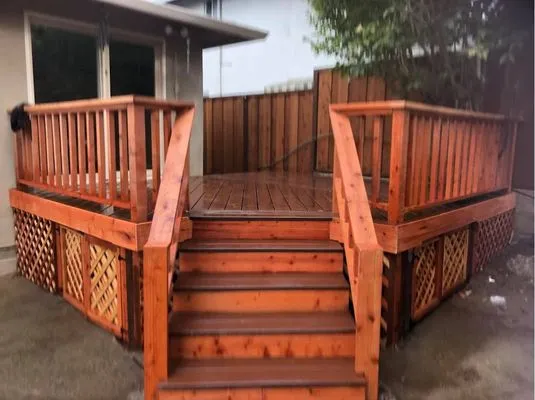
Arrellin Landscaping, led by owner Ignacio with over 25 years of experience, is your local partner for building and maintaining outdoor spaces in East Palo Alto. We specialize in bringing your landsca...
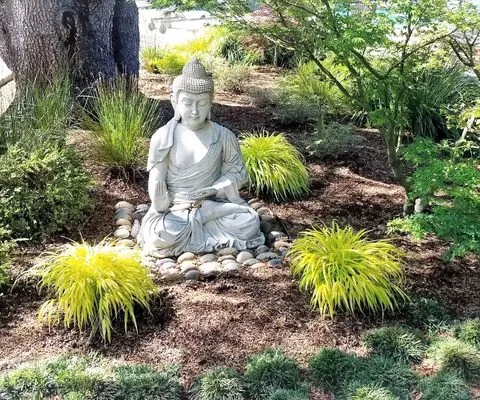
Galicia Landscapers serves homeowners in Menlo Park, CA, with a comprehensive range of landscaping services. We specialize in creating and maintaining beautiful, functional outdoor spaces, from custom...

Gachina Landscape Management is a woman and minority-owned commercial landscaping company serving Menlo Park and the Bay Area. With over 25 years of experience, they specialize in regenerative landsca...
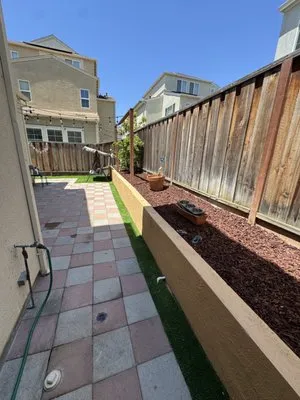
Goatscape Landscaping is a Bay Area, CA team specializing in clean, durable hardscapes and low-maintenance, water‑wise landscapes. We handle everything from planning and prep to installation and finis...
Jose's Landscaping is a trusted Menlo Park landscaping and tree service company serving the local community with comprehensive outdoor solutions. We specialize in landscape construction, design, and m...
Estimated Landscaping Service Costs in Menlo Park, CA
FAQs
How quickly can you respond to an HOA violation notice for overgrown vegetation?
Emergency cleanup crews dispatch from the Menlo Park Civic Center and Library area, taking US-101 to reach Downtown Menlo Park within 20-30 minutes during peak conditions. This routing prioritizes arterial access while avoiding residential congestion. Electric-only equipment compliance means crews arrive ready to work immediately under Municipal Code 8.06, with no warm-up delays for gas equipment.
What permits and licenses are needed for regrading my yard?
Grading work on a 0.16-acre Menlo Park lot requires Planning Division approval for any cut/fill exceeding 50 cubic yards. Contractors must hold appropriate CSLB licenses for earthwork and drainage improvements. Unlicensed grading risks fines and may void property insurance if drainage patterns change. Professional licensing ensures compliance with BASMAA stormwater regulations and proper engineering for soil stability on clay loam substrates.
Why does my Menlo Park soil seem compacted and drain poorly?
Downtown Menlo Park properties built around 1960 have 66-year-old soil profiles dominated by urban fill and clay loam. This soil type naturally compacts over decades, reducing permeability and oxygen availability to roots. Core aeration with organic amendments like compost is essential to improve soil structure and water infiltration. Without intervention, this compaction leads to seasonal ponding and restricts root development for both turf and ornamental plants.
How do I keep my Tall Fescue healthy during Stage 1 water restrictions?
Smart Wi-Fi ET-based controllers like Weather-Trak or Rachio adjust irrigation schedules daily based on evapotranspiration data and local weather patterns. These systems typically reduce water use 20-30% while maintaining turf health by applying water only when plants need it. Programming should account for Menlo Park's clay loam soil, which requires slower, deeper watering cycles to prevent runoff. This approach keeps Tall Fescue within voluntary conservation limits while avoiding drought stress.
Should I replace some lawn with native plants to reduce maintenance?
Transitioning high-maintenance turf areas to California natives like Ceanothus, Western Redbud, or Sticky Monkeyflower significantly reduces water, mowing, and fertilization needs. These adapted species require minimal irrigation once established and support local pollinators. This shift also aligns with electric-only equipment mandates, as native plantings need less frequent maintenance than weekly-mowed turf. The transition creates a more resilient landscape that anticipates tightening water regulations.
Are permeable pavers better than wood decking for fire safety?
Permeable concrete pavers provide superior fire resistance compared to wood, creating defensible space crucial in Menlo Park's Moderate WUI zones. Pavers won't combust during wildfire events and maintain structural integrity under heat stress. Their non-flammable nature complements vegetation management in creating buffer zones. While wood requires chemical treatments for fire resistance, pavers offer inherent safety with lower long-term maintenance.
What invasive species should I watch for and how do I control them safely?
Menlo Park faces persistent threats from French broom, yellow star-thistle, and Himalayan blackberry. Manual removal before seed set is most effective for small infestations. For chemical controls, follow BASMAA Nutrient Guidelines regarding application timing to protect watersheds. Avoid treatments during blackout dates when rain could carry herbicides into storm drains. Regular monitoring and early intervention prevent these invasives from establishing in your 0.16-acre property.
What's the best solution for seasonal ponding in my clay-heavy yard?
High clay content in Menlo Park's urban fill soil creates poor percolation, leading to temporary ponding after winter rains. Installing permeable concrete pavers increases surface infiltration rates while meeting Planning Division runoff standards. These pavers allow 80-95% of rainfall to pass through to underlying soil or drainage systems. For severe cases, French drains or dry wells may be necessary to redirect subsurface water away from structures.
