Top Landscaping Services in Livingston, CA, 95334 | Compare & Call


West Coast Turf, rooted in the heart of California's Central Valley in Livingston, is your local source for premium, professional-grade turfgrass and comprehensive landscape solutions. Founded with a ...
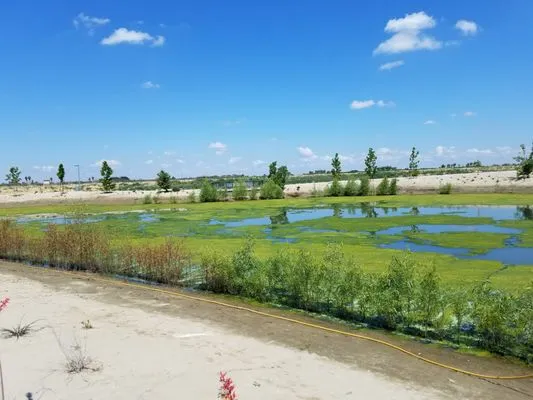
Allied Weed Control is a family-owned and operated business serving Livingston, CA, and surrounding areas since 2012. Founded by Russell Spence and his sons Alex and Perrin, the company builds on a fa...

Weed Man in Livingston, CA is a locally operated lawn care and pest control service with over 40 years of experience helping homeowners maintain healthy, vibrant outdoor spaces. We specialize in tailo...
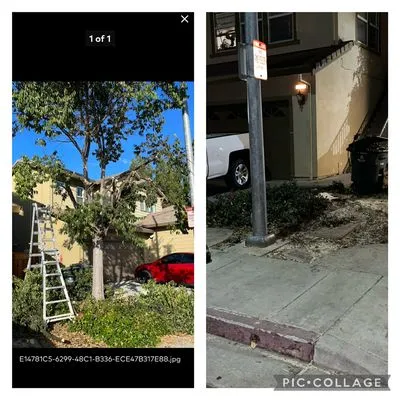
Lawn Rescuerz is a trusted, local lawn and tree care company serving Livingston, CA. We provide reliable services to maintain and improve your outdoor space, from routine lawn mowing and edging to com...
Peters Yard Service is a trusted lawn care provider serving homeowners in Livingston, CA. We specialize in comprehensive lawn care solutions designed to address common local landscaping challenges lik...

Emergency Lawncare is your trusted local partner for urgent lawn and landscape solutions in Livingston, CA. We specialize in addressing the common challenges homeowners face, such as landscape slope e...
Question Answers
Is a wooden deck or a paver patio better for longevity and fire safety in Livingston?
For durability and fire-wise compliance, permeable concrete pavers are the superior choice. Unlike wood, which requires constant sealing and deteriorates, pavers offer a 50-year lifespan with minimal maintenance. They provide a non-combustible surface critical for creating defensible space as required by the local Moderate Fire Code rating. Their permeability also manages stormwater on-site, an added benefit that solid concrete or wood decking cannot provide.
We have odd patches in the lawn and strange vines. Are these invasive, and how do we treat them safely?
Yellow nutsedge and field bindweed are common invasive alerts in the Central Valley. Correct identification is essential, as treatment methods differ. For safe control, we use targeted, non-phosphorus herbicides applied during specific growth cycles, strictly adhering to statewide BMPs to prevent runoff into waterways. Treatment timing avoids local fertilizer ordinance blackout dates and is always paired with cultural practices like improving soil compaction to give desirable plants a competitive advantage.
With Stage 2 water restrictions, how can we possibly keep a lawn green?
Precision is key under conservation mandates. An ET-based, Wi-Fi-enabled irrigation system uses real-time weather data to apply water only when and where the turf actually needs it, eliminating wasteful schedules. For Tall Fescue or Hybrid Bermuda, this technology adjusts runtime based on evapotranspiration rates, solar radiation, and humidity. This method can reduce water use by 20-40% compared to traditional timers while maintaining plant health within municipal allotments.
Our soil seems so hard and dry. Why is it so difficult to get things to grow here in Livingston City Center?
Soil maturity is a primary factor. Homes built around 1991, like many here, have soils that are approximately 35 years old. Construction processes compact the native alkaline sandy loam, destroying its natural structure and reducing percolation. This compaction, combined with a typical pH of 7.5-8.2, locks up essential nutrients like iron. Core aeration and amending with high-quality compost are not optional; they are required foundational practices to rebuild soil biology and water infiltration.
We have a sudden HOA compliance notice for overgrowth. How quickly can a crew respond for an emergency cleanup?
A dedicated crew can typically mobilize within the same business day for urgent compliance issues. Our standard dispatch route originates near the Max Foster Sports Complex, utilizing CA-99 for the most efficient north-south access to Livingston City Center. Accounting for peak traffic conditions, we plan for a 20-30 minute travel window to ensure timely arrival and immediate assessment of the property to meet your deadline.
Water pools in our yard after every rain. What's the long-term solution for our slow-draining soil?
Slow infiltration is a direct result of compaction in alkaline sandy loam, where the fine particles clog pore spaces. The permanent solution integrates subsurface and surface strategies. Installing a French drain system captures subsurface water, while regrading surfaces to direct flow is critical. Replacing impervious surfaces with permeable concrete pavers further aids infiltration, often helping a project meet the Livingston Planning Division's stormwater runoff management standards.
What kind of licensing should we look for when hiring someone to regrade our yard?
Any significant grading or earthwork on a 0.15-acre lot requires a contractor holding a valid C-27 Landscaping license from the California Contractors State License Board. This state license is mandatory for projects involving changes to land contour, drainage, or irrigation systems. Furthermore, the contractor must pull any required permits from the Livingston Planning Division, ensuring the work meets municipal codes for drainage and slope stability. Never hire an unlicensed individual for this type of structural work.
We're tired of weekly mowing and gas blower noise. What's a truly lower-maintenance alternative?
Transitioning to a climate-adaptive landscape centered on California natives is the strategic path forward. Planting a palette of Western Redbud, Deergrass, Narrowleaf Milkweed, and California Poppy establishes a deeply rooted, drought-resilient system. This approach drastically reduces mowing, eliminates leaf-blowing needs, and pre-emptively complies with tightening noise ordinances on gas equipment. It also provides critical habitat, aligning with 2026 biodiversity and water conservation goals.
