Top Landscaping Services in Lexington Hills, CA, 95026 | Compare & Call
There are 208 landscaping companies server in Lexington Hills CA
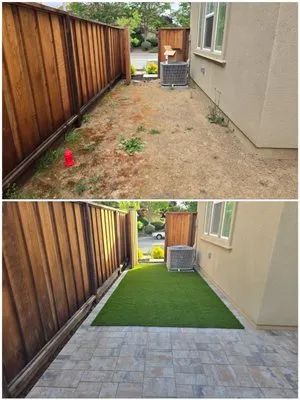
Zelada Concrete & Pavers
Zelada Concrete & Pavers is a fully licensed and insured landscaping and hardscaping contractor serving San Jose and the greater Bay Area. With over 17 years of local experience, we provide a comprehe...
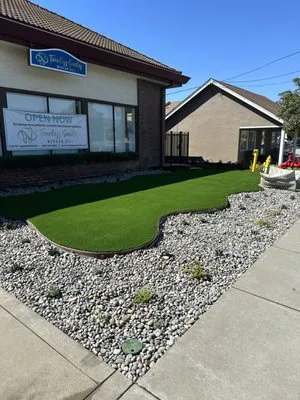
Lara Landscape Custom in San Martin, CA, is a licensed landscaping service specializing in comprehensive outdoor solutions. With expertise in concrete work, pavers, fire pits, retaining walls, and dra...
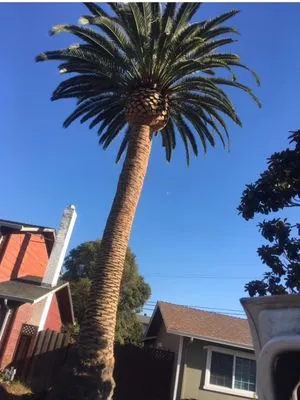
Vasquez Tree Specialists & Landscaping
Vasquez Tree Specialists & Landscaping is a licensed and insured San Jose company with over 15 years of experience transforming outdoor spaces. We specialize in comprehensive tree care—including pruni...
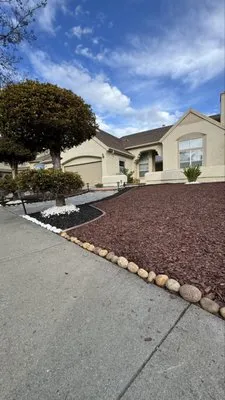
Lux Services Bay Area is a family-owned and operated business serving San Jose and the surrounding communities. We are your local, all-in-one team for moving, landscaping, and junk removal, committed ...
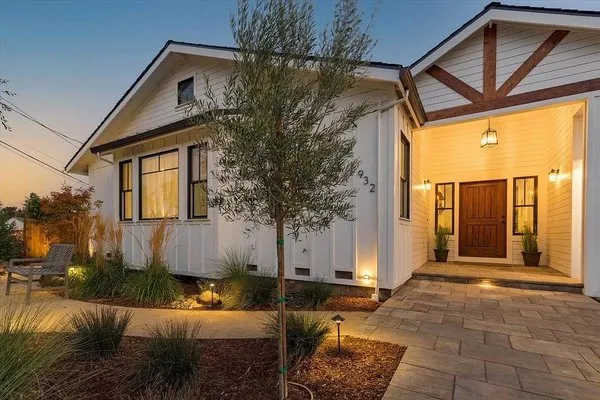
Landscape Therapist
Landscape Therapist is a family-owned landscaping company serving Sunnyvale and the South Bay Area for over 20 years. Founded by Cyrus Fakhari, who grew up appreciating the natural beauty of nearby Lo...
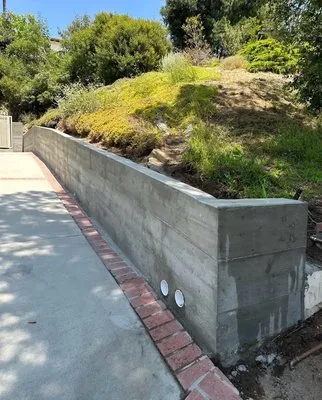
Milo Landscaping & Tree Service
Milo Landscaping & Tree Service is a San Jose-based team with a story that started in our own community. Founded when the owner was just 14 years old, our business grew from a deep-seated passion for ...
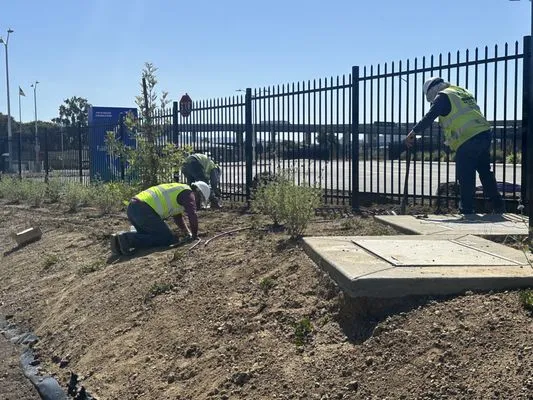
EV Landscape Services
EV Landscape Services is a family-owned San Jose landscaping company with over a decade of experience serving residential and commercial clients. We specialize in comprehensive outdoor transformations...

Hector Pro Landscaping in San Jose, CA, is a dedicated local business focused on transforming outdoor spaces into cherished areas for relaxation and family enjoyment. We specialize in comprehensive ga...
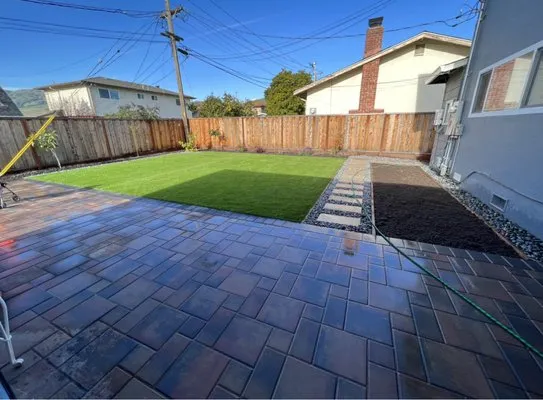
Solorio Landscaping is a San Jose-based landscaping business owned and operated by Gonzalo, who founded the company in 2015. With a genuine passion for helping the community, Gonzalo takes pride in se...
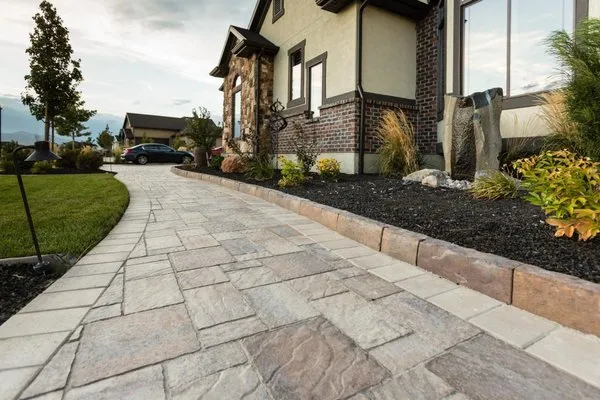
PaveMasters INC was founded on the principle that outdoor spaces should be built with a balance of beauty and solid engineering. Starting with a focus on mastering paver installation and premium artif...
Estimated Landscaping Service Costs in Lexington Hills, CA
Frequently Asked Questions
What permits and licenses are needed to regrade and terrace my backyard?
Grading on a 0.22-acre lot in Lexington Hills often triggers a permit from the Lexington Hills Planning & Building Department, especially for retaining walls over 3 feet. The contractor must hold a relevant C-27 (Landscaping) or C-12 (Earthwork) license from the California Contractors State License Board (CSLB). This ensures the work adheres to engineered plans for slope stability and drainage, protecting your property and complying with local codes.
How quickly can you respond for an emergency tree cleanup after a storm?
For urgent HOA compliance or storm damage in Lexington Hills, our electric fleet is dispatched from the Lexington Hills Community Center. Taking CA-17, we maintain a 25-35 minute peak response window. This rapid mobilization with battery-powered chippers and blowers complies with local noise ordinances while securing the property and clearing debris from access roads.
My sloped yard is eroding. What's a solution that also looks good?
Moderate slope instability in Lexington Hills' loam soils requires interventions that manage runoff volume and velocity. Permeable decomposed granite or concrete paver systems allow water to percolate into the subsoil, reducing surface flow and erosion. These materials, often set on a gravel base, meet Lexington Hills Planning & Building Department standards for onsite stormwater management while providing stable, attractive pathways.
I want to reduce mowing and blowing. What are my options?
Replacing high-input turf with a palette of native plants like Ceanothus, Toyon, and Purple Sage significantly reduces maintenance. These established plants require no mowing and minimal seasonal pruning, aligning with the shift to electric-only blower mandates. A layered planting of California Poppies and native grasses creates a resilient, biodiverse landscape that conserves water and operates quietly within community standards.
Why does the soil in my yard feel so compacted, and what can be done about it?
Homes in Lexington Heights built around 1958 sit on 68-year-old landscapes where soil compaction is a predictable outcome. The slightly acidic loam common here loses porosity over decades from foot traffic and standard maintenance. Core aeration in early spring, followed by top-dressing with a fine compost, is essential to reintroduce oxygen and organic matter, improving root penetration and water infiltration for healthier plants.
Is decomposed granite or wood better for a new patio in a fire-prone area?
For defensible space in Very High Fire Hazard Severity Zones, non-combustible materials are critical. Permeable decomposed granite is a superior choice over wood, as it creates a fire-resistant ember barrier and meets WUI Zone 2 compliance standards. Unlike wood decking, it requires no sealing, won't rot, and provides excellent drainage, offering longevity and safety with minimal maintenance.
How can I keep my Tall Fescue lawn alive with only two watering days per week?
Stage 2 water restrictions mandate efficient irrigation. Smart ET-based Wi-Fi controllers are calibrated to local evapotranspiration data, watering only when necessary. Subsurface drip lines for planting beds and precision-adjusted rotary nozzles for turf deliver water directly to the root zone, minimizing evaporation. This system maintains drought-tolerant Tall Fescue blends within municipal allotments by replacing guesswork with data.
I've spotted invasive ivy and yellow star-thistle. How should I handle them?
Invasive species like English Ivy and star-thistle are active alerts in Zone 9b. Manual removal is most effective, ensuring roots are extracted to prevent regrowth. For persistent issues, targeted spot treatments with approved herbicides must avoid the nitrogen-limited application periods and strictly observe the 50-foot phosphorus-free buffer from storm drains. A follow-up planting of competitive natives helps prevent reinvasion.
