Top Landscaping Services in Le Grand, CA, 95333 | Compare & Call
There are 193 landscaping companies server in Le Grand CA
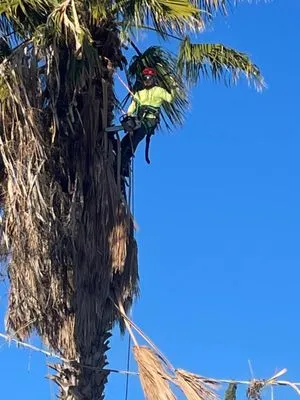
Jimenez Tree Service is a trusted, locally-owned tree and shrub care provider serving Gustine, CA, and the surrounding areas. We specialize in comprehensive landscape maintenance, tree pruning and rem...
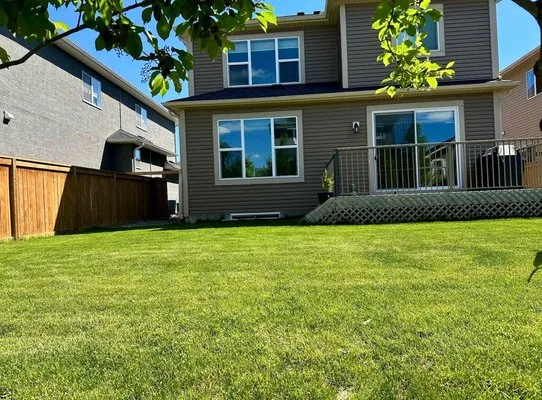
Nicole, manager of East Fresno Lawn Care since 2018, brings over a decade of green industry expertise to Fresno, CA. Her hands-on experience includes advanced irrigation system design, sustainable lan...
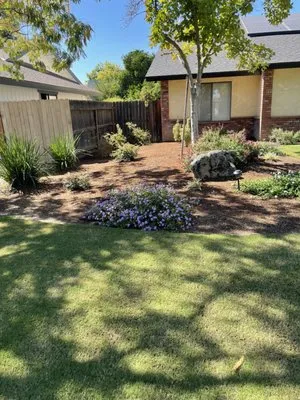
For over 20 years, CBS Tree Service & Landscaping Maintenance has been a trusted local provider serving Fresno and the surrounding area. We specialize in comprehensive tree care, including expert prun...
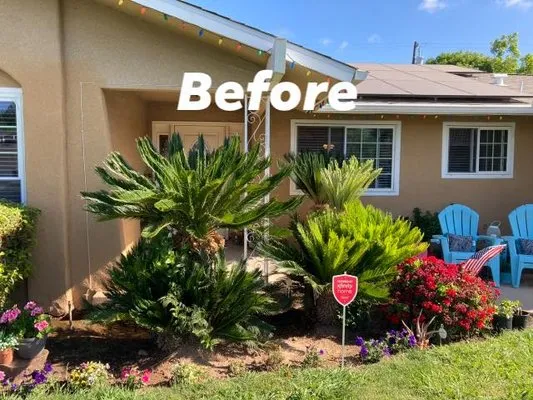
Sago Max is a Fresno-based landscaping and tree service business founded by a local entrepreneur who turned a passion for palm trees into a career. Specializing in the trimming and maintenance of Sago...
Moon's Lawn Service in Fresno, CA, is a locally-owned landscaping and property management company founded by Mike, who traded the corporate world for his passion for outdoor work. The company provides...

Blowin Weeds Landscaping is your Fresno, CA neighbor for a healthier, more resilient yard. We understand that a thriving Central Valley landscape requires smart solutions for local challenges like irr...
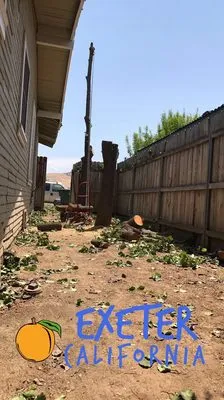
Lopez Landscape & Tree Service is a family-owned business rooted in Fresno, California, founded on a shared passion cultivated while working alongside a father. Since 2010, our focus has been on build...
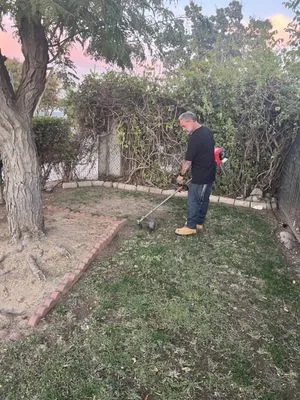
Handymanj559 is your trusted, full-service home solutions provider serving Fresno and the surrounding Central Valley. We specialize in a comprehensive range of handyman, plumbing, and landscaping serv...
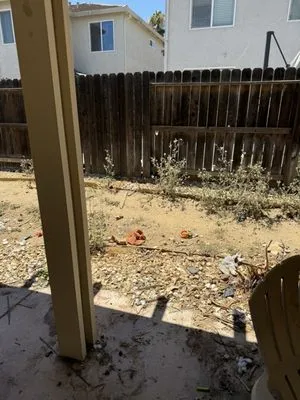
Q&F Junk Removal & Gardening Services is a family-owned business serving Ceres, CA, with over 20 years of experience in junk removal and lawn care. Starting as a weekend gardening venture, we've grown...

Eddies Lawn Maintenance is your local Fresno expert for a healthy, resilient lawn. We understand the specific challenges of Central Valley landscaping, including tree root damage that can smother gras...
Estimated Landscaping Service Costs in Le Grand, CA
Frequently Asked Questions
If a storm knocks down a tree branch, how fast can you get here for an emergency cleanup?
For urgent HOA compliance or safety issues, our electric fleet can dispatch from near Le Grand High School. The route via CA-99 allows a peak storm response time of 25-35 minutes. We coordinate with local arborists to secure the site quickly and begin debris processing, adhering to daytime noise ordinance restrictions for chipping operations.
I'm tired of weekly mowing and gas blowers. Is there a quieter, lower-maintenance alternative?
Transitioning to a climate-adaptive landscape with natives like Deergrass, Western Redbud, and California Poppy drastically reduces maintenance. These plants require no mowing, minimal water once established, and thrive in Zone 9b. This shift aligns with evolving noise ordinances that restrict gas-powered equipment and supports 2026 biodiversity goals by providing habitat for local pollinators and wildlife.
Why is our soil so hard and why do some yards flood while others are bone dry?
Le Grand Residential District lots, developed around 1978, have nearly 50 years of soil compaction from construction and maintenance. This age has led to alkaline sandy loam with low organic matter, which reduces permeability. The compacted layers prevent water infiltration, explaining the low-lying flood risk in some areas. Core aeration and adding composted organic matter are critical first steps to rebuild soil structure and improve water movement.
Should I use wood or stone for a new patio, considering fire risk and longevity?
In a Moderate Fire Wise rated zone, non-combustible materials are recommended for defensible space. Decomposed granite and concrete pavers offer superior longevity over wood, which decays and requires chemical treatment. These inorganic materials also mitigate heat island effect, do not off-gas, and provide a stable, permeable surface that aligns with both fire safety and sustainable landscape infrastructure principles.
My yard holds water after every rain. What's a permanent solution that won't look ugly?
Slow permeability in alkaline sandy loam is a common Le Grand issue. A graded French drain system tied to a dry well is the standard engineering solution. For surface treatment, replacing solid concrete with permeable decomposed granite or pavers increases infiltration. These materials meet Merced County runoff standards by managing water on-site, reducing the burden on community drainage during peak storms.
What are the biggest weed threats here, and how do I deal with them safely?
In our area, invasive species like Yellow Starthistle and Field Bindweed are primary alerts. Manual removal before seed set is most effective. For persistent issues, targeted, EPA-registered herbicides should be applied by a licensed professional during optimal growth periods, strictly avoiding blackout dates set by the Regional Water Quality Control Board to protect groundwater from nutrient and chemical runoff.
Do I need a permit to regrade my backyard, and what kind of contractor should I hire?
Yes. Any significant grading or earthmoving on a 0.22-acre lot typically requires a permit from the Merced County Community and Economic Development Department to ensure proper drainage and erosion control. You must hire a contractor holding a C-27 Landscaping license or a C-12 Earthwork license from the CSLB. This licensing ensures they carry the required bond and insurance, protecting you from liability for improper work that could affect neighboring properties.
How can I keep my Tall Fescue green during Stage 2 water restrictions without wasting water?
Smart Wi-Fi ET-based controllers are essential. They adjust irrigation schedules daily based on real-time evapotranspiration data from local weather stations. This technology applies water only when and where the turf needs it, preventing runoff on slow-permeability soils. Properly calibrated, these systems can maintain turf health while reducing water use by 20-30%, well within voluntary conservation targets.
