Top Landscaping Services in Lathrop, CA, 95206 | Compare & Call
There are 229 landscaping companies server in Lathrop CA
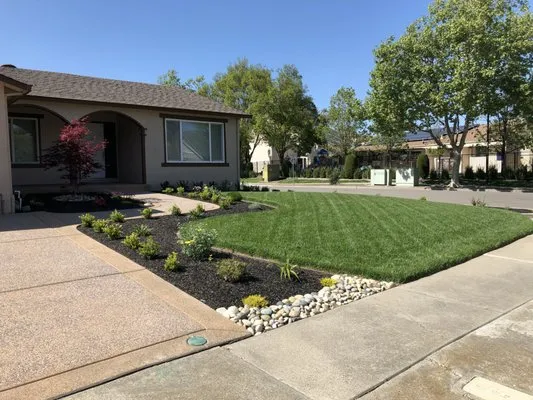
Villanueva Landscaping has been a trusted part of the Tracy community for over two decades, born from a family tradition of transforming outdoor spaces. Inspired by his father's dedication, the owner ...
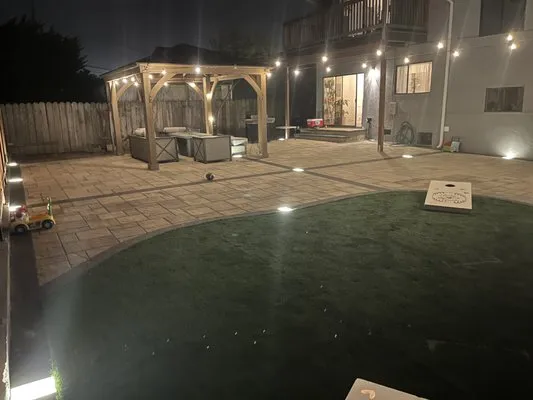
Westcoast Hardscape is a locally-owned hardscape contracting business in Antioch, CA, established in 2017. We specialize in creating custom outdoor spaces, including kitchens, patios, and fire pits, w...
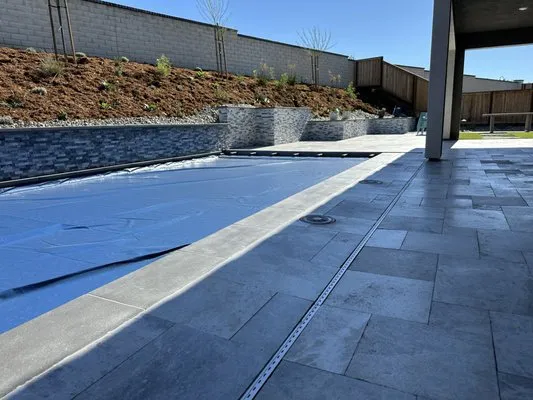
Nunez Landscape Services is a family-owned, licensed, and insured landscaping contractor proudly serving Manteca, CA, and the surrounding Bay Area since 2003. Founded by Rafael Nunez Jr., whose passio...
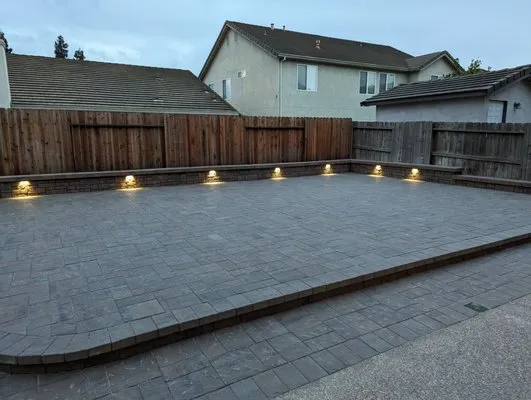
Choice One Landscape is a Modesto-based landscaping company founded in 2001 by Greg Smith, a hands-on owner with over 36 years of local experience. Starting from gardening roots, the company has grown...
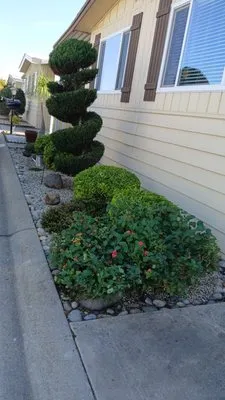
PJ Gardening Service is a Stockton-based landscaping business owned and operated by Pedro Jeronimo Calmo. With over a decade of experience serving the local community since 2013, Pedro brings both pas...
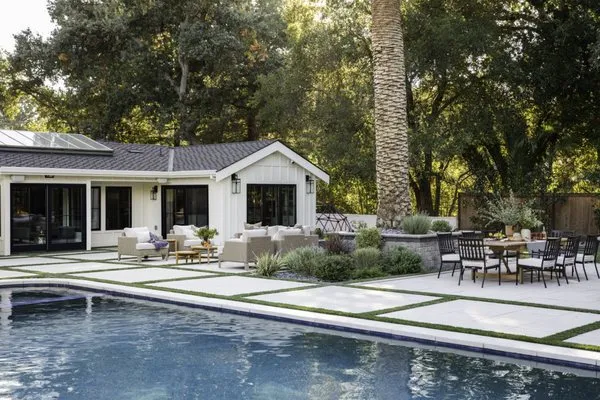
System Pavers
System Pavers is your local Stockton partner for transforming outdoor spaces with durable, low-maintenance solutions. With over 30 years of industry experience, we specialize in creating custom hardsc...
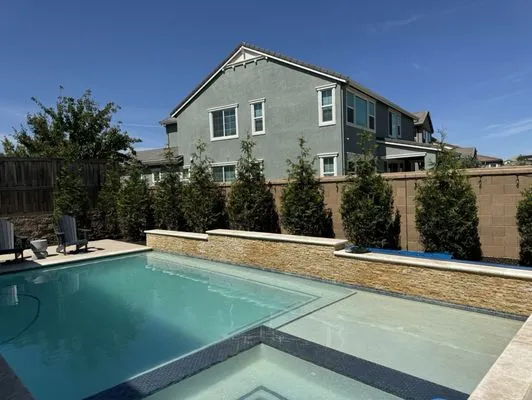
Garcia’s Gardening Service is a licensed, locally-owned business dedicated to serving the Manteca-Lathrop area. We specialize in comprehensive lawn and garden care, including regular lawn maintenance,...
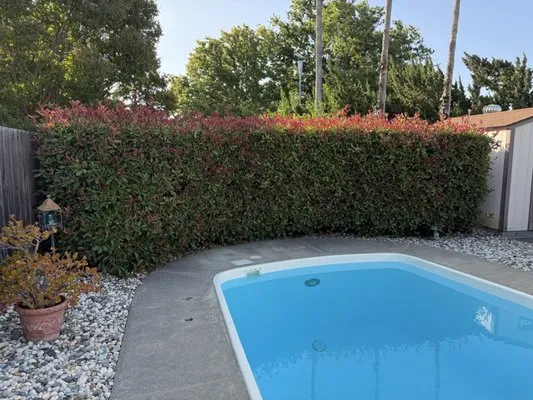
LS Landscaping & Tree Care is a trusted, licensed service provider serving Stockton and Northern California. We specialize in comprehensive yard care, from routine lawn maintenance and tree trimming t...
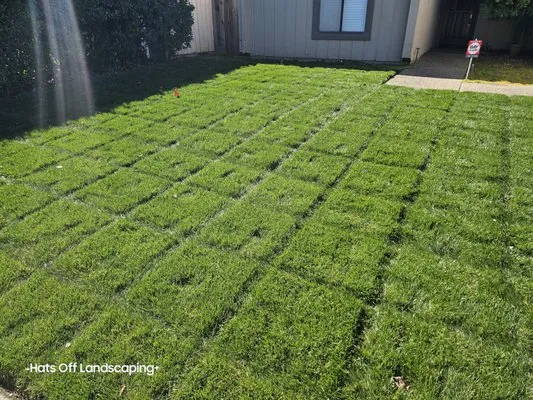
Hats Off Landscaping+ is a locally-owned and operated business serving Stockton and the surrounding communities since 2015. Founded by Frank Hernandez, the company is built on a commitment to continuo...
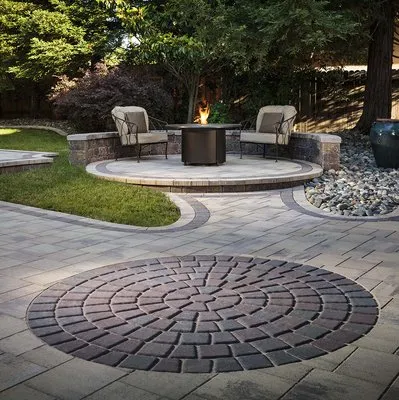
The Paver Company
The Paver Company is a family-owned and operated landscaping business based in Modesto, CA, with over 30 years of experience serving the Greater Sacramento area. As a locally owned, licensed, and cert...
Estimated Landscaping Service Costs in Lathrop, CA
Q&A
We've noticed invasive plants spreading in our neighborhood. How should we address them without violating water quality regulations?
Common invasive species in Lathrop include Yellow Starthistle and Medusahead, which compete with native vegetation and increase fire risk. Treatment requires careful timing to avoid Regional Water Quality Control Board stormwater permit violations, particularly during rainy periods when herbicide runoff could occur. Mechanical removal before seed set combined with targeted spot treatments using EPA-approved herbicides minimizes environmental impact. Always check for blackout dates in the stormwater permit before applying any treatments, and consider soil solarization during summer months as a chemical-free alternative for small infestations. Replanting with native species prevents reinvasion.
We're tired of weekly mowing and gas equipment noise. What native alternatives could reduce maintenance while supporting local ecology?
Transitioning from high-maintenance Tall Fescue to California native plants like Deergrass, Narrowleaf Milkweed, and Western Redbud significantly reduces water requirements and eliminates weekly mowing. These species are adapted to Lathrop's climate and Capay Clay soil, requiring minimal irrigation once established. Native plantings support pollinators and local biodiversity while creating a fire-resilient landscape appropriate for Moderate Wildland-Urban Interface zones. The shift to electric maintenance equipment aligns with noise ordinance restrictions and reduces carbon emissions, with California Poppy ground covers providing seasonal color without the maintenance demands of traditional turf.
Our yard has standing water after rains, and we've heard about clay soil drainage issues. What solutions work with Lathrop's regulations?
Capay Clay's low permeability creates high runoff conditions common in River Islands, where heavy compaction exacerbates drainage problems. Permeable interlocking concrete pavers provide an effective solution by allowing water infiltration at rates up to 8 inches per hour, meeting City of Lathrop Community Development Department stormwater standards. These pavers create a stable surface while reducing runoff volume by 50-70% compared to impervious materials. Installation should include a gravel base layer and geotextile fabric to prevent soil migration, with proper grading to direct excess water away from structures toward designated drainage areas.
We have an HOA compliance deadline tomorrow for overgrown vegetation. How quickly can you respond to an emergency cleanup?
Emergency cleanup dispatch from the Lathrop Generations Center via I-5 typically requires 20-30 minutes during peak conditions, accounting for traffic variables and equipment loading. Our transition to low-decibel electric equipment allows operation within the 7 AM to 7 PM noise ordinance window without disruption. We prioritize HOA compliance situations with same-day assessment, focusing on vegetation management that meets community standards while maintaining ecological balance. The route optimization considers both accessibility and minimizing neighborhood disturbance during service hours.
We're considering a patio expansion but worry about fire safety and longevity. How do permeable pavers compare to wood in our area?
Permeable interlocking concrete pavers offer superior longevity and fire resistance compared to wood decking in Lathrop's Moderate fire risk zone. With a lifespan exceeding 25 years versus wood's 10-15 years with maintenance, pavers require no sealing, staining, or replacement of rotting components. Their non-combustible nature contributes to defensible space requirements, while the permeability reduces runoff that could transport embers during fire events. The interlocking design allows for thermal expansion in Zone 9b temperatures without warping or cracking, and the material's thermal mass helps moderate microclimate temperatures around your home.
With Stage 1 water restrictions in place, how can we maintain our Tall Fescue turf without exceeding municipal limits?
Smart Wi-Fi ET-based weather sensing controllers optimize irrigation by calculating evapotranspiration rates specific to Lathrop's microclimate. These systems adjust watering schedules daily based on temperature, humidity, wind, and solar radiation data, typically reducing water use by 20-30% compared to traditional timers. For Tall Fescue in USDA Zone 9b, this technology maintains soil moisture at optimal levels while staying within voluntary conservation guidelines. The controllers can be programmed with multiple zones to account for sun exposure variations across your 0.15-acre property, ensuring efficient water distribution without runoff.
Our River Islands neighborhood was built around 2003, and the soil seems hard and compacted. Why does this happen with newer construction?
Construction in 2003 means your soil profile is approximately 23 years old, which is relatively immature for establishing healthy root systems. River Islands lots typically sit on Capay Clay soil with pH 7.5-8.2, which naturally compacts under heavy equipment during development. This alkaline clay has low permeability and restricts oxygen exchange, creating a dense layer that inhibits water infiltration and root penetration. Core aeration combined with organic amendments like composted green waste can improve soil structure, increase microbial activity, and enhance water retention without altering pH significantly.
We want to regrade our backyard for better drainage. What permits and contractor qualifications are required for this work?
Grading work on a 0.15-acre lot in Lathrop requires a permit from the City of Lathrop Community Development Department, with plans demonstrating compliance with stormwater management standards. Contractors must hold a California Contractors State License Board (CSLB) license with appropriate classification for earthwork and landscaping. The CSLB requires proof of experience, bonding, and workers' compensation insurance. For projects involving significant soil movement or alteration of drainage patterns, additional engineering review may be necessary. Always verify current license status through the CSLB website before hiring, as unlicensed work voids insurance coverage and may result in code violations requiring costly remediation.
